Bad Breath Causes and Treatment
Persistent bad breath — known clinically as halitosis — is rarely just a hygiene problem. Understanding the underlying cause is the first step toward lasting relief.
Why Does Bad Breath Persist After Brushing?
Brushing removes plaque from tooth surfaces, but it does not reach the spaces between teeth, the gum pockets, or the back of the tongue — the areas where odour-causing bacteria most often accumulate. When bad breath continues despite regular brushing, it typically points to one of three things: a dental condition that needs professional attention, a systemic factor affecting saliva or metabolism, or a hygiene gap that brushing alone cannot address.
The distinction matters because each cause has a different solution. Identifying which category applies reduces guesswork and allows targeted treatment.
Dental Causes You Can Address at the Dentist
Most chronic bad breath originates in the mouth — and most oral causes respond well to professional dental care.
Gum Disease and Periodontal Bacteria
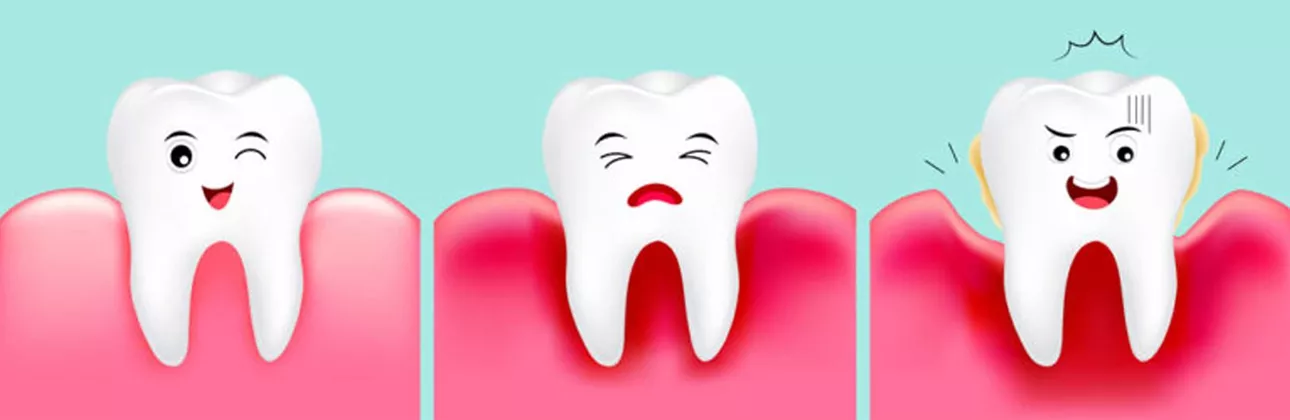
Gum disease is among the most common dental causes of persistent halitosis. Bacteria accumulating below the gumline produce volatile sulphur compounds that brushing cannot remove. Gum inflammation, bleeding on brushing, and a persistent unpleasant taste alongside bad breath are signs worth discussing with a dentist. Early-stage gum disease and bad breath Istanbul can often be addressed with professional cleaning and improved home hygiene.
Tooth Decay and Infected Areas
Active cavities and infected teeth create pockets where bacteria thrive. The decay process itself generates odour-causing byproducts. A tooth that has been sensitive, painful, or visibly damaged may be contributing to bad breath without other obvious symptoms.
Poorly Cleaned Dental Appliances
Retainers, mouthguards, partial dentures, and implant-supported crowns all trap food debris and bacteria if not cleaned thoroughly. Odour from these appliances is often mistaken for a systemic problem when improved cleaning or a professional assessment resolves it quickly.
Lifestyle and Systemic Factors
Dry Mouth and Reduced Saliva
Saliva continuously cleanses the mouth, neutralises acids, and limits bacterial growth. When saliva flow decreases — due to certain medications, habitual mouth breathing, dehydration, or sleeping with the mouth open — bacteria multiply more freely and morning breath worsens. Staying well hydrated and breathing through the nose when possible supports saliva production throughout the day.
Diet, Tobacco, and Tongue Bacteria
Strong-smelling foods such as garlic and onions release sulphur compounds that enter the bloodstream and are exhaled via the lungs — brushing does not eliminate this until the food is fully metabolised. Tobacco use dries out oral tissue, reduces circulation to the gums, and introduces compounds that persist in breath.
The tongue surface, particularly the back third, traps dead cells, food particles, and bacteria in a biofilm that brushing the teeth does not disturb. Dedicated tongue cleaning once daily removes this layer and typically produces a noticeable improvement in breath freshness.
Medical Conditions Linked to Persistent Odour
Acid reflux, sinusitis with post-nasal drip, uncontrolled diabetes, and — less commonly — liver or kidney conditions can each produce distinctive breath odours. When bad breath causes and treatment approaches have been explored thoroughly from a dental perspective and the problem continues, a general practitioner review is the appropriate next step.
How to Get Rid of Bad Breath
Questions about how to get rid of bad breath are most usefully answered by first identifying its source. Most patients benefit from a combination of improved daily hygiene and at least one professional assessment before pursuing other bad breath remedies or over-the-counter solutions. Effective bad breath management and halitosis treatment typically combine daily home care with periodic professional care:
- Brush twice daily with fluoride toothpaste, paying attention to the gumline and rear molars where debris accumulates most.
- Floss once daily to remove food and plaque from contact points — the areas most likely to harbour odour-causing bacteria. Technique matters; see our guide on proper flossing technique.
- Clean the tongue each morning with a dedicated scraper or the brush itself, focusing on the back half of the surface.
- Use a water flosser if standard flossing is difficult around restorations or implants — a water flosser for fresh breath reaches areas string floss often misses.
- Stay hydrated throughout the day; plain water is more effective at rinsing the mouth than most commercial rinses.
- Schedule professional cleaning Istanbul at least twice yearly. Calculus deposits and subgingival bacteria cannot be removed at home; professional cleaning addresses the most common sustained cause of halitosis.
- Address the underlying dental cause. Antibacterial rinses reduce odour temporarily, but they do not treat gum disease, active decay, or poor appliance hygiene.
Patients with dental implants and oral hygiene Istanbul concerns should note that the same principles apply — implant sites require equally thorough interdental and tongue hygiene to remain odour-free.
When to See a Dentist About Bad Breath
Not all bad breath requires urgent intervention, but certain patterns are worth investigating without delay.
- Persistent bad breath despite improved hygiene — if sustained flossing, tongue cleaning, and hydration changes over two to four weeks produce no improvement, a dental assessment is warranted.
- Bleeding gums or gum tenderness — these typically indicate active gum disease, which requires professional treatment rather than further home-care adjustments.
- A persistent unpleasant taste unrelated to food or drink is often a sign of infection or active decay.
- Bad breath alongside dry mouth medication — some prescribed medications significantly reduce salivary flow; a dentist or prescribing doctor can advise on management.
A dental consultation in Istanbul for bad breath dental treatment Istanbul can establish whether the source is dental, systemic, or a combination. For patients with complex or recurring presentations, identifying the contributing factors is more productive than treating symptoms in isolation.
Frequently Asked Questions
Can bad breath come from the stomach?
Most bad breath originates in the mouth rather than the digestive system. Conditions such as acid reflux can contribute a distinctive sour odour, but sustained halitosis in the absence of any oral cause is relatively uncommon. In most cases, a thorough dental assessment resolves the cause before systemic investigation becomes necessary.
What causes morning breath?
Saliva flow decreases significantly during sleep, allowing bacteria to multiply undisturbed. Overnight accumulation of volatile compounds on the tongue and between teeth produces the characteristic odour. Tongue cleaning and brushing immediately after waking typically resolve morning breath; persistent morning halitosis that continues through the day is more likely to have an underlying dental cause.
Does dry mouth cause bad breath?
Yes. Saliva is the mouth's natural self-cleaning mechanism. When flow is reduced — through medication, dehydration, mouth breathing, or medical conditions — bacterial populations increase and breath quality worsens. Identifying and managing the cause of dry mouth is usually more effective than treating the odour directly.
Are breath sprays effective for halitosis?
Breath sprays provide temporary odour masking and can be convenient between meals or brushing. They do not address bacterial growth, gum disease, decay, or any other underlying cause. Used alongside thorough daily hygiene and regular professional care, they are a reasonable short-term aid; used instead of these, they are not effective.
Is chronic bad breath a sign of a serious health condition?
Chronic halitosis is most commonly dental in origin. In a smaller proportion of cases it reflects a systemic condition — diabetes, sinusitis, reflux, or, rarely, liver and kidney conditions. Persistent bad breath that does not respond to improved oral hygiene is worth investigating professionally, both to identify the cause and to rule out anything that requires broader medical attention.
How does professional teeth cleaning help with bad breath?
Professional cleaning removes calculus (hardened plaque) from above and below the gumline — deposits that cannot be removed by brushing or flossing at home. It also disrupts bacterial colonies in periodontal pockets and allows the dentist to identify any active decay or gum disease that may be contributing to the odour.
How do I know if my bad breath is dental or systemic?
A systematic dental assessment — examining the gums, teeth, tongue, and any appliances — is the most reliable way to distinguish dental from non-dental causes. If no dental source is identified after thorough examination and professional cleaning, further investigation by a general practitioner is the appropriate next step.