Implant Aftercare
Implant Swelling, Bleeding & Bruising After Surgery
Some degree of swelling after dental implant surgery, along with bruising and minor bleeding, is a normal part of healing. Understanding what to expect — and when a symptom requires attention — helps you recover with confidence.
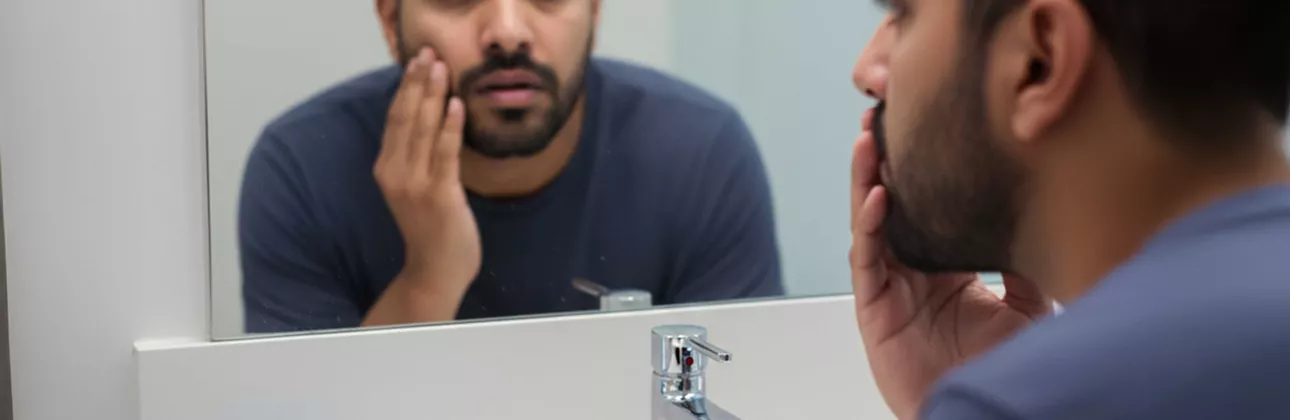
Post-Surgical Response
Is Swelling Normal After Dental Implant Surgery?
Yes. Swelling is one of the most common responses to implant surgery, and it is expected. During placement, the gum tissue and surrounding bone are accessed surgically, which causes localised tissue trauma. The body responds by directing fluid to the area — a process that produces the swelling and warmth you may notice in the first few days.
Bruising develops when small blood vessels beneath the skin surface are disrupted during the procedure. It is more common after lower jaw implants, multiple implant placements, or more involved procedures such as sinus lifts or bone grafting. Swelling and bruising together, without fever or spreading pain, are typically signs that healing is progressing as expected.
If you have had a dental implant specialist Istanbul assess and plan your case carefully, the surgical approach will already have been calibrated to minimise tissue disruption — but some post-operative response is normal regardless.
Recovery Timeline
When Does Swelling Peak — and How Long Does It Last?
Swelling after dental implant surgery typically becomes noticeable within six to twelve hours and reaches its peak at around 48 hours. Morning swelling may appear more pronounced because fluid pools while you are lying down overnight. From the third day onward, most patients begin to notice a steady reduction.
Implant swelling duration is typically three to five days for straightforward single implant placements. More complex procedures involving bone grafts, multiple implants, or sinus augmentation may extend mild swelling to seven to ten days. Swelling that is still increasing after seven days, or that is accompanied by fever, should be assessed by your dentist.
The duration also varies with individual factors: age, general health, systemic conditions such as diabetes, and whether blood-thinning medications are being taken can all influence how quickly the tissue settles.
Aftercare
How to Reduce Swelling After Implant Surgery
The first 48 hours are the most important window for managing swelling effectively.
-
Cold compress application Apply a cold pack — wrapped in a thin cloth — to the outer cheek for 15 to 20 minutes, then rest the area for the same amount of time. Repeat several times daily. Avoid direct ice-to-skin contact and overnight use. After 48 hours, switch to a warm compress to improve circulation.
-
Head position Keep your head elevated — above heart level — while resting and sleeping for the first two days. An extra pillow is a simple and effective step.
-
Avoid heat and exertion Hot food and drinks, hot showers, saunas, and physical exertion all increase blood flow to the area and can worsen swelling. Avoid these for the first few days.
-
Anti-inflammatory medication If prescribed, take as directed. It reduces both swelling and associated pain. Do not adjust the dose without consulting your dentist.
-
Diet and hydration Choose soft, cool, non-salty foods and stay well hydrated. Avoid alcohol and smoking — both impair healing and can prolong swelling. If you smoke, see our guide on smoking and implant healing. For the full post-operative routine, our rest and recovery after implant guide covers everything in one place.
Bruising
Bruising After Dental Implants: What to Expect
Bruising after implant surgery typically appears on the second or third day — not immediately — and will change colour as it heals. The progression is predictable.
Bruising generally resolves within seven to ten days. After the first 48 hours, gentle warmth and careful massage over the area may help the process along. Bruising is more pronounced in some patients due to skin type, tissue structure, or medication — this does not reflect a problem with the implant itself.
Bleeding
Bleeding After Implant Surgery: Normal vs. Abnormal
Some light bleeding or pink-tinged saliva in the first 24 hours is expected. The surgical site forms a blood clot that plays an active role in healing; this is why certain activities — spitting forcefully, drinking through a straw, or rinsing vigorously — should be avoided in the first day.
To manage minor bleeding after implant surgery, bite firmly on clean gauze for 20 to 30 minutes while seated upright. Avoid lying flat. Cool, soft foods rather than hot meals help keep vessels settled.
If bleeding does not slow after several gauze applications, contact your dental team. Persistent bleeding may have an underlying cause — including blood-thinning medication, elevated blood pressure, or a disturbed suture — that requires clinical assessment, not home management alone.
When to Seek Help
Warning Signs: When to Contact Your Dentist
Most swelling, bruising, and minor bleeding resolve without any intervention. The following signs, however, warrant prompt contact with your dental team:
- Swelling that continues to increase after seven days rather than declining
- Fever, chills, or the appearance of pus near the implant site
- Bruising that spreads beyond the jaw and cheek area, or persists beyond ten days
- Active bleeding that continues beyond 24 hours despite gauze pressure
- Swelling that extends toward the eye, ear, or neck
These may be signs of infection or another complication that should be assessed early. For a full guide on when swelling is a warning sign after implant surgery, our problems after implant page covers the distinction between normal post-surgical response and complications. For pain-related concerns, see our implant pain guide.
Common Questions