Gum Recession After Dental Implant
Noticing that the gum tissue around your implant is pulling back? Gum recession after dental implant treatment is a recognised complication that can affect both the appearance and long-term stability of your restoration. Understanding the signs, causes and treatment options for gum recession after dental implant care is the first step toward protecting your implant.
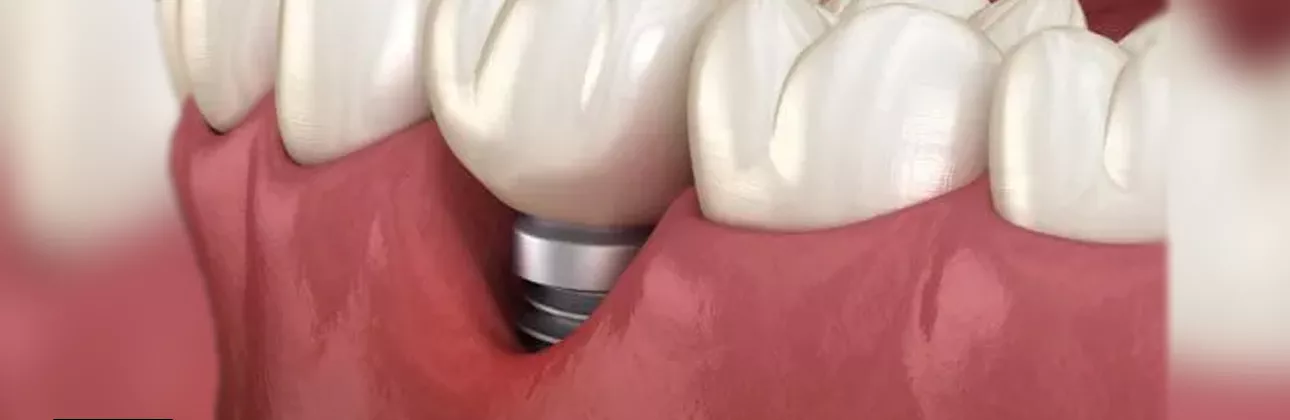
Signs of Implant Gum Recession
Knowing when to seek professional advice matters. The signs below may indicate that gum recession after dental implant surgery is developing around your restoration:
-
Visible implant components If the titanium post or abutment margin becomes visible above the gumline, gum tissue has likely receded. This affects aesthetics and increases the risk of bacterial entry at the implant site.
-
A dark or grey shadow near the base A greyish ring around the implant base can signal thinning or recession of the soft tissue layer overlying the implant.
-
Uneven gumline compared with adjacent teeth The implant site may appear longer than neighbouring teeth, creating a noticeable imbalance in the smile.
-
Sensitivity during eating or brushing Exposed implant components or nearby tissues may respond to hot, cold or contact pressure, signalling underlying changes in the peri-implant tissue.
-
Redness, swelling or persistent bleeding Inflamed or bleeding gum tissue around an implant is a sign of active irritation or infection that requires professional assessment without delay.
-
Persistent unpleasant taste or odour Bacteria accumulating in receded tissue can produce bad breath or a metallic taste that does not resolve with routine cleaning.
If you are experiencing one or more of these signs, your dentist should assess the area promptly. Early evaluation opens more conservative treatment options and reduces the risk of further tissue loss.
Why Do Gums Recede Around an Implant?
Gum recession after dental implant placement typically develops when the surrounding bone or soft tissue is unable to maintain adequate coverage. Several factors contribute to gum recession treatment Istanbul referrals from implant patients:
-
Insufficient bone volume at placement Without adequate bone support beneath the gum, soft tissue loses its structural foundation and gradually retreats over time.
-
Surgical trauma during placement Excessive force or anatomical challenges during surgery can disrupt the healing environment and lead to tissue loss in the months following treatment.
-
Peri-implant infection Bacterial infection around the implant — known as peri-implantitis — causes inflammation, progressive bone loss and gum recession around implant margins. Poor oral hygiene is the most common contributing factor.
-
Incorrect implant positioning Misalignment of the implant body can place uneven stress on surrounding structures, eventually causing tissue breakdown and recession.
-
Thin or insufficient soft tissue Patients with a thin gum biotype are more susceptible, as there is less tissue available to maintain consistent coverage over time.
-
Overloading or prosthetic design issues A poorly designed crown or one generating excessive bite force can disrupt peri-implant tissue balance and accelerate recession.
-
Smoking Smoking impairs blood supply and healing, significantly increasing the risk of gum recession after dental implant treatment in patients who smoke.
For a broader overview of complications that can develop after implant surgery, our implant aftercare guide covers the full range of issues to monitor.
Early Intervention: Can the Implant Be Saved?
Not every case of peri-implant gum recession leads to implant failure — but ignoring the signs increases that risk considerably. When gum recession after dental implant surgery is assessed early, several interventions can stabilise or correct the situation:
If recession has advanced to the point where significant bone loss has occurred, implant removal and replacement planning may need to be considered. The sooner gum recession after dental implant complications are identified, the wider the range of options available. Our team at implant dentistry Istanbul assesses each case individually before any treatment decision is made.
What to Expect at Your Consultation
When patients present with implant gum problems at our Istanbul clinic, a structured evaluation is carried out before any treatment recommendation is made. This typically includes:
- Clinical examination of the gum tissue and implant margins
- Periodontal probing around the implant site to assess pocket depth and tissue health
- Radiographic imaging to evaluate bone levels around the implant
- Discussion of contributing factors specific to your case and medical history
Following assessment, a written treatment plan is prepared and reviewed with you before any procedure begins. If you are travelling to Istanbul for evaluation, the team can coordinate the assessment and, where clinically appropriate, initial treatment within a structured appointment schedule.
To arrange a consultation for gum recession after dental implant concerns, our contact page provides all available options including WhatsApp, phone and email.
Frequently Asked Questions
Can I still get an implant if I have a history of gum recession?
Yes, but a careful assessment is required. Patients with a history of gum recession or periodontal disease may need soft tissue grafting or bone augmentation before implant placement. Gum biotype and bone quality are evaluated as part of the planning process. Many patients with prior gum problems have successfully received implants with appropriate preparation. Long-term success depends on structured aftercare and consistent oral hygiene maintenance.
Can implant gum recession be reversed without surgery?
In mild cases, stabilising the tissue through reinforced oral hygiene and infection control may be achievable without surgery. Professional cleaning and antimicrobial care can halt early progression of gum recession after dental implant surgery. However, once tissue has receded significantly, it cannot regenerate naturally, and surgical options such as gum grafting may become necessary. Early consultation gives you the best chance of avoiding more invasive procedures.
How common is gum recession after dental implants?
Gum recession after dental implant placement is a recognised but not inevitable complication. Risk increases with factors such as thin gum biotype, smoking, inadequate bone volume, or an over-contoured crown. Even in well-executed cases, peri-implant gum recession can develop over time without consistent home care and regular follow-ups. Choosing an experienced implant team and following a structured aftercare plan are the most reliable preventive measures.
Is gum recession around an implant painful?
Recession around an implant is not always painful, but sensitivity to temperature, touch or pressure can develop as gum tissue pulls back. Exposed implant components may also cause local irritation. If infection develops alongside the recession, discomfort and swelling may follow. Addressing early signs typically prevents more uncomfortable outcomes down the line.
What happens if I ignore gum recession around my implant?
Without treatment, gum pulling away from implant surfaces progresses. Exposed implant surfaces attract bacterial colonisation, which can escalate to peri-implantitis and significant bone loss. Over time, this can compromise implant stability entirely. The longer gum recession after dental implant complications are left without evaluation, the more complex and extensive the treatment needed to address them.