Dental Implant After Chemotherapy — What You Need to Know
Many patients who have completed cancer treatment do successfully receive dental implants. Whether a dental implant after chemotherapy is the right path for you depends on a carefully structured evaluation — not on the diagnosis alone.
Can You Get a Dental Implant After Chemotherapy?
Many patients who have completed cancer treatment do successfully receive dental implants. Whether a dental implant after chemotherapy is the right path for you depends on a carefully structured evaluation — not on the cancer diagnosis alone. Factors including immune recovery, bone density, and current blood values all determine timing and suitability. At Citydent Istanbul, we assess each case individually, in coordination with your oncologist when needed.
Chemotherapy affects the body in ways that are directly relevant to implant surgery. It can temporarily suppress immune function, reduce bone density in some patients, and slow soft tissue healing. None of these are automatic disqualifiers — but each requires careful review before any surgical step is taken. The goal is to find the right window: when your body is ready, a dental implant after chemotherapy becomes a realistic and achievable option for restoring function and confidence.
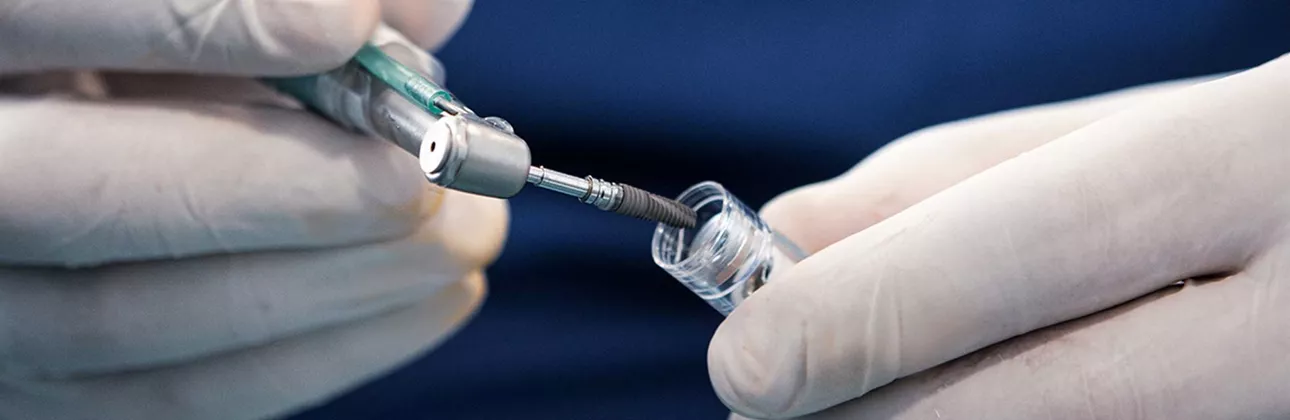
What Your Dentist Evaluates Before Implant Surgery
Before proceeding with a dental implant after chemotherapy, your treating dentist will review several key areas. Immune recovery is the first consideration: most patients are advised to wait at least six to twelve months after completing chemotherapy, allowing white blood cell and platelet counts to normalize. This recovery window helps reduce the risk of post-surgical infection and supports proper healing.
- Immune Recovery White blood cell and platelet counts must normalize before surgery is appropriate. Most patients require six to twelve months of recovery after completing chemotherapy.
- Bone Health Some chemotherapy agents affect bone density. A CBCT scan provides the three-dimensional view needed to assess bone volume at the proposed implant site. Where bone loss has occurred, grafting procedures may be considered.
- Blood Markers White blood cell count and platelet levels must fall within a safe range before surgery proceeds. This is reviewed as a standard step at Citydent Istanbul regardless of cancer history.
- Oncologist Coordination Medical clearance from your oncologist confirms that elective surgical procedures are appropriate at the planned time. We work alongside your medical team throughout this process.
The Treatment Path: From Recovery to Implant Placement
For patients pursuing implant after cancer treatment, the process typically follows a staged approach. Each step is guided by your individual health status and the results of clinical assessment.
- Medical Approval Your oncologist confirms that surgical procedures are appropriate. We recommend obtaining documented medical clearance before any treatment is planned.
- Dental Assessment CBCT imaging, a review of oral hygiene status, and an evaluation of any remaining treatment side effects that could affect healing.
- Temporary Solutions (if needed) If immediate implant placement is not yet appropriate, removable prosthetics can support function and comfort during the recovery period.
- Implant Placement Performed under local anesthesia. Conscious sedation is also available for patients who prefer it.
- Healing Period The healing phase following a dental implant after chemotherapy typically spans three to six months, depending on overall health and bone regeneration progress. Regular check-ups monitor osseointegration.
- Final Crown Once osseointegration is confirmed, the final crown is fitted and adjusted for both function and aesthetics.
Special Considerations: Radiation and Head and Neck Cancer
Patients who received radiation therapy to the head and neck region require additional planning beyond a standard dental implant after chemotherapy assessment. Radiation can reduce blood flow to the jaw — a condition called osteoradionecrosis in its most severe form — which may affect bone healing after surgery.
For these patients, timing is particularly critical, and in some cases additional protocols such as hyperbaric oxygen therapy or a staged treatment approach may be part of the plan. The degree of impact depends on the radiation dose, field, and the specific area treated.
At Citydent Istanbul, treatment for patients with a head or neck radiation history is planned with extended evaluation and, where relevant, in direct consultation with the patient's oncologist or radiation team.
Why Patients Choose Citydent Istanbul After Cancer Treatment
Patients who have completed cancer treatment often approach dental care with a heightened awareness of risk and a clear preference for thorough, transparent communication. Dental implant oncology cases — where implant planning intersects with a cancer treatment history — require coordination that goes beyond routine implant surgery. Decisions around dental implant after chemotherapy are never rushed at Citydent Istanbul: the treatment plan is provided in writing before any procedure begins, and no step is taken until the patient has had the opportunity to review and ask questions.
The clinic is equipped with in-house CBCT imaging and guided implant surgery technology. Implant planning and prosthetic design are coordinated within the same team, which reduces the risk of communication gaps across the treatment process.
For patients travelling from abroad for chemo and dental implants, the clinic's location in Taksim — central Istanbul, directly connected to both Istanbul Airport and Sabiha Gökçen Airport via public transport — makes logistics straightforward. There are no fixed hotel packages; the team provides guidance on accommodation and transport options suited to each patient's itinerary. For patients considering implant after radiation therapy Istanbul or from elsewhere in Turkey, the first step is always a detailed consultation — arranged via WhatsApp, phone, or the online contact form.
A 2023 umbrella review on systemic conditions and dental implant outcomes found that individual pre-surgical evaluation is consistently recommended over blanket protocols for patients with a complex medical history.
Frequently Asked Questions
Does the type of cancer affect implant planning?
Yes. Different cancer types and treatment protocols affect bone health and immune recovery in different ways. Blood cancers and head or neck cancers often require additional precautions or adjusted timing. The implant plan is shaped by the nature and intensity of prior treatment, not by a single protocol applied to all cancer patients.
Is implant failure risk higher after chemotherapy?
There is a modest increase in risk compared to patients without cancer history, primarily due to potential effects on bone density and immune function. With thorough pre-surgical evaluation and appropriate timing, success rates remain high. Each case is assessed on its individual clinical picture.
What if I had head or neck radiation?
This situation requires specialised planning. Radiation to the jaw area can reduce blood supply and affect bone healing. Depending on the dose and field, the treatment approach may involve extended evaluation periods, additional supportive protocols, or a staged implant procedure. This is assessed case by case.
How long should I wait after finishing chemotherapy?
The typical guidance is six to twelve months, though the appropriate interval depends on your oncologist's assessment and your current blood values. There is no universally fixed waiting period — it is determined by your individual recovery status.
Can I start implant planning during chemotherapy?
Planning conversations can begin, but surgical procedures are generally not initiated until treatment is complete and recovery has been confirmed. Blood markers including white blood cell and platelet counts need to return to a safe range before surgery is appropriate.
Does chemotherapy affect my gums too?
Yes. Chemotherapy can contribute to gum inflammation, dryness, and reduced healing capacity. The condition of your gums is examined as part of the pre-implant assessment, and periodontal treatment may be recommended before implant placement if needed.
Can dental CT scans be done after chemotherapy?
Yes. CBCT imaging is safe and is routinely used in implant planning. The radiation dose involved is low and well within accepted clinical standards. It provides essential information about bone volume, density, and relevant anatomy at the intended implant site.
Do patients who had cancer need different types of implants?
Not necessarily in all cases. In some patients, implant surfaces with enhanced osseointegration properties may be considered. Material and design selection depends on the quality and condition of the available bone, and is made after imaging and clinical evaluation.
Can I get a full mouth restoration after chemotherapy?
Full mouth restoration is possible for patients who have completed cancer treatment, subject to health status evaluation. Where multiple implants are involved, treatment is typically staged to manage healing and reduce cumulative surgical load. Learn more about dental implants in Istanbul.
Can I travel for treatment if I am still in recovery?
Travel is not recommended during the active immune suppression period following chemotherapy. Once your oncologist has confirmed that elective procedures are appropriate, planning a visit to Istanbul becomes feasible. We advise completing medical recovery before scheduling international dental travel.
Can I have sedation during the procedure?
Conscious sedation is available and can be arranged for patients who prefer it. Medical clearance from your oncologist or physician is required before sedation is used, confirming that your current health status is suitable. As with all post-operative care, pain management is followed as advised by your treating dentist.
Does chemotherapy affect implant osseointegration specifically?
Research suggests that systemic conditions — including those related to cancer treatment — can influence how implants integrate with bone. This is why a thorough pre-surgical assessment is essential. A 2023 umbrella review examining the relationship between systemic conditions and dental implant outcomes found that individual evaluation is consistently recommended over blanket protocols.