Composite Fillings Istanbul — White Tooth-Coloured Fillings
Composite Fillings Istanbul — white tooth-coloured resin restorations at CityDent — restore decayed, chipped or cracked teeth using resin that blends with your natural shade, typically completed in one visit under local anaesthesia.
Single-surface to multi-surface restorations · Tooth-coloured composite resin · CityDent Istanbul, Taksim–Şişli

What Are Composite (White) Fillings?
A composite filling — also called a white filling or resin filling Istanbul — uses a blend of plastic resin and fine glass particles shaped directly onto the tooth, cured with a focused light and polished to match the surrounding enamel. Because the material bonds to the tooth structure rather than simply filling a cavity, composite restorations in Istanbul can often be completed with less removal of healthy tooth tissue than older metal fillings required.
Composite materials have developed considerably in recent years. Modern formulations offer improved resistance to wear, a stable colour that does not discolour the surrounding tooth and a natural translucency that makes tooth-coloured fillings Turkey patients choose nearly invisible in everyday conversation.
What Do 1-Surface, 2-Surface and 3-Surface Fillings Mean?
The number of surfaces involved describes how much of the tooth the filling needs to cover, affecting both the complexity of the procedure and the time required.
-
1-Surface Filling Addresses a single face of the tooth — typically the chewing surface or a visible front face. The most straightforward restoration, usually completed quickly.
-
2-Surface Filling Covers two adjacent faces — most commonly the chewing surface combined with the side wall. Common in premolars and molars where decay has spread between teeth.
-
3-Surface Filling Restores three faces of the tooth. The dentist builds the filling in carefully placed layers, curing each one before the next, to ensure proper strength and a natural contour.
Understanding which type applies to you helps frame the scope of your treatment at your consultation.
The Composite Filling Procedure at CityDent Istanbul
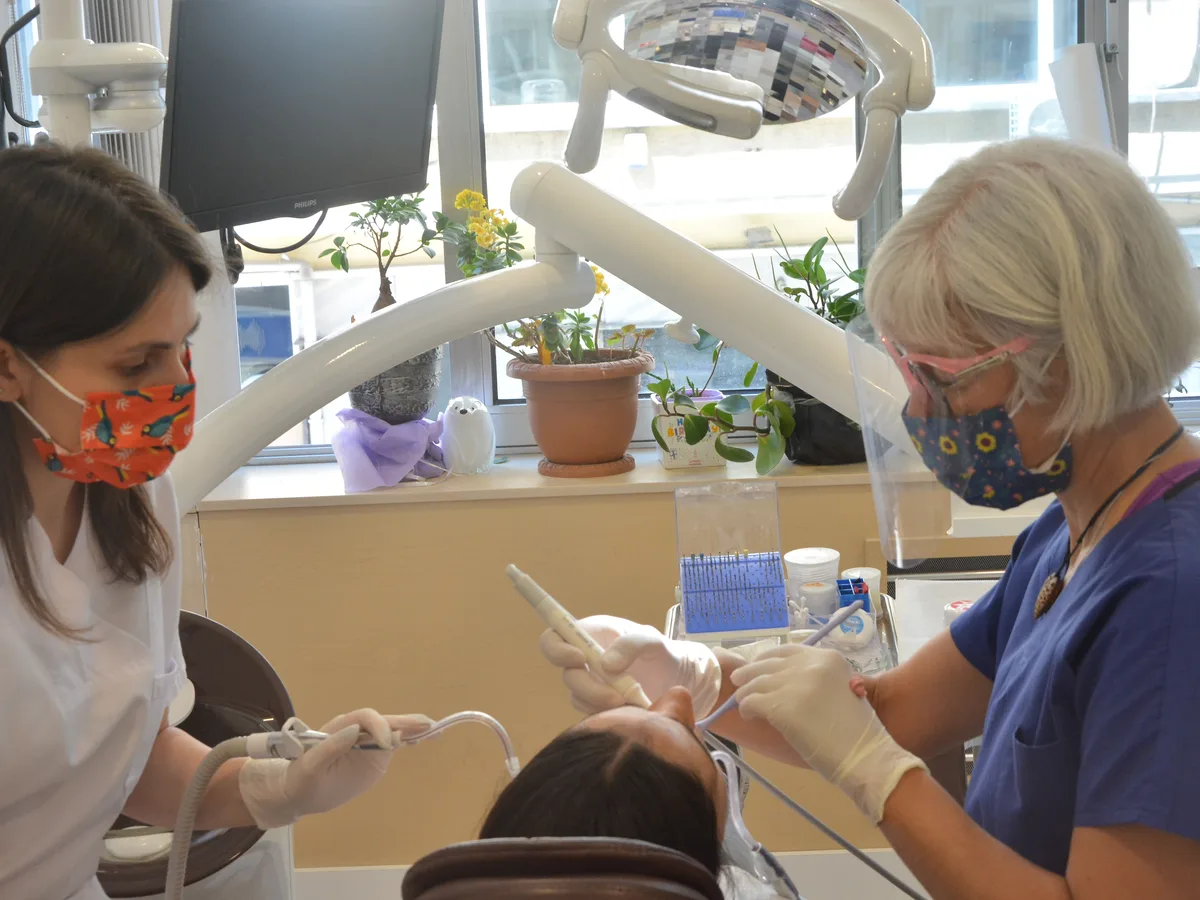
Composite fillings Istanbul patients receive at CityDent are placed under local anaesthesia. The sequence follows a consistent clinical protocol:
- 01 Assessment and shade matchingYour dentist evaluates the tooth, confirms the extent of decay and selects a composite shade that matches your natural enamel. The area is numbed before any preparation begins.
- 02 PreparationThe decayed or damaged portion of the tooth is removed using fine instruments. For an aesthetic filling Istanbul patients often note that only the affected tissue is removed, preserving as much healthy enamel as possible.
- 03 Layering and curingThe composite resin is applied in incremental layers. Each layer is shaped and hardened with a curing light before the next is placed. This incremental technique reduces shrinkage and builds a durable, well-adapted restoration.
- 04 Shaping and polishingOnce the final layer is cured, the dentist shapes the filling to match the natural contours of the tooth and polishes it to a smooth finish. The bite is carefully checked and adjusted.
The entire visit for a composite restoration Istanbul typically takes between 30 and 60 minutes depending on the number of surfaces involved.
How Long Do White Fillings Last?
With good oral hygiene, composite fillings Istanbul — and white fillings Istanbul generally — typically last between five and ten years, though many patients maintain them well beyond that range.
-
Oral hygiene Brushing twice daily and flossing reduces the risk of secondary decay around the filling margin.
-
Chewing forces Fillings in posterior teeth that absorb high bite pressure tend to wear faster than those in less loaded positions.
-
Habits Grinding at night, biting nails or chewing hard objects accelerates wear. If tooth grinding is present, a night guard is usually discussed at your follow-up.
-
Diet Frequent consumption of highly acidic or very sticky foods places additional stress on the composite material.
Signs that a resin filling Istanbul may need attention include visible discolouration at the margin, a rough or changed surface texture, sensitivity to temperature or a sensation that the bite has shifted. Your dentist will check your fillings at routine appointments.
Replacing and Correcting a Dental Filling
Fillings may need replacement when they wear down, develop small cracks, or when new decay forms at the edge of an existing restoration. The process at CityDent Istanbul follows these steps:
- 01 ExaminationThe dentist assesses the existing filling to determine whether repair or full replacement is appropriate.
- 02 RemovalThe worn or failing filling material is carefully removed using fine instruments.
- 03 PreparationThe tooth surface is cleaned, shaped and conditioned to accept the new material.
- 04 New composite applicationThe composite resin is placed in layers, cured and shaped using the same protocol as a new restoration.
- 05 Final adjustmentThe bite is checked and the surface polished.
For patients with older amalgam fillings who wish to change to a tooth-coloured option, replacement with composite is possible. The procedure includes controlled removal of the existing material, thorough cleaning and placement of the new composite filling. Your dentist will discuss the clinical picture at your appointment.
Composite Fillings vs Porcelain Inlays
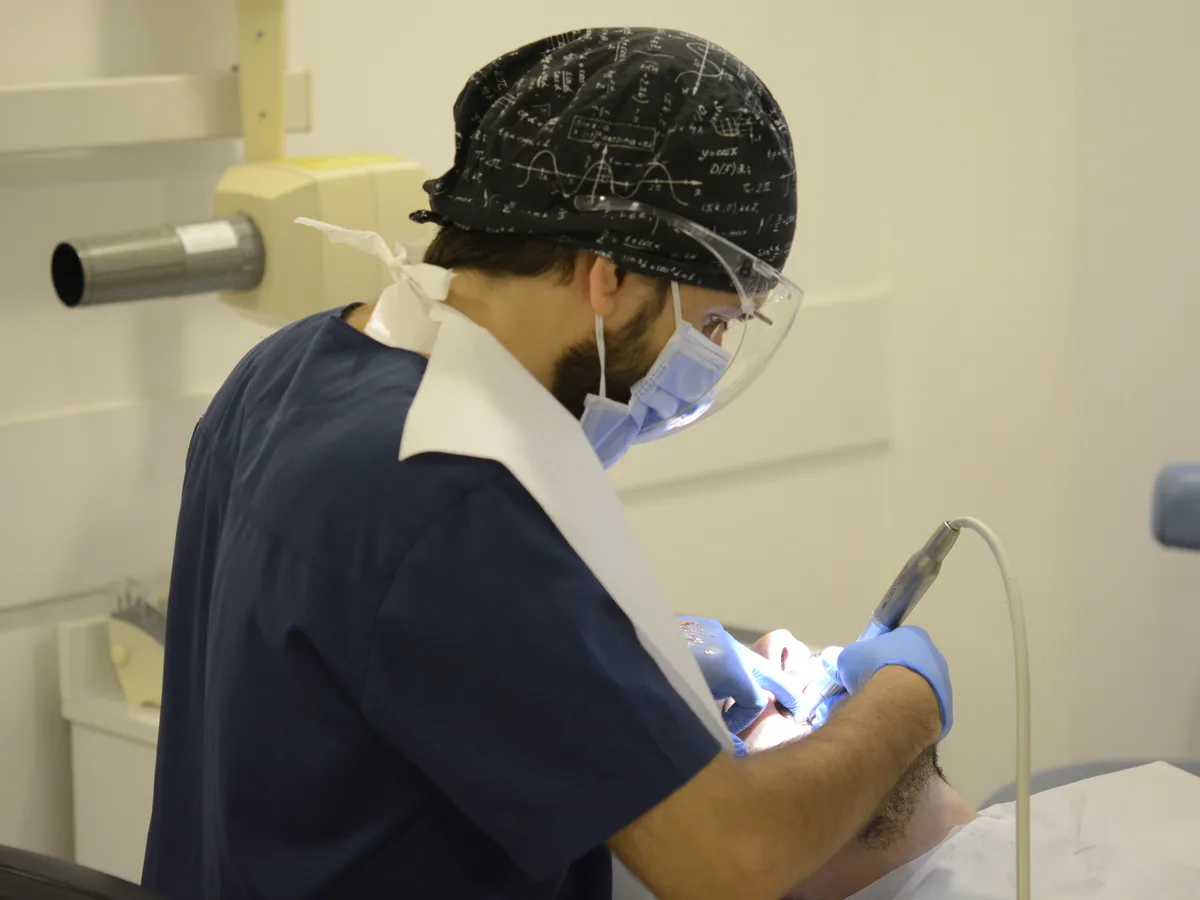
Composite fillings Istanbul are the standard choice for small-to-moderate restorations because they can be placed in a single visit and are straightforward to repair if needed. For larger cavities or teeth that have experienced significant structural loss, indirect restorations such as porcelain inlays and onlays may offer greater long-term durability.
Your dentist will recommend the most appropriate restoration after assessing the size, position and condition of the tooth. Patients who have undergone dental bonding treatment may also find composite fillings a familiar and compatible restoration option — learn more about composite bonding.
Aftercare and What to Expect
Mild temperature sensitivity in the first few days after composite fillings Istanbul are placed is normal and typically settles on its own. During the first 24 hours, avoid chewing hard foods on the treated tooth and limit very sticky or strongly coloured foods that may affect the setting and early bonding of the material.
For longer-term care:
- Brush at least twice daily and floss daily to keep the margins clean
- Attend regular check-ups so your dentist can detect any early wear
- If you grind at night, follow your dentist's guidance on protective wear
- If sensitivity continues beyond a few days or the bite feels uneven, contact the clinic — minor adjustments are a routine part of post-treatment care
For detailed aftercare guidance visit our dedicated page on aftercare after tooth filling. If you notice persistent sensitivity or discomfort when biting, you can also review our guide to problems after tooth filling.

Frequently Asked Questions
Is composite filling treatment painful?
Composite filling treatment is performed under local anaesthesia, so the procedure itself is painless. Some patients experience mild sensitivity to temperature in the days immediately following treatment — this is normal and typically resolves without further intervention. If discomfort continues beyond a few days, consult your dentist.
What does a filling close to the nerve mean?
When decay extends close to the inner pulp of the tooth — the region containing the nerve and blood vessels — the filling material is placed near this sensitive tissue. Your dentist works carefully to avoid disturbing the pulp. Some post-treatment sensitivity is expected in these cases. If pain intensifies or persists, it may indicate that the pulp needs further assessment and a follow-up appointment is advisable. In some situations, root canal treatment may be discussed as a next step.
How is a faulty tooth filling corrected?
A filling that is cracked, poorly fitted or associated with new decay can only be corrected by a dentist. The faulty material is removed, the tooth is cleaned and prepared, and a new filling is placed following the same layered technique. If the original failure was related to a deep cavity or bite pressure, your dentist may discuss alternative restoration options at that point.
How often should a tooth filling be replaced?
Composite fillings typically require replacement after five to ten years, depending on oral hygiene, location, diet and the presence of grinding habits. Your dentist monitors filling condition at routine check-ups and will advise replacement when wear, fracture or new decay is detected — not on a fixed timetable.
Are composite fillings suitable for back teeth?
Composite resin is used routinely in both front and back teeth. For smaller restorations in molar and premolar regions, composite fillings perform well under typical chewing forces. For larger restorations in heavily loaded areas, your dentist may discuss whether composite or an indirect restoration such as a porcelain inlay offers better long-term durability for your specific situation.