  1. Home
  2. Cosmetic Dental Treatments
  3. Porcelain Fused to Metal Crown
PFM CROWN · CITYDENT ISTANBUL

Porcelain Fused to Metal Crown Istanbul

A metal-supported porcelain crown designed for strength — the established choice for posterior teeth, heavily restored molars, and patients seeking a reliable, cost-effective crown solution in Istanbul. Our team will help you decide whether a PFM dental crown or a newer zirconia restoration better fits your case.
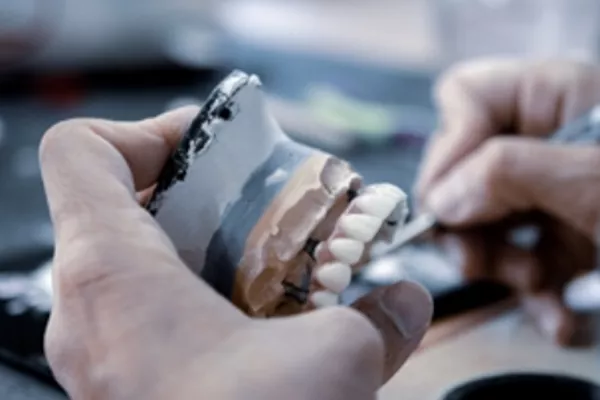
Porcelain fused to metal crown restoration at CityDent Istanbul
AT A GLANCE
IDEAL FOR
Posterior teeth, heavily restored molars, implant crowns
STRUCTURE
Metal coping + fused porcelain outer layer
EXPECTED LIFESPAN
10–15 years with routine care
COST TIER
Lower than full-ceramic — often more accessible
OVERVIEW

What Is a Porcelain Fused to Metal Crown?

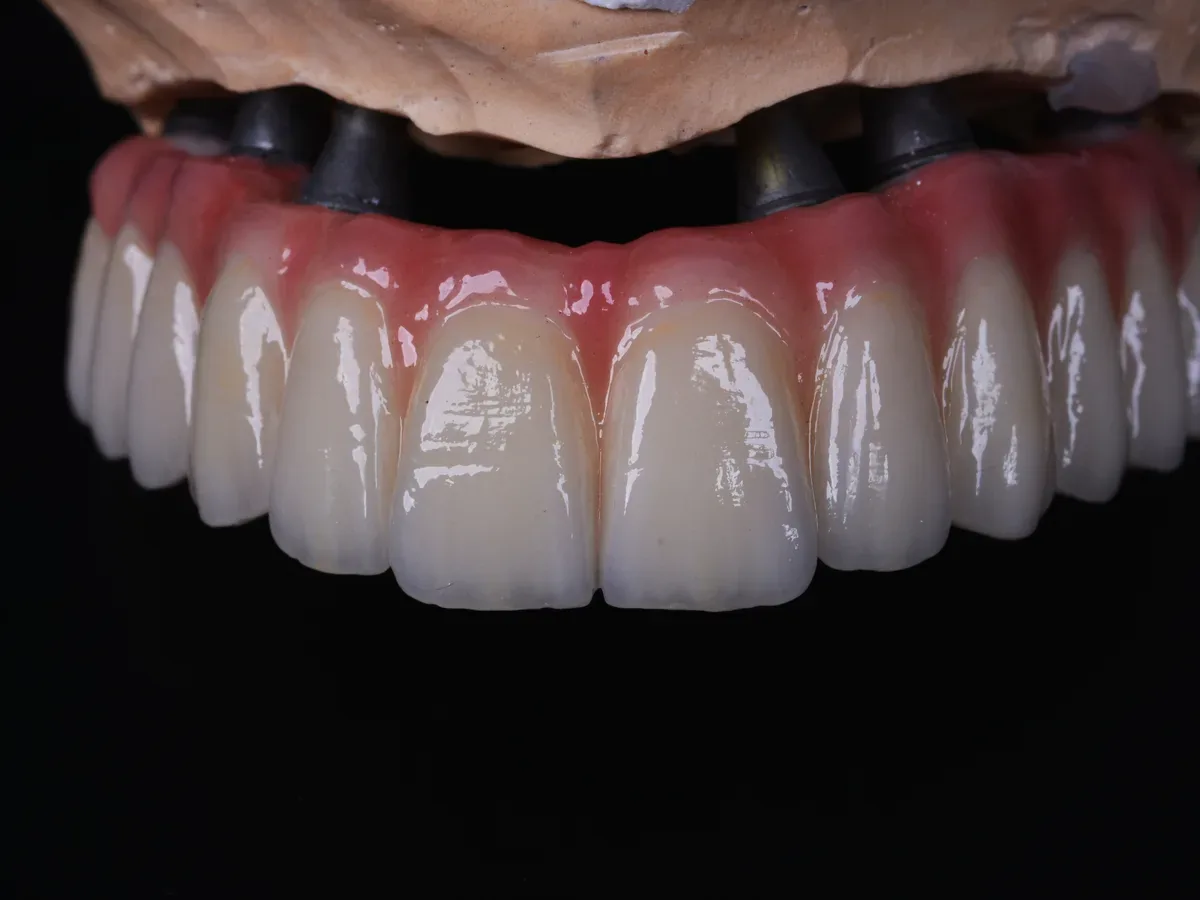
A porcelain fused to metal crown — commonly abbreviated as a PFM dental crown — is a two-layer dental restoration. The inner structure is a precisely cast metal coping, which provides rigidity and resistance to biting forces. The outer surface is built up with dental porcelain that is fired and bonded to the metal, producing a tooth-coloured appearance.

PFM crowns have been a standard in restorative dentistry for decades. Their principal strength is the combination of mechanical durability from the metal substructure with acceptable aesthetics from the porcelain surface layer. This makes the metal-supported porcelain crown particularly suitable for posterior teeth, where chewing loads are highest and full aesthetic transparency is less critical.

At CityDent Istanbul, PFM crowns are planned and fabricated using CAD/CAM-aided design and verified shade matching. The metal coping is cast from non-precious or semi-precious alloys depending on the clinical plan, and the porcelain is layered to the agreed shade before placement. For patients weighing their options among zirconia restorations in Istanbul and PFM, our treatment coordinators provide a clear comparison at no charge before any clinical step begins.
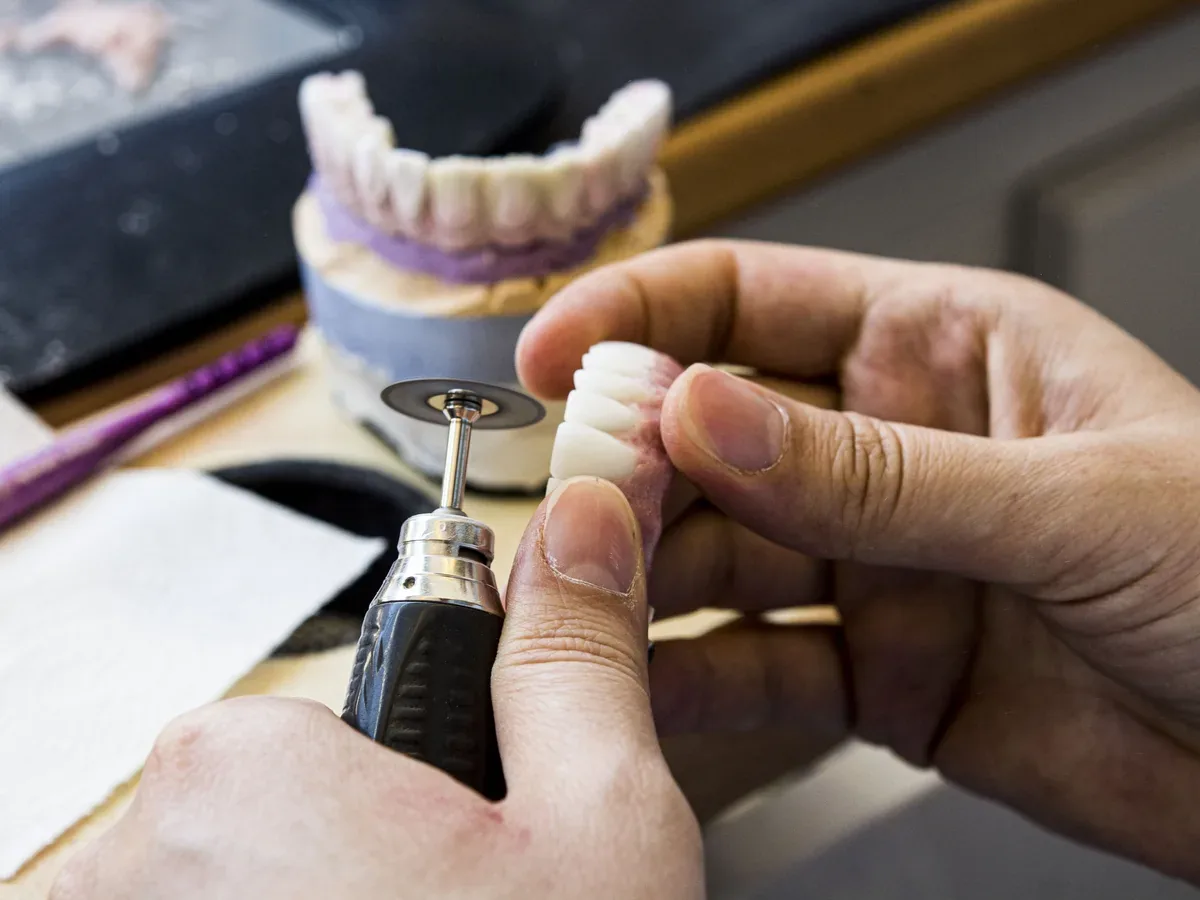
Metal coping substructure of a PFM dental crown
COMPARISON

PFM vs Zirconia vs Emax — How Do They Compare?

Choosing between a PFM crown Istanbul patients receive versus a full-ceramic option depends on the tooth position, existing tooth structure, bite force, and aesthetic priority. The table below outlines the key differences so you can arrive at your consultation with a clear picture.
Zirconia Crown
FULL CERAMIC — NO METAL
No metal — eliminates gum-line darkening
High strength (monolithic) or layered for aesthetics
Preferred for anterior and visible teeth
Higher material cost than PFM
Emax Crown
LITHIUM DISILICATE CERAMIC
Exceptional translucency — most natural appearance
Best suited to anterior and low-load teeth
Lower fracture resistance than PFM or monolithic zirconia
Ideal when maximum aesthetics is the priority
Compare options in a free consultation →
PFM dental crown materials and options for crown restorations
SUITABILITY

Who Is a PFM Crown Right For?

A porcelain fused to metal crown in Istanbul is appropriate for a broader range of clinical situations than many patients realise. The following criteria help our clinicians identify which patients are well-suited to this restoration type.

POSTERIOR TEETH
Molars and premolars that absorb the highest bite forces — where durability matters more than translucency.
HEAVILY RESTORED TEETH
Teeth with large existing fillings or following root canal treatment, where full crown coverage restores structural integrity.
IMPLANT-SUPPORTED CROWNS
PFM is a well-documented material option for implant crowns in Istanbul where high load tolerance is a clinical priority.
COST-CONSCIOUS PATIENTS
Patients who want a durable and proven restoration at a lower cost than full-ceramic options, without compromising function.
NO METAL ALLERGY
Patients without documented hypersensitivity to metal alloys — allergy testing is available if there is any uncertainty before treatment begins.
NON-PRIORITY AESTHETIC ZONE
Patients for whom slight metal visibility at the gum margin is acceptable — common in posterior regions that are not prominent when smiling.
PROCEDURE

What Happens During PFM Crown Treatment?

The full PFM dental crown process at CityDent Istanbul is typically completed over two clinical sessions, separated by a laboratory fabrication phase of approximately five to seven working days.
01
Consultation & Shade Selection
Your clinician reviews X-rays, assesses the tooth, and discusses material choice. Shade is matched to your adjacent natural teeth at this stage to ensure a consistent result.
02
Tooth Preparation
The tooth is reduced under local anaesthesia to create space for the crown coping and porcelain layer. Precise preparation depth is critical to the final fit and aesthetics of the restoration.
03
Impression & Temporary Crown
A digital or physical impression of the prepared tooth is taken and sent to the dental laboratory. A temporary crown is placed to protect the tooth while the permanent restoration is fabricated.
04
Laboratory Fabrication
Our partner laboratory casts the metal coping and fires the porcelain layers to the approved shade. The restoration is checked for marginal fit and occlusal accuracy before the fitting appointment.
05
Fitting & Permanent Cementation
The temporary crown is removed, the permanent PFM crown is trialled, bite is checked, and any minor adjustments are made before the crown is permanently cemented. Post-placement guidance is provided at this visit.
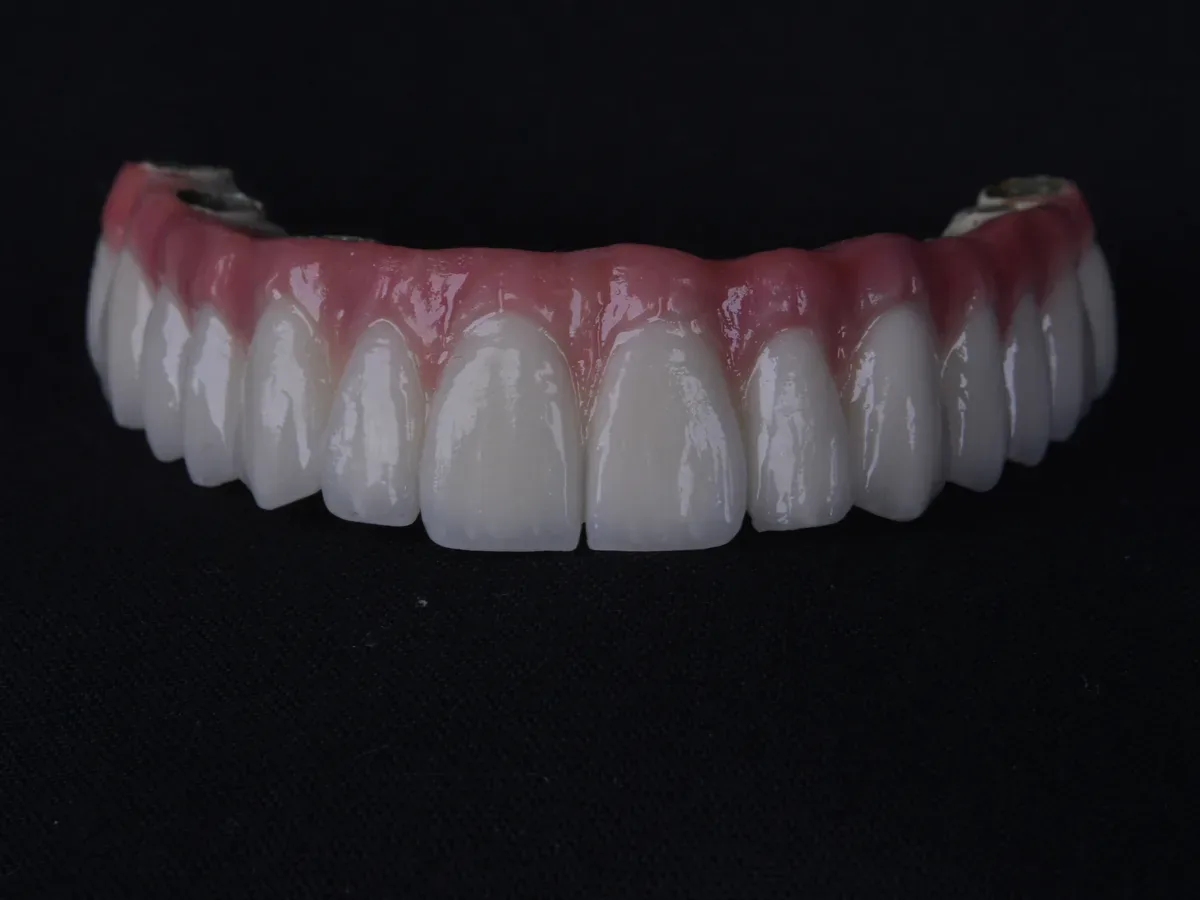
PFM crown porcelain layering process at CityDent Istanbul
LONGEVITY

How Long Do PFM Crowns Last?

With routine oral hygiene and regular professional check-ups, most PFM dental crowns in Istanbul perform reliably throughout and beyond the ten-year mark. Lifespan is influenced primarily by occlusal load, parafunctional habits (bruxism in particular), and the quality of the gingival environment around the crown margin.

  • Brush twice daily with a soft-bristle brush; pay particular attention to the crown margin at the gumline.
  • Floss daily around the crown — floss threaders or interdental brushes assist with access.
  • Avoid biting on hard objects such as ice or unpopped kernels, which risk chipping the porcelain surface layer.
  • If you grind your teeth at night, discuss a protective nightguard with your clinician — bruxism accelerates porcelain wear.
  • Attend routine check-ups every six months; your clinician will examine crown margins and opposing tooth wear at each visit.
CLINICAL EVIDENCE
Published meta-analyses comparing metal-ceramic (PFM) and zirconia-based restorations consistently report high survival rates for PFM crowns at five- and ten-year follow-up intervals. Survival and complication patterns differ between material types, which is why a material-specific discussion at consultation is essential for each patient's decision.
PFM crown ceramic and metal layers close-up
CLINICAL TRANSPARENCY

Possible Outcomes & Known Limitations

PFM crowns have a well-established clinical track record. Serious complications following a correctly planned and placed restoration are uncommon. The following outcomes are possible and are discussed with each patient before treatment begins.

Post-placement sensitivity
Mild sensitivity to temperature or pressure in the days after crown placement is normal as surrounding tissues adapt. It typically resolves without intervention.
Bite adjustment
Occasionally a small bite refinement is needed at a follow-up visit to optimise chewing comfort. This is routine and does not indicate a problem with the crown.
Gum margin response
Mild gingival irritation at the crown margin can occur initially. With good oral hygiene it typically resolves quickly; persistent irritation should be reviewed by your clinician.
Metal visibility at gumline
Over many years, gingival recession can expose the metal coping margin, resulting in a visible dark line. This is a cosmetic consideration and is discussed honestly with patients for whom aesthetics are a primary concern.
Porcelain chipping
The porcelain surface layer can chip under extreme forces — most commonly in bruxism or contact with very hard objects. In such cases, a nightguard reduces the risk significantly.
Metal allergy (rare)
Patients with documented or suspected hypersensitivity to metal alloys require allergy assessment before PFM treatment. Zirconia or Emax restorations are the metal-free alternatives when allergy is confirmed.
FREQUENTLY ASKED QUESTIONS

PFM Crown — Common Questions

Are PFM crowns used on front teeth?
Although technically possible, a porcelain fused to metal crown is generally not the first choice for front teeth. The metal substructure can limit translucency and may create a visible dark line at the gum margin as the years pass. For anterior teeth where natural appearance is the priority, Emax or zirconia restorations in Istanbul offer better aesthetic outcomes. Your clinician will discuss the most appropriate option for your specific tooth position during consultation.
Can I eat normally with a PFM crown?
Yes. After permanent cementation you can eat normally in the vast majority of cases. A soft diet is recommended for the first few days while the surrounding tissues settle. Ongoing, it is advisable to avoid biting directly on very hard items — ice, hard nuts, or hard sweets — which risk chipping the porcelain surface layer. For patients who grind their teeth, a nightguard is recommended to protect the restoration long-term.
How long do PFM crowns last?
With proper care and routine check-ups, a PFM dental crown typically lasts between 10 and 15 years. Longevity is most influenced by oral hygiene habits, bite forces, parafunctional habits such as bruxism, and the health of the gum tissue surrounding the crown margin. Regular professional check-ups every six months allow early detection of any changes that could shorten the restoration's useful life.
Is the crown placement procedure painful?
The tooth preparation session is performed under local anaesthesia and is not painful during the procedure. Mild sensitivity or tenderness in the days following preparation or after permanent cementation is common and short-term. If sensitivity persists beyond a week, contact your clinician for a review — this is rarely an indication of a complication, but an assessment provides clarity and reassurance.
Do PFM crowns look natural?
PFM crowns look natural in the majority of clinical situations, particularly in posterior regions where full translucency is not required. Shade is matched to adjacent teeth at the consultation stage. The most notable aesthetic limitation is the potential for a dark line to become visible at the gumline over time if gingival recession occurs — this is more likely to affect patients over many years rather than immediately after placement. For patients for whom a completely natural appearance in all light conditions is the priority, a full-ceramic alternative is the more suitable option.
Can I have a PFM crown if I have a metal allergy?
PFM crowns contain a metal alloy coping, which means they are not suitable for patients with confirmed hypersensitivity to the relevant metals. If you have a known or suspected metal allergy, please inform your clinician before treatment planning begins. Allergy testing can be arranged if there is any uncertainty, and zirconia or Emax restorations provide reliable metal-free alternatives for patients who need them.
Can PFM crowns break or chip?
The metal coping of a PFM crown is highly resistant to fracture. The porcelain surface layer, however, can chip under extreme forces — particularly in patients who grind or clench their teeth. Chipping is more likely to occur on a PFM crown than on a monolithic zirconia restoration, because zirconia is a single uniform material throughout. If you have a bruxism habit, discuss a protective nightguard with your clinician; this significantly reduces the risk and extends the restoration's life.
How do I start PFM crown treatment at CityDent Istanbul?
The simplest starting point is to send us your recent dental X-rays and a few photographs of the relevant tooth or teeth. Our clinical team will review your case and provide material options with indicative costs — there is no charge or obligation at this stage. Once you decide to proceed, all clinical details including material selection, timeline, and fixed crown options in Istanbul are confirmed at your first in-clinic appointment. Begin with a free consultation.