Temporary Tooth Problems
Temporary dental prosthesis problems are more common than many patients expect — and most can be resolved quickly when you know what to look for.
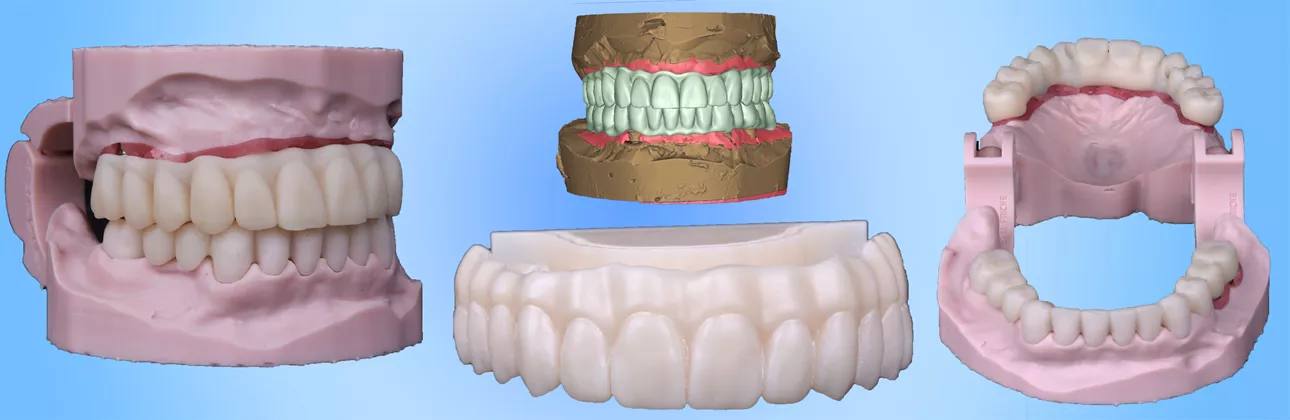
What to Expect — and When to Act
- Mild sensitivity to temperature in the first 1–2 weeks
- Slight tightness or pressure sensation after fitting
- Minor gum tenderness around the prosthesis margin
- Temporary prosthesis feels persistently too high on biting
- Prosthesis has detached but is intact
- Noticeable looseness developing over days
- Tongue keeps catching on a sharp edge
- Visible fracture or broken segment
- Swelling, discharge or worsening pain around an implant
- Implant screw appears exposed
- Prosthesis has been off the implant for more than 24 hours
Common Temporary Dental Prosthesis Problems Explained
Temporary dental prosthesis problems typically arise because provisional restorations are intentionally made from lighter materials — designed to be removed and adjusted as your implants heal. Understanding each issue helps you respond appropriately rather than worry unnecessarily. Most temporary crown problems and fit issues are straightforward to correct at a short clinical appointment.
Sensitivity to Hot and Cold
Mild temperature sensitivity with temporary teeth is usually related to small gaps that form at the prosthesis margin over time, rather than the implants themselves. Implants do not transmit thermal sensation; however, if natural teeth are also present in the mouth alongside your temporary prosthesis, some sensitivity may occur. This typically settles once the definitive restoration is placed with a permanent bonding approach.
Dislodgement — Why It Happens and What to Do
Temporary prosthesis problems caused by dislodgement are among the more frequent temporary dental prosthesis problems seen at Citydent Istanbul. Temporary restorations use lighter retention materials by design so they can be adjusted and removed without disturbing the implants. If your temporary tooth comes off: store it safely, avoid self-reinsertion, and contact your dentist to arrange re-cementation or adjustment. Provisional prosthesis Istanbul patients can contact the clinic directly for same-day re-cementation appointments. Temporary tooth problems Istanbul patients report are often related to this type of detachment event.
Fracture or Cracking
Acrylic-based temporary materials are functional but limited in durability. Hard foods, biting on unfamiliar angles, or an accidental impact can crack a temporary crown or bridge section. Temporary dental prosthesis problems involving fracture are best addressed promptly — store the fragment, avoid using that side of the mouth, and contact our Istanbul implant team to arrange repair or remake.
Fit Issues — Too High, Too Large, Tongue Catch
If your temporary prosthesis feels too high when biting, rubs against your tongue, or feels oversized, this is an adjustment issue — not a sign that the implants have failed. Temporary veneer issues and crown fit problems of this kind are correctable at a short adjustment visit. Bite misalignment during the temporary phase can place uneven pressure on implants, so prompt correction is important. Your dentist will reshape or reposition the restoration at your next visit.
Pain Around the Implant Area
Some discomfort around the implant site during the first weeks of the temporary tooth period is normal as healing progresses. If pain increases rather than decreases, or is accompanied by swelling, this warrants a clinical assessment. Temporary dental prosthesis problems involving escalating pain — rather than normal healing discomfort — should be assessed by your dentist. For pain management during healing, follow your treating dentist's guidance rather than self-medicating.
Infection Risk and Warning Signs
Inadequate hygiene around a temporary dental prosthesis can lead to peri-implant inflammation. Key warning signs include persistent swelling, a bad taste, discharge at the gum margin, or a sensation that the implant is moving. Early assessment prevents the infection from affecting implant stability. Maintaining meticulous cleaning around the prosthesis margins throughout the healing phase is essential.
Screw Loosening and Implant Stability
During the temporary tooth period, the implant screw connecting the temporary restoration to the abutment can loosen under chewing forces. You may notice the crown feels subtly wobbly or produces a faint clicking. Do not attempt to tighten it yourself — contact your dentist promptly, as a loose screw left unaddressed increases the risk of further complications and should be re-torqued by a clinician. For information on temporary fixed prosthesis Istanbul options, visit the dedicated page.
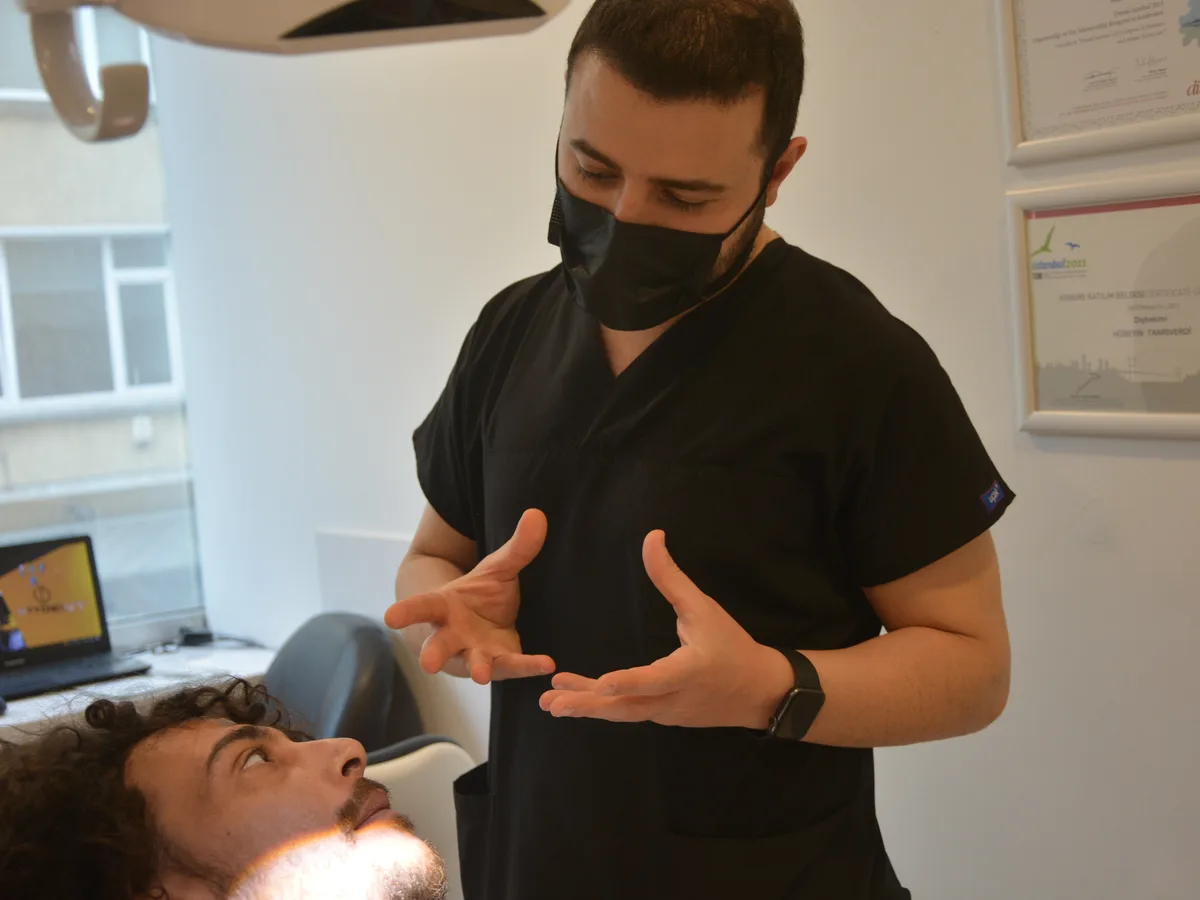
How to Protect Your Temporary Prosthesis
Following these guidelines reduces the likelihood of temporary dental prosthesis problems during your healing period:
- Avoid hard, crunchy or sticky foods that place excessive load on the temporary restoration
- Clean around the prosthesis margins twice daily using a soft-bristled brush and the cleaning aids recommended by your dentist
- Do not attempt to adjust, trim, or re-cement a detached prosthesis yourself
- Attend all scheduled check-up appointments — early detection of looseness or wear prevents larger issues
- If the prosthesis detaches overnight, keep it safe and call the clinic the following morning
Frequently Asked Questions
Temporary dental prosthesis problems are addressed in the questions below — collected from patients at Citydent Istanbul. For personalised advice, contact the clinic to discuss your specific situation.