Dental Implants Istanbul
Screw-Retained Implant Prosthesis Istanbul
A screw-retained implant prosthesis offers a clinically preferred restoration method in which the crown or bridge is secured to the implant with a precision access screw — eliminating dental cement entirely and making the prosthesis fully retrievable for maintenance or replacement.
Overview
What Is a Screw-Retained Implant Prosthesis?
When an implant-supported crown is placed using screw retention, a small titanium screw passes through the body of the crown and threads directly into the implant fixture or its abutment. The screw access channel — a narrow opening on the biting surface or palatal face of the crown — is sealed with a composite plug, leaving the restoration looking natural while remaining accessible to your clinician at any future appointment.
This differs fundamentally from cement-retained crowns, where the crown is bonded onto an abutment using dental cement. Screw retention removes the risk of residual cement becoming trapped beneath the gum line, a documented cause of peri-implant inflammation. At our dental clinic in Istanbul, screw retention is the default method for most implant-supported single crowns and bridges where the implant axis permits it. If you are researching your options for screw-retained implant prosthesis Istanbul treatment, the sections below cover materials, the clinical process, and aftercare in full.
The choice between screw and cement retention depends on implant angulation, aesthetic zone requirements, and prosthetic design. Your treating clinician will assess which method best suits your anatomy and treatment plan at your consultation.
Materials
Screw-Retained Crown Options
Citydent Istanbul fabricates screw-retained crowns in two primary material systems, selected based on clinical indication, aesthetic priority, and occlusal load.
Ceramic (Layered Porcelain) Crowns
Layered all-ceramic crowns offer the highest level of aesthetic customisation. A zirconia or lithium disilicate substructure is hand-layered with feldspathic porcelain to replicate natural tooth translucency, shade gradients, and surface texture. These restorations are ideal for anterior teeth in the aesthetic zone, where lifelike light transmission is the primary objective. The dental implants in Istanbul service at Citydent integrates these restorations into a fully planned prosthetic sequence.
Monolithic Zirconia Crowns
Milled from a single high-strength block of zirconia ceramic, monolithic restorations are the preferred choice for posterior teeth and full-arch restorations. The absence of a layered porcelain veneer eliminates the risk of chipping while preserving the screw access channel precisely within the occlusal anatomy. Clinical evidence shows favourable survival rates for implant-supported monolithic zirconia crowns over observation periods exceeding five years, making them a reliable choice for molar regions.
All crowns are designed using CAD/CAM digital workflows, ensuring a precise screw access channel alignment with the implant axis. The screw retained crown istanbul procedure at Citydent is planned and delivered within a fully digital prosthetic protocol, coordinated with our in-house dental laboratory team.
Clinical Process
The Placement Process
A screw-retained crown involves several coordinated clinical stages following osseointegration of the implant fixture.
-
Digital Planning and Impression
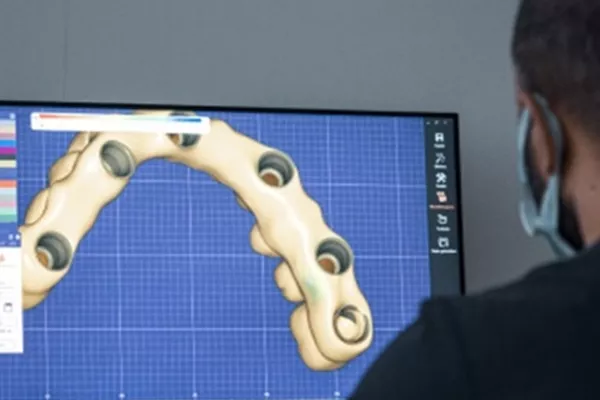
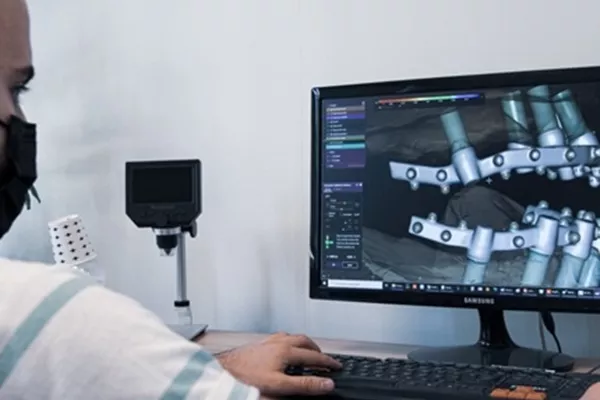
A digital intraoral scan or precision impression captures the three-dimensional relationship between the implant platform, adjacent teeth, and opposing arch. This data drives CAD design of both the abutment and crown geometry.
-
Abutment Selection and Placement
Depending on implant angulation and prosthetic requirements, either a standard titanium abutment or a custom CAD/CAM abutment is connected to the implant fixture at a specified torque. Custom abutment Istanbul solutions allow compensation for off-axis implant placement while keeping the screw channel in an accessible, aesthetically acceptable position.
-
Crown Fabrication and Trial
The crown is milled or pressed, surface-finished, and shade-checked against the patient's natural dentition before final seating. A trial appointment confirms occlusal contacts, interproximal contacts, and screw access channel position.
-
Screw Seating and Channel Sealing
The crown is seated on the abutment and the retaining screw is tightened to the manufacturer's specified torque value. The access channel is sealed with a composite material colour-matched to the restoration. Your implant abutment Istanbul clinician will guide you through each stage.
-
Review Appointment
A follow-up appointment at one to two weeks confirms stable occlusion, peri-implant tissue health, and patient comfort.
Benefits
Advantages of Screw-Retained Prostheses
Screw retention offers a set of clinically significant advantages over conventional cemented restorations.
- Full Retrievability. The crown can be unscrewed and removed at any future appointment without damaging the implant or abutment. This is essential for peri-implant health monitoring, screw torque re-verification, or prosthetic modification over time.
- No Residual Cement Risk. Dental cement excess below the gum margin is a recognised contributing factor in peri-implant disease. Screw retention eliminates this risk entirely by removing cement from the seating process.
- Precise Occlusal Management. Minor occlusal adjustments or re-polishing can be performed chairside after removal without compromising restoration integrity.
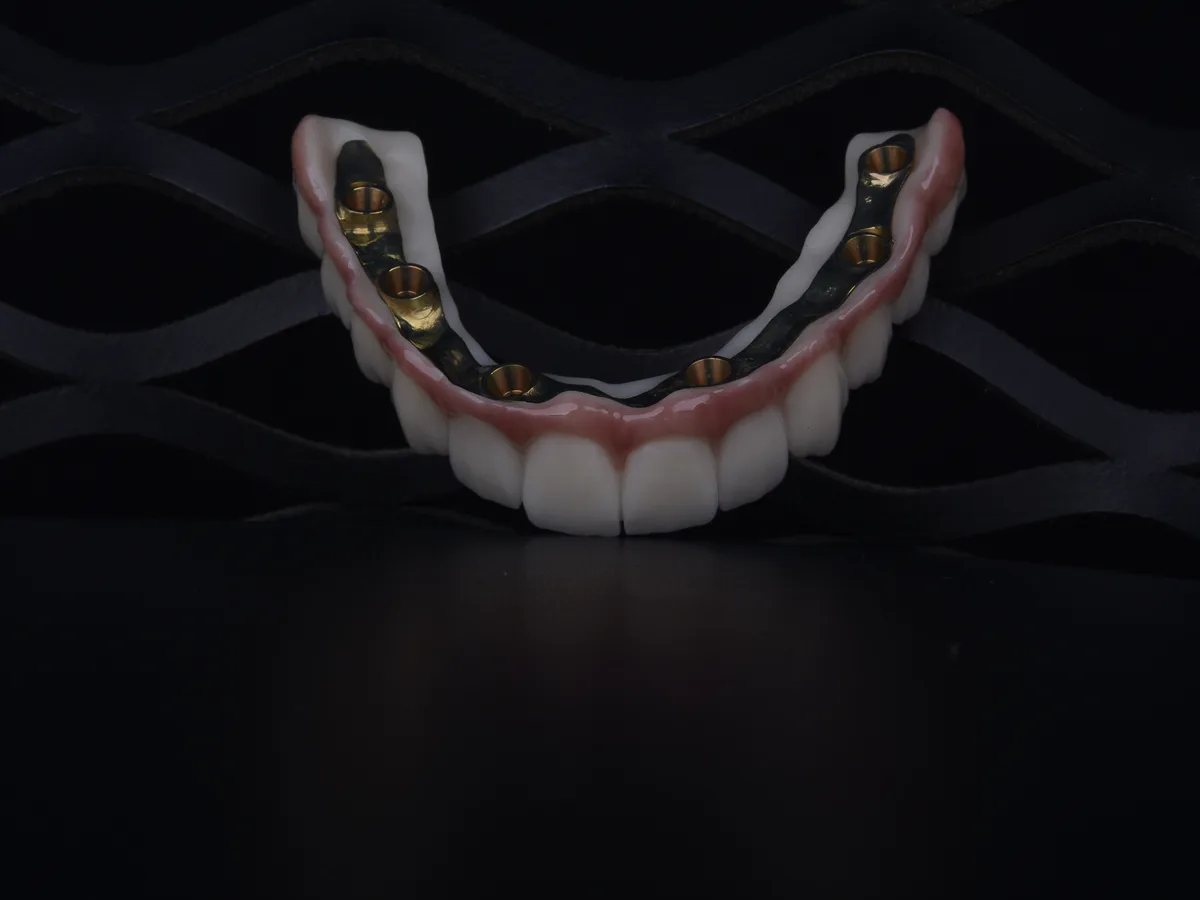
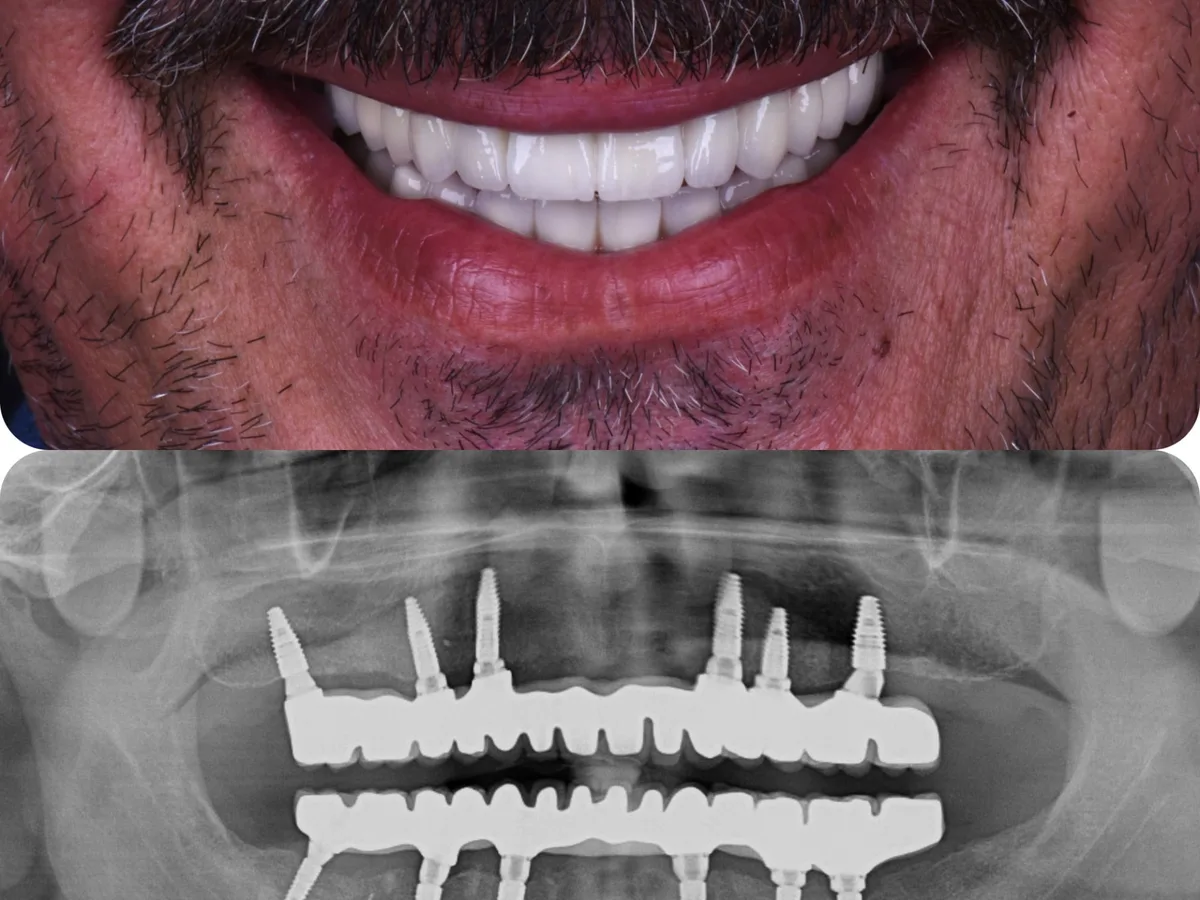
- Long-Term Predictability. Titanium bar implant Istanbul treatment and multi-unit bridge work almost universally use screw retention for this reason. Where a bar retained denture Istanbul approach is used for overdentures, the screw-retained framework principle underpins the same benefits of retrievability and cement-free assembly.
- Cost Efficiency Over Time. While the initial fabrication investment may be higher than a cemented alternative, the ability to retrieve, repair, or replace the crown without destroying the restoration typically results in lower total lifetime cost.
Comparison
Screw-Retained Crowns vs Cemented Crowns
For patients with complex implant positions or multiple-unit restorations, a screw implant prosthesis turkey protocol at Citydent balances aesthetic and functional requirements. The table below summarises the key clinical differences.
| Feature | Screw-Retained | Cemented |
|---|---|---|
| Retrievability | Full — unscrew and remove | Destructive — crown must be cut off |
| Cement risk | None | Risk of subgingival excess |
| Access channel | Present (composite-sealed) | None visible |
| Implant angulation | Best with straight or near-straight axis | Can compensate for angled implants |
| Aesthetics | Excellent — plug virtually invisible | No visible access channel |
| Maintenance | Easily serviced chairside | Requires crown removal for repair |
| Best use | Most single units and all multi-unit bridges | Selected anterior cases with difficult angulation |
Aftercare
Aftercare and Long-Term Maintenance
Screw-retained implant prostheses require the same oral hygiene discipline as natural teeth, with some additional considerations.
Daily Oral Hygiene
Brush twice daily with a soft-bristled toothbrush. Use dental floss or interdental brushes around the implant crown margin. Water irrigators are particularly effective for cleaning beneath multi-unit bridge frameworks.
Professional Maintenance
Attend professional hygiene appointments every three to six months. Your dental hygienist will use implant-safe instruments to clean around the crown margins and assess peri-implant tissue health. Evidence-based protocols for peri-implant self-care demonstrate that consistent mechanical plaque removal is the primary protective factor for long-term implant success.
Screw Torque Verification
Periodically — typically at annual review — your clinician may remove the composite plug, verify screw torque, and reseal the access channel. This is a minor chairside procedure and a key benefit of the screw-retained design.
Before Your Final Crown
Patients wearing a temporary prosthesis during implant healing should maintain the same hygiene protocols. You can also read about temporary implant prosthesis Istanbul options if you are in the healing phase. The healing period is critical for establishing healthy peri-implant tissue before the definitive restoration is placed.
Risks & Complications
Risks and Possible Complications
Screw-retained implant prostheses deliver excellent long-term outcomes when planned and placed according to established protocols. The following considerations apply to screw-retained implant prosthesis Istanbul cases and are addressed at your pre-treatment consultation. Awareness of potential complications supports informed consent and appropriate follow-up.
-
Screw Loosening
The most frequently reported mechanical complication. Screw loosening can result from parafunctional habits such as bruxism, off-axis loading, or under-torquing during placement. It is managed by re-torquing and, where parafunctional forces are present, by fitting a protective occlusal splint. Your treating clinician will advise on preventive measures at your initial consultation.
-
Access Plug Fracture
The composite sealing material can occasionally fracture under heavy occlusal load. Replacement is a simple chairside procedure requiring removal of the old plug, re-torque verification, and placement of fresh composite material.
-
Crown Fracture
Zirconia crown fracture is uncommon but may occur in cases of severe bruxism or unexpected impact. The screw-retained design allows removal and replacement without disturbing the underlying implant fixture.
-
Peri-Implant Tissue Changes
Long-term implant success requires stable peri-implant bone and soft tissue. Systematic review data indicates that tissue-level monitoring and early intervention for any signs of peri-implant mucositis significantly reduce the risk of progressive bone loss. Regular check-up appointments form an essential part of the long-term care protocol. For questions about specific risks in your case, consult your treating dentist at dental treatment in Istanbul.
FAQ
Frequently Asked Questions
-
What is a screw-retained implant crown?
A screw-retained implant crown is a dental restoration fixed to an implant using a small titanium access screw rather than dental cement. The screw passes through the crown body and threads into the implant fixture or abutment. The access channel is sealed with composite material, leaving a natural appearance. The key benefit is that the crown can be removed at any future appointment without damage — making it fully retrievable for maintenance, adjustment, or replacement. -
What materials are used for screw-retained crowns at Citydent Istanbul?
Citydent Istanbul uses two principal material systems: layered all-ceramic crowns (zirconia or lithium disilicate substructure with hand-layered porcelain) for anterior aesthetic restorations, and monolithic zirconia crowns for posterior and full-arch work. All restorations are CAD/CAM designed and fabricated in coordination with our dental laboratory team to ensure precise screw channel alignment and a predictable long-term outcome. -
How long do screw-retained crowns last?
When maintained with regular professional hygiene appointments and good home oral care, screw-retained crowns can remain in function for many years. Survival rates for implant-supported single crowns in clinical literature exceed 95% at ten years. Actual longevity depends on oral hygiene standards, bite forces, the presence of parafunctional habits such as bruxism, and adherence to check-up protocols. The screw-retained design supports longevity by enabling easy maintenance and screw torque verification at routine visits. -
What are the main advantages of screw retention over cemented crowns?
The primary advantage is full retrievability: the crown can be unscrewed and removed without destruction, allowing for maintenance, torque re-verification, or replacement. Screw retention also eliminates the risk of residual cement excess below the gum margin — a documented factor in peri-implant inflammation. For multi-unit bridges and full-arch restorations, screw retention is the clinical standard because it allows the entire prosthesis to be retrieved, serviced, and re-fitted with minimal chairside time. -
Can a screw-retained crown be replaced if damaged?
Yes. The screw-retained design makes replacement straightforward. The composite access plug is removed, the retaining screw is unscrewed, and the crown is lifted away. After evaluation of the abutment and implant, a new crown is fabricated and seated. This process is significantly less invasive than removing a cemented crown, which typically requires cutting through the restoration. -
Is screw retention suitable for all implant patients?
Screw retention is suitable for most implant cases, but feasibility depends on implant angulation. When the implant axis is straight or near-straight, the screw access channel can be positioned on the palatal or occlusal surface where it is either hidden or easily sealed with tooth-coloured composite. In cases of significant angulation, the access channel may emerge in a visible or biomechanically unfavourable position, in which case cement retention or an angulated abutment solution may be preferred. Your clinician will assess the options at your consultation. -
What does the placement process involve?
The process begins after osseointegration of the implant fixture. A digital scan captures the implant position. An abutment is selected or custom-designed, then the crown is CAD/CAM fabricated and shade-matched. At the seating appointment, the crown is placed, the screw is torqued to specification, and the access channel is sealed. A follow-up visit confirms stable occlusion and peri-implant tissue health. The total prosthetic phase from impression to final seating typically spans one to two weeks. -
How should I care for a screw-retained prosthesis?
Daily brushing with a soft toothbrush and the use of dental floss or interdental brushes around the implant crown margin are the foundation of home care. Water irrigators are helpful for multi-unit bridge cases. Professional hygiene visits every three to six months allow monitoring of peri-implant tissue and professional cleaning. Annual review appointments may include screw torque verification — a brief chairside procedure that takes advantage of the retrievable design. For your specific care protocol, speak with your treating dentist at Citydent.
Sources reviewed: ZIR-CROWN-001 — Survival of Metal-Ceramic, Veneered and Monolithic All-Ceramic Crowns (PubMed) · ZIR-CROWN-002 — Zirconia-Ceramic vs Metal-Ceramic Implant-Supported Crowns (PubMed) · IMP-SELFCARE-001 — Oral Self-Care for Peri-Implant Conditions (PMC) · IMP-PERIIMPLANT-001 — Peri-Implantitis: Tissue Level vs Bone Level Implants (PMC)