Permanent Fixed Dental Crowns
Precision-fitted, long-lasting fixed dental crowns Istanbul — crafted for natural teeth and implant-supported restorations at Citydent Istanbul.
What Are Fixed Dental Crowns?
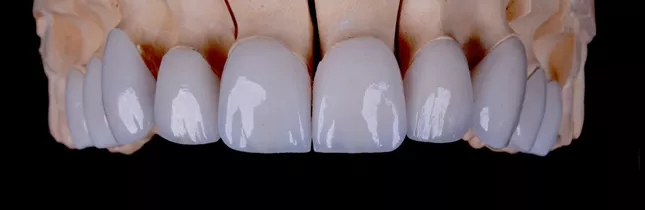
Fixed dental crowns Istanbul are permanent caps placed over a damaged, weakened, or prepared tooth — or secured onto a dental implant — to restore full shape, strength, and appearance. Unlike removable prosthetics, fixed dental crowns Istanbul stay in place and function exactly like natural teeth.
At Citydent Istanbul, fixed dental crowns are placed in a range of situations: to protect a tooth following root canal treatment, to cover a heavily filled or fractured tooth, to anchor a fixed bridge across a gap, or to complete an implant with a permanent top restoration. Each case is assessed individually before a material or design is proposed.
Many patients seeking dental crowns in Istanbul Turkey find that Citydent offers the combination of clinical precision and material quality they are looking for — with treatment plans presented in writing before any preparation begins.
Whether your tooth is still present or has been replaced by a dental implant, fixed dental crowns Istanbul at Citydent follow the same principle — a restoration that fits precisely, matches your surrounding teeth, and holds up under everyday use.
Crown Materials Available at Citydent Istanbul
Choosing the right material is a clinical decision based on tooth position, bite forces, and your aesthetic expectations. The most commonly placed fixed dental crowns in Istanbul at Citydent are:
-
Zirconia (Monolithic and Multilayer) Zirconia is the current standard for most fixed dental crowns Istanbul cases. Monolithic zirconia is milled from a single solid block — extremely resistant to fracture and well-suited for posterior teeth and implant-supported restorations. Multilayer zirconia adds gradients of translucency, making it a strong choice where aesthetics matter.
-
Emax All-Ceramic Lithium disilicate (Emax) offers exceptional light transmission and colour match — a preferred option for front teeth where the visual result is the priority. It is bonded directly to the tooth and requires sufficient remaining tooth structure for support. For patients asking about Emax bridge Istanbul, your treating dentist will evaluate whether the adjacent teeth are suitable anchors.
-
Porcelain-Fused-to-Metal (PFM) PFM crowns combine a metal substructure with a porcelain outer layer. They have a long track record and remain reliable where high bite forces are present. The metal margin can occasionally show at the gumline — this is discussed during your consultation.
| Material | Best Suited For | Key Strength |
|---|---|---|
| Monolithic Zirconia | Posterior teeth, implants | Fracture resistance |
| Multilayer Zirconia | Anterior / aesthetic cases | Translucency + strength |
| Emax All-Ceramic | Front teeth, bonded cases | Colour match, light transmission |
| PFM | High-load posterior, bridgework | Long clinical track record |
All fixed dental crowns Istanbul at Citydent — whether zirconia, Emax, or PFM — are fabricated to the same precision standard. For a detailed comparison of zirconia options, see zirconia fixed bridge Istanbul.
A 2025 systematic review covering over a decade of clinical data found high survival rates across zirconia crown types when fitted and maintained correctly (Pjetursson et al., Clinical Oral Implants Research, 2025).
The Crown Placement Process
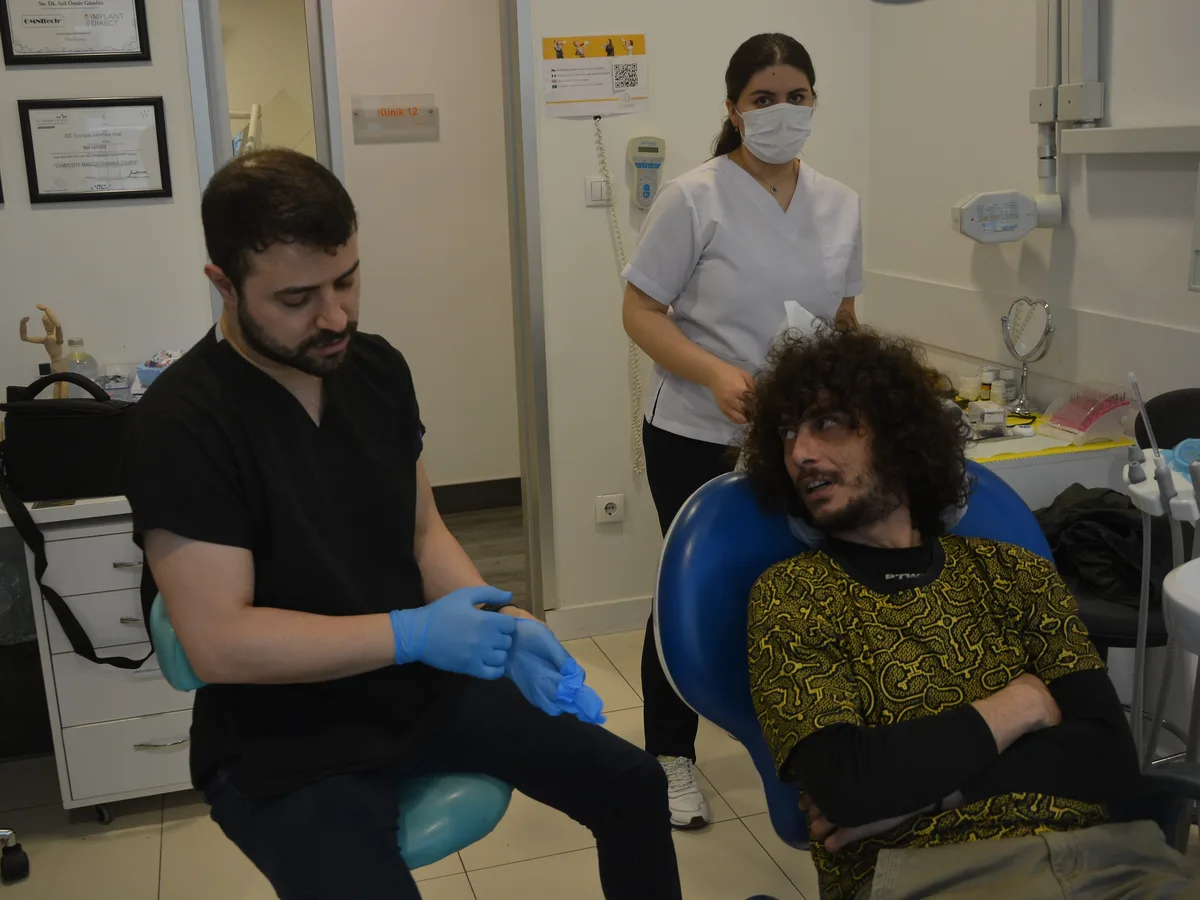
Fixed dental crowns in Istanbul at Citydent are typically placed across two clinical appointments, though this varies depending on whether the crown sits on a natural tooth or an implant.
-
1Consultation and Assessment Your dentist examines the tooth or implant site, reviews existing X-rays, and discusses your functional and aesthetic goals. A treatment plan is presented in writing before any work begins.
-
2Tooth Preparation The tooth is shaped to receive the crown. This involves removing a controlled layer of enamel from all surfaces to create space. If the tooth has a large existing filling, this step may also include a core build-up to provide a stable foundation.
-
3Impressions and Temporary Crown Digital or physical impressions are taken and sent to the dental laboratory. A temporary crown protects the prepared tooth while the permanent fixed dental crowns Istanbul restoration is being made — typically one to two weeks.
-
4Final Placement and Adjustment The finished crown is seated, the fit and bite are checked, and minor adjustments are made before final bonding or cementing. Your dentist confirms the crown feels comfortable and the bite is balanced before you leave.
For implant-supported crowns, the sequence differs slightly — see our guide on dental implants Istanbul Turkey for the full process.
What to Expect After Your Crowns Are Placed
Understanding what is normal after fixed dental crowns Istanbul helps patients manage the recovery period confidently.
-
Adjustment Period Most patients adapt within one to two weeks. An unfamiliar sensation when biting or speaking is normal and typically resolves as the mouth adjusts.
-
Sensitivity Mild temperature sensitivity is common in the first weeks after crown placement, particularly if significant tooth preparation was involved. This usually settles on its own. If sensitivity persists beyond three to four weeks, contact your dentist so the fit and bite can be re-evaluated.
-
Eating Soft foods are advisable for the first day or two. Fixed dental crowns Istanbul are designed to handle normal chewing — avoid biting hard objects like ice, nuts, or pens, and do not use them to open packaging.
-
Hygiene The crown itself cannot decay, but the margin where it meets the natural tooth or gumline can accumulate plaque. Brush twice daily with a soft-bristle toothbrush and clean between teeth with floss or an interdental brush. For implant-supported crowns, your dentist may recommend a water flosser to reach under the gumline effectively.
-
Follow-Up A follow-up check at four to six weeks is standard at Citydent Istanbul. This allows your dentist to confirm the bite is stable and that the gum tissue around the crown is settling correctly.
Crown Issues: Causes and What to Do
Even well-placed fixed dental crowns in Istanbul can present issues over time. Knowing what to look for and when to act is part of long-term care.
-
Sensitivity and Pain If a crown causes prolonged discomfort when biting, it often indicates the bite height needs minor adjustment — a straightforward chairside procedure. Persistent pain may require X-rays to rule out issues with the underlying tooth.
-
A Crown That Feels Loose or Moves Movement in a crown signals that the cement bond has weakened or the underlying tooth structure has changed. A loose crown exposes the prepared tooth to bacteria and can result in decay beneath the restoration. Contact your dentist promptly.
-
A Broken or Chipped Crown Minor chips can sometimes be smoothed or repaired with composite resin. A crown that has fractured significantly will typically need to be replaced. If the crown falls out entirely, keep it safe and contact your dentist the same day.
-
High Bite If the crown feels too tall or your teeth do not meet evenly, your bite is described as high. This is corrected by adjusting the crown surface at your next appointment — do not delay, as an uneven bite can cause jaw discomfort.
Frequently Asked Questions
How long does it take to adjust to new fixed dental crowns?
Most patients feel comfortable within one to two weeks. The mouth adapts to the new shape and bite naturally during this period. If discomfort or an unusual bite sensation continues beyond two weeks, a review appointment is recommended so your dentist can check the fit.
What causes a crown to feel loose, and what should I do?
A loose crown typically means the cement has broken down or the tooth beneath has changed. Avoid chewing on that side and contact your dentist as soon as possible. In most cases, the crown can be recemented — but the underlying tooth will be examined first to ensure it is intact.
Why are my crowns sensitive to hot and cold?
Thermal sensitivity after crown placement is usually temporary and resolves within a few weeks as the tooth settles. If it persists, your dentist will check whether the margin is sealing correctly and whether the nerve inside the tooth needs further attention.
What should I do if a crown breaks or falls out?
Keep the crown and call your dental clinic the same day. Do not attempt to reattach it yourself. Your dentist will examine the tooth, determine whether the existing crown can be rebonded, and — if needed — take new impressions for a replacement.
Can I eat normally with fixed dental crowns in Istanbul?
Yes. Once the crown is permanently bonded and the bite has been confirmed, you can eat normally. During the temporary crown phase, avoid hard, sticky, or very chewy foods that could dislodge the temporary cement.
How long do fixed dental crowns typically last?
With proper hygiene and regular dental check-ups, fixed dental crowns in Istanbul usually last ten to fifteen years or longer. Crown longevity depends on the material chosen, the condition of the underlying tooth or implant, and whether bruxism (teeth grinding) is present and managed. Your dentist will discuss the expected outcome for your specific case.
What is the difference between a crown on a natural tooth and a crown on an implant?
The crown itself — the visible tooth-shaped cap — is similar in both cases and made from the same materials. The difference is in how it is attached. On a natural tooth, the crown is cemented onto the prepared tooth surface. On an implant, the crown is connected via an abutment to the implant post. For patients considering implant-based fixed prostheses, including All on 4 fixed prosthesis Istanbul, the type of crown and attachment method is planned as part of the overall treatment. For implant-retained fixed reconstructions involving more than a few teeth, see also titanium bar fixed prosthesis Istanbul.
Sources reviewed for clinical context: Pjetursson BE et al. Systematic Review & Meta-Analysis: Survival of Metal-Ceramic, Veneered and Monolithic All-Ceramic Crowns. Clinical Oral Implants Research, 2025 (PMID:41489982). Individual treatment outcomes depend on clinical factors assessed during consultation.