Gum Diseases & Periodontal Care
Gum Recession
Gum recession treatment in Istanbul: causes, warning signs, and solutions
What Is Gum Recession?
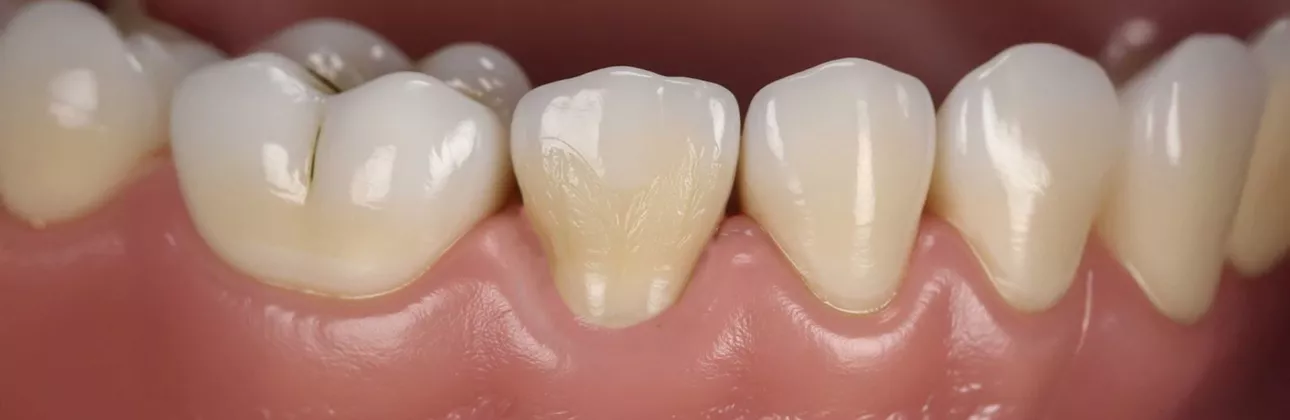
Gum recession — medically known as gingival recession — is a condition in which the gum tissue surrounding the teeth gradually pulls back, exposing more of the tooth surface or the underlying root. Because the process is slow and often painless in its early stages, many patients do not realise it is happening until sensitivity or a visible change in tooth length prompts them to seek advice.
Gum recession is not simply a cosmetic concern. As the protective tissue retreats, the softer root surface becomes exposed and vulnerable to decay, wear, and sensitivity. Left unmanaged, it can contribute to bone loss and, in advanced cases, to tooth loss. Early gum recession treatment is most effective at halting progression — once tissue is significantly lost, surgical restoration becomes necessary. Appropriate gum recession treatment Istanbul patients seek at Citydent can halt further damage and, in many situations, restore lost tissue.
At Citydent Istanbul, our periodontists assess each case individually — examining the depth of recession, the thickness of remaining gum tissue, and any contributing factors — before recommending the most suitable gum recession treatment approach. For patients concerned about gingival recession Istanbul residents can access our full range of periodontal services. If you have noticed any changes along your gumline, request a consultation for a precise evaluation.
Early Signs of Gum Recession
Recognising the early signs of gum recession allows you to act before the condition advances. Patients seeking receding gums Istanbul treatment often present with one or more of the following:
- Teeth that appear longer than before.As gum tissue withdraws, more of the tooth — or its root — becomes visible. This is most noticeable in the front teeth.
- Increased sensitivity to hot or cold.Exposed root surfaces lack the protective enamel coating found on the crown, making them far more responsive to temperature changes.
- Visible root surface.A darker or slightly different texture near the base of a tooth, particularly close to the gumline, often indicates root exposure.
- Discomfort when brushing or eating.Receded gums leave exposed areas prone to sharp or dull pain during brushing or chewing.
- Redness or swelling at the gumline.Persistent inflammation in this area can be an early warning of bacterial irritation or advancing recession.
- Bleeding during brushing or flossing.Occasional bleeding may seem unremarkable, but frequent or persistent bleeding is a recognised early sign of gum disease.
- Persistent bad breath.Bacteria accumulating in the pockets between teeth and receded gum tissue produce compounds that cause chronic halitosis, even in patients who maintain regular oral hygiene.
If you are experiencing one or more of these signs, a prompt assessment can significantly reduce the risk of needing surgical intervention later. See our overview of gum problems and related conditions for further context.
Common Causes of Gum Recession
Gum recession rarely has a single cause. Understanding the contributing factors is central to both treating the condition and preventing recurrence. Gum recession treatment in Istanbul addresses each of these causes as part of a comprehensive periodontal plan:
- Periodontal disease.Chronic bacterial infection drives inflammation that progressively destroys the gum tissue and underlying bone. This remains the most prevalent cause of significant gingival recession globally.
- Aggressive brushing technique.Using a hard-bristled toothbrush or applying excessive force gradually abrades the gum margin. Switching to a soft brush and a gentle technique is one of the simplest preventive steps.
- Teeth grinding and clenching (bruxism).The sustained pressure of clenching — often during sleep — traumatises gum tissue and accelerates tissue loss. This connection between teeth clenching and gum recession is well documented in the periodontal literature.
- Genetic predisposition.Some patients inherit thinner or less resilient gum tissue that is more susceptible to recession even with good oral hygiene. Regular monitoring is particularly important in these cases.
- Poor oral hygiene.Inadequate plaque removal allows bacteria to accumulate along the gumline, triggering chronic inflammation and tissue breakdown over time.
- Hormonal fluctuations.Hormonal changes during pregnancy, menstruation, or menopause can heighten gum sensitivity and increase susceptibility to inflammation and recession.
- Tobacco use.Smoking and other forms of tobacco reduce blood flow to gum tissue, impairing the tissue's capacity to heal and increasing the pace of recession. Tobacco use also compromises the success of gum recession treatment.
- Ill-fitting dental prosthetics.Crowns, bridges, or dentures that do not fit correctly can exert chronic friction or pressure on adjacent gum tissue, accelerating recession in the affected area.
- Oral piercings.Lip or tongue jewellery that repeatedly contacts the gum surface causes localised trauma that, over time, contributes to tissue loss.
Gum Recession Treatment Options in Istanbul
Gum recession treatment Istanbul — both non-surgical and surgical — is available at Citydent Istanbul, offering the full range of periodontal care. Among gum recession Turkey patients who travel for treatment, Istanbul is a frequently chosen destination for its combination of specialist expertise and accessible costs. The appropriate approach depends on the severity of recession, the underlying cause, and the overall condition of the surrounding tissues.
Non-Surgical Treatments
- Scaling and root planing.A professional deep-cleaning procedure that removes bacterial deposits from beneath the gumline, reducing inflammation and encouraging the gum tissue to stabilise. This is typically the first step for mild to moderate gum recession.
- Custom night guards.For patients whose gum recession is linked to bruxism, a precisely fitted night guard reduces the mechanical load on teeth and gum tissue during sleep, protecting against further damage.
- Desensitising agents.Applied in the clinic or prescribed for home use, these agents reduce discomfort from exposed root surfaces. They do not reverse recession but meaningfully improve quality of life during treatment.
- Antibacterial rinses.Specialist rinses can reduce the bacterial load responsible for ongoing gum inflammation, particularly when used as part of a structured maintenance programme.
Surgical Treatments
- Connective tissue graft (gum graft surgery).Donor tissue — most often taken from the palate or a tissue bank — is sutured over the receded area to cover exposed roots and reinforce thin gum tissue. This is one of the most established forms of receding gum treatment Istanbul patients receive at Citydent.
- Regenerative procedures.Bone grafts, biological membranes, or tissue-stimulating proteins are used to regenerate lost bone and connective tissue in cases where recession has been accompanied by structural loss.
- Periodontal flap surgery.The gum tissue is gently reflected to provide access for thorough cleaning of deeper pockets, then repositioned and sutured closely around the tooth. This approach is preferred when significant bacterial deposits persist below the gumline.
- Pinhole surgical technique.A minimally invasive alternative to conventional grafting in which a small access point is created in the gum and specialised instruments are used to reposition tissue over exposed roots. Recovery is typically faster than with traditional grafting, and sutures are not required.
Every gum recession treatment plan at Citydent Istanbul is developed following a thorough periodontal assessment. Long-term gum graft Istanbul outcomes depend not only on the procedure itself but on consistent maintenance care thereafter. Where bruxism, prior dental work, or systemic factors are identified as contributing causes, these are addressed as part of the overall plan to reduce the risk of recurrence.
What Happens If Gum Recession Is Left Untreated?
Because gum recession progresses slowly, it is easy to defer gum recession treatment. The consequences of doing so, however, can be substantial — and without timely gum recession treatment, outcomes become progressively harder to manage:
- Increasing tooth sensitivity.As more root surface is exposed, everyday activities such as drinking cold water or eating become progressively more uncomfortable.
- Progression to severe periodontal disease.The deepening pockets created by receding gums harbour bacteria, accelerating infection and tissue destruction without appropriate gum recession treatment.
- Bone loss.Untreated gum and bone recession eventually compromises the supporting structures of the teeth, undermining their stability.
- Tooth loss.Once supporting tissue and bone are sufficiently damaged, affected teeth become mobile and may require extraction. Advanced, untreated periodontitis is a leading cause of tooth loss in adults.
- Changes to facial structure.Significant bone resorption in the jaw affects facial contours over time, particularly in the lower face.
- Aesthetic asymmetry.Uneven gum recession results in teeth of differing apparent lengths, dark triangular gaps between teeth, and an imbalanced smile line.
Can Dental Implants Help After Tooth Loss from Gum Recession?
When teeth have already been lost as a result of advanced gum recession or periodontal disease, dental implants can restore both function and aesthetics. Titanium implant fixtures integrate with the jawbone to support crowns, bridges, or full-arch prosthetics, replicating the role of natural tooth roots.
Successful implant placement in patients with a history of recession does, however, require careful preparation. If bone volume has been reduced by prolonged gum disease, bone grafting is typically necessary before implants can be placed. Similarly, gum tissue quality and quantity must be sufficient to support a natural-looking result around the implant collar. Where needed, gum augmentation procedures are performed as part of the preparatory phase. For patients with a history of bruxism, occlusal management — including a night guard — remains relevant after implant placement.
For a detailed overview of what to expect when gum recession affects tissues around an implant site, see our page on gum recession after dental implants.
How to Stop Gum Recession Progressing
Early intervention and consistent daily habits are the most effective combination for halting gum recession before it requires surgical management. The following steps form the foundation of any gum recession treatment plan:
- Switch to a soft-bristled toothbrush.Hold it at a 45-degree angle to the gumline and let the bristles do the work rather than applying pressure.
- Address bruxism early.If you clench or grind your teeth — particularly at night — a custom-fitted night guard is one of the most effective tools for protecting gum tissue from the mechanical trauma associated with teeth clenching and gum recession.
- Treat underlying gum disease promptly.Scaling and root planing, performed by a periodontist, removes the bacterial deposits that drive gum inflammation and recession. Delaying this step allows the condition to advance.
- Maintain meticulous oral hygiene.Brushing twice daily, flossing once daily, and using an antibacterial rinse as directed by your treating dentist removes the plaque that is the primary driver of periodontal breakdown.
- Attend regular dental check-ups.Professional cleaning and early-stage monitoring allow your dentist to identify recession and contributing factors before they require more complex intervention.
- Stop smoking.Tobacco is among the most significant modifiable risk factors for receding gums. Cessation substantially improves gum tissue health and enhances the success of any gum recession treatment.
- Manage stress.Psychological stress is linked to bruxism and to lapses in oral self-care. Addressing stress through exercise, sleep hygiene, or professional support can reduce its impact on gum health.
For a broader review of gingival recession and related conditions, our gingival diseases page provides further clinical context. Comprehensive gum disease management — including gum recession treatment Turkey patients can access in Istanbul — is available at Citydent: see our full gum treatment overview.
Frequently Asked Questions
Can electric toothbrushes cause gum recession?
Not directly. An electric toothbrush used correctly — with light pressure and a soft brush head — is safe and effective. However, applying excessive force or using a brush head that is too firm can irritate the gum margin over time. Many modern electric toothbrushes include a pressure sensor to help prevent over-brushing.
Is teeth clenching linked to gum recession?
Yes. The sustained mechanical load generated by clenching and grinding (bruxism) places stress on the gum tissue and supporting bone. Teeth clenching and gum recession are frequently found together in periodontal assessments. A custom night guard is the standard approach for limiting further tissue damage in these patients.
Can gum disease lead to the loss of all teeth?
In advanced, untreated cases, yes. Periodontal disease progressively destroys the bone and connective tissue supporting the teeth. As bone loss deepens, teeth become mobile and may ultimately require extraction. The process is not inevitable — early gum recession treatment and periodontal care can arrest progression and preserve the dentition. If significant tooth loss has already occurred, implant-supported restorations are an option worth discussing with a periodontist.
Can gum disease cause bone loss?
Yes. The inflammatory response to chronic periodontal infection breaks down not only gum tissue but also the alveolar bone that anchors the teeth. The deeper the infection penetrates, the more bone is resorbed. This bone loss is typically permanent without regenerative intervention, reinforcing the importance of treating gum disease at its earliest detectable stage.
Does gum recession cause pain?
Gum tissue itself does not contain the pain receptors that produce sharp discomfort. Recession is therefore often painless in its early stages, which is why many patients do not notice it until a significant amount of tissue has been lost. The pain associated with gum recession typically arises from the exposed root surface, which is sensitive to temperature, touch, and acidic or sweet foods.
Can gum recession be reversed?
Mild recession can sometimes be stabilised and improved through non-surgical care and the correction of contributing habits. Advanced recession — where significant root exposure or bone loss is present — generally requires surgical intervention such as a connective tissue graft or regenerative procedure. Early assessment provides the widest range of gum recession treatment Istanbul options and the most predictable outcomes.
Is stress a factor in gum recession?
Indirectly, yes. Psychological stress is associated with bruxism, with reduced immune response, and with lapses in oral hygiene — all of which increase the risk of gum recession. Managing stress effectively is a recognised component of a comprehensive periodontal care approach.
What is the relationship between gum recession and periodontal disease?
The two conditions are closely linked. Periodontal disease — in particular, periodontitis — is among the primary drivers of gum recession and bone loss. Conversely, recession deepens the pockets in which periodontal bacteria thrive, creating a cycle of progressive tissue destruction if left unmanaged. Effective gum recession treatment Istanbul therefore addresses both the visible recession and the underlying periodontal condition.