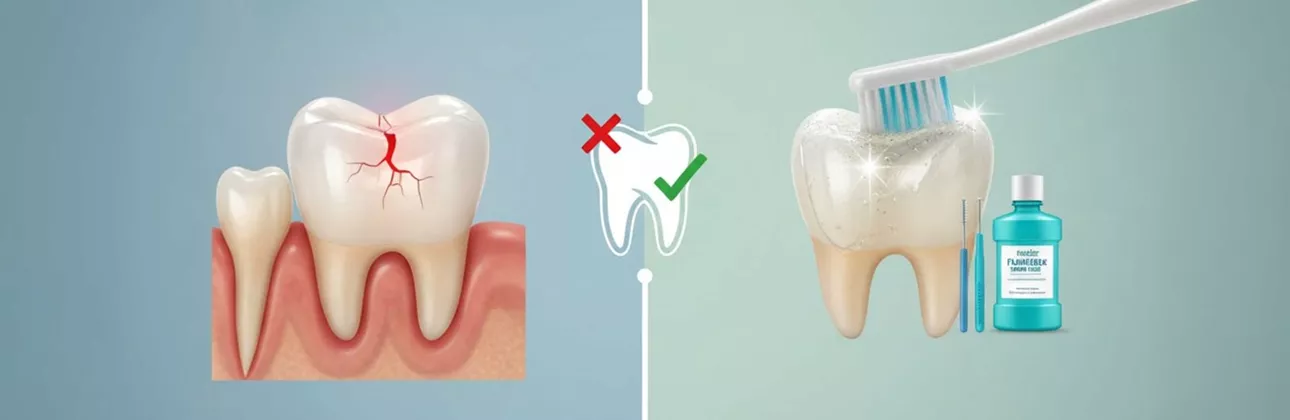
Zirconia Crown Problems and Aftercare
Common symptoms explained — and a practical care guide to protect your crown long-term.
Common Zirconia Crown Problems: What to Expect
Zirconia crowns are among the most durable restorations in modern dentistry, yet they are not completely problem-free. This guide addresses the most common zirconia crown problems and aftercare steps that patients ask about — covering pain, sensitivity, gum irritation, broken zirconia crown concerns, and a practical zirconia crown care routine for long-term protection.
Not every sensation after crown placement signals a problem. Many patients go through a short adjustment period that resolves on its own. The sections below describe the most frequently reported zirconia crown problems and what they typically indicate.
Pain & Sensitivity
Dentin exposure during tooth preparation often causes temporary sensitivity to cold, heat, or brushing. Usually eases within one to two weeks.
Bite Discomfort
A crown that sits slightly high creates uneven contact. Sharp pain when biting typically resolves with a brief occlusal adjustment appointment.
Gum Irritation
Mild tenderness at the crown margin is common for the first week. Persistent bleeding or pressure may indicate cement residue or a margin fit issue.
Broken or Chipped Crown
Veneered zirconia carries a higher chip risk than monolithic designs. Biting hard objects and unmanaged bruxism are the most common causes.
Pain and Sensitivity After Crown Placement
Tooth preparation — the process of reshaping the natural tooth to receive a crown — removes enamel and can temporarily expose the underlying dentin. This exposure is one of the most common reasons patients notice zirconia crown sensitivity to cold drinks, hot food, or brushing in the first days after placement.
In most cases, this sensitivity eases within one to two weeks as the surrounding tissues settle. If you notice that sensitivity is getting worse rather than better, or if you feel a persistent dull ache that does not improve, that pattern warrants a check-up with your dentist. Nerve irritation near the pulp, if it develops, may require further treatment.
Bite-related pain — sharp discomfort specifically when chewing or biting down — is a separate concern. It often indicates that the crown sits slightly higher than the surrounding teeth, creating uneven contact. A brief appointment to adjust the crown's occlusal surface usually resolves this quickly. Do not leave a high bite unaddressed: sustained uneven pressure can cause jaw discomfort over time.
Quick Action Guide
Even a well-fitted crown requires a brief adjustment period. Your tongue, jaw muscles, and bite pattern all adapt to the new shape and surface texture of the restoration. Most patients report that any initial awkwardness with chewing or speaking resolves within seven to fourteen days. If the bite feels off — one tooth contacting before the others, or a clicking sensation in the jaw — arrange a visit to have the crown's height checked. For questions about crown-related nerve pain, our dental crown pain and sensitivity page covers this in more detail.
Gum Irritation and Broken Zirconia Crown
Gum Irritation Around the Crown
Mild gum tenderness in the days following crown placement is common. The crown's margin sits at or just below the gumline, and the surrounding soft tissue needs time to adapt. Redness or slight swelling that settles within a week is generally part of normal healing.
Persistent gum irritation, bleeding that continues beyond the initial healing period, or a feeling of pressure at the gumline may indicate cement residue left under the gum, an ill-fitting margin, or early gum inflammation around the crown. These are zirconia crown problems that should be assessed clinically rather than monitored at home indefinitely. Brushing gently along the gumline and keeping the crown area clean is the most important thing you can do to support gum health during healing.
Broken or Chipped Zirconia Crown
Zirconia is a high-strength ceramic, but it is not indestructible. Among the documented zirconia crown problems in clinical literature, fracture risk is most relevant for veneered zirconia designs — where a porcelain layer covers the zirconia core. A broken zirconia crown of this type occurs when the outer veneer layer chips away from the underlying structure. Monolithic zirconia crowns, which are milled from a single solid block, carry a lower chipping risk because there is no separate veneer layer that can delaminate.
The behaviours most likely to produce a broken zirconia crown are: biting directly onto very hard objects such as ice, hard sweets, or pen caps; unmanaged bruxism (teeth grinding or clenching); and trauma to the face or jaw.
A chipped or cracked crown should be examined by a dentist as soon as practical. Depending on the extent and location of the damage, options may include polishing, bonded repair, or replacement. Do not attempt to file or smooth a broken crown yourself. If your crown becomes loose or fully detaches, keep it safe and contact the clinic promptly — our loose or fallen dental crown page explains what to do while you wait for your appointment.
Zirconia Crown Aftercare: Daily Care Guide
Protecting your crown does not require a complicated routine. The principles are the same as for natural teeth, with a few adjustments specific to ceramic restorations.
Brushing and Flossing with a Zirconia Crown
Use a soft-bristled toothbrush and fluoride toothpaste. How you care for a zirconia crown day to day matters more than most patients expect: avoid highly abrasive whitening toothpastes, as repeated abrasion can dull the surface gloss of the crown over time. Brush along the gumline around the crown with the same care you would apply to a natural tooth.
Flossing remains important. The junction between the crown and adjacent teeth is an area where plaque accumulates easily, and gum disease at the crown margin is one of the more preventable zirconia crown problems in the long term. Floss or use an interdental brush daily. If standard floss is difficult to use, a water flosser can be a practical alternative. Regular professional cleaning appointments allow your dentist or hygienist to monitor the crown and remove calculus in areas that are difficult to clean at home.
Foods to Avoid and Habits That Can Damage Your Crown
Zirconia crown aftercare in the first days after placement focuses on avoiding unnecessary stress on the restoration. Avoid very hard foods such as crusty bread, raw carrots, and ice. Avoid very sticky foods that could pull at a newly cemented crown. Chew on the opposite side if one area feels sensitive or uncomfortable.
Once the crown has fully settled — typically after two to three weeks — most foods are fine. The habits that carry the most long-term risk are ice-chewing, using teeth as tools, and unmanaged teeth grinding. If you grind or clench your teeth at night, a night guard is one of the most straightforward protective measures for ceramic restorations, including multilayer zirconia crowns alike. For a broader overview of zirconia crown types, see our zirconia crown treatment overview.
When to Contact Your Dentist
Most zirconia crown problems and aftercare questions can be addressed with a straightforward follow-up appointment. The situations below are ones where it is better to reach out rather than wait:
- Pain or sensitivity that worsens after the first week
- A bite that feels clearly uneven and does not improve
- Gum swelling, bleeding, or a bad taste that persists
- A visible chip, crack, or fracture on the crown surface
- The crown feels loose or has come off entirely
- Swelling, fever, or spreading discomfort — contact the clinic the same day
If you had your zirconia crown placed at CityDent Istanbul and have concerns about your recovery, contact us for a follow-up assessment. You can also explore our full post-treatment information page.
FAQ — Zirconia Crown Problems and Aftercare
How long does sensitivity last after a zirconia crown?
Sensitivity following zirconia crown placement typically eases within one to two weeks as the tooth and surrounding tissues adapt. Mild temperature sensitivity and tenderness while brushing are common during this period. If sensitivity is still present after two weeks, or if it is worsening, arrange a check-up with your dentist to identify the cause.
Is it normal for my gum to hurt after a zirconia crown?
Some gum tenderness is expected in the first several days after crown placement. The crown's margin sits close to the gumline, and the soft tissue needs time to settle. If gum discomfort persists beyond a week, or if you notice swelling, bleeding that does not improve, or a feeling of pressure at the gumline, it is worth having your dentist examine the area.
Can a zirconia crown break or chip?
Zirconia is a strong material, but it can fracture under sufficient force. Veneered zirconia designs carry a higher chipping risk than monolithic zirconia, where the crown is milled from a single solid block. The most common causes of crown fracture are biting hard objects, unmanaged bruxism, and direct trauma. If you notice any damage to your crown, have it examined promptly.
What should I avoid eating after getting a zirconia crown?
In the first few days after placement, avoid very hard foods such as ice, hard sweets, and hard-crusted bread, very sticky foods, and anything that places strong force on the newly cemented crown. Once the crown has fully settled — usually within two to three weeks — most foods are suitable. Long-term, the habits most likely to damage a zirconia crown are ice-chewing, using teeth as tools, and uncontrolled teeth grinding.
How do I care for a zirconia crown long term?
Zirconia crown care does not differ significantly from caring for natural teeth. Brush twice daily with a soft-bristled toothbrush and fluoride toothpaste, floss daily around the crown margin, and attend regular professional cleaning appointments. If you grind your teeth, a night guard provides meaningful protection. Avoid abrasive whitening pastes, which can reduce the crown's surface gloss over time.
When should I be worried about my zirconia crown?
Seek a dental assessment if you experience pain that is worsening rather than improving after the first week, a bite that feels notably uneven, gum swelling or bad taste that does not clear up, any visible chip or crack, or if the crown feels loose. Swelling alongside fever or spreading discomfort should be assessed the same day.