Sensitive Gums: Causes, Symptoms & What to Do
Sensitive gums are rarely a standalone issue — they are usually a signal from the body that something needs attention. Understanding the cause is the first step toward lasting relief.
Information page · Reviewed by Dt. Çağdaş Aycan — CityDent Istanbul
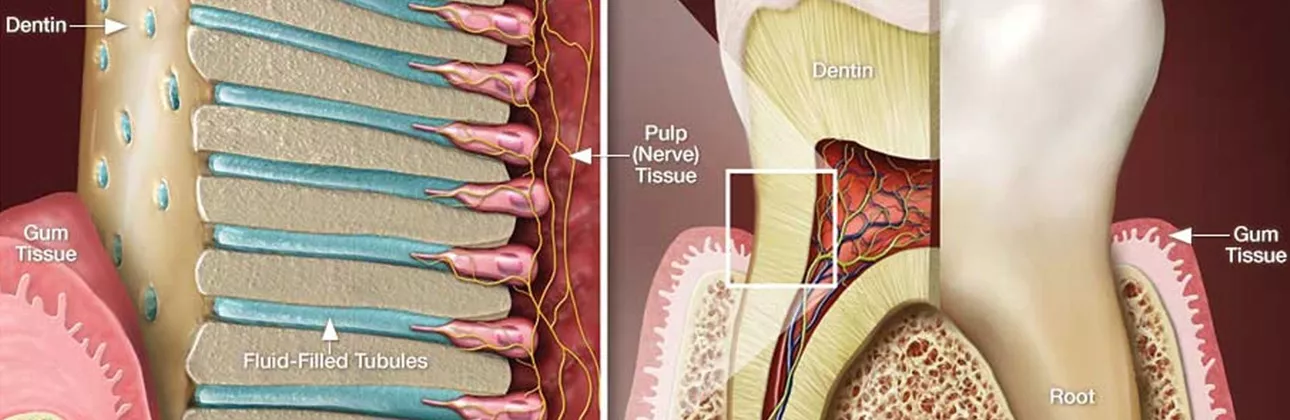
How Do You Know Your Gums Are Sensitive?
Gum sensitivity tends to make itself known during everyday routines. Patients often describe tender gums that react to temperature, pressure, or certain foods. In some cases, gums feel numb or produce a tingling sensation — particularly after eating cold or acidic foods, a pattern sometimes referred to as gums numbness and tingling.
- Discomfort while brushing or flossingPain during cleaning often indicates inflamed or exposed gum tissue.
- Reaction to hot or cold food and drinksA sharp or stinging sensation when consuming temperature-sensitive items.
- Visible redness or swellingInflamed or puffy gums are a visible sign of irritation or early gum disease.
- Bleeding during brushing or eatingFrequent bleeding should not be dismissed as normal.
- A sensation that your gum feels numbAn unusually numb gum or sensitivity to touch can indicate reduced circulation or early nerve involvement and warrants investigation.
- Tingling on contact with spicy or salty foodsThe gum lining may be compromised if certain foods consistently provoke discomfort.
Any combination of these symptoms, particularly if persistent, warrants a dental evaluation.
What Causes Gum Sensitivity?
Several conditions and habits can make gums sensitive. Identifying the correct cause determines the appropriate treatment — and what the specific gum sensitivity causes are for you.
- Gum Inflammation (Gingivitis)Bacterial plaque accumulating along the gum line triggers inflammation. Without proper cleaning and professional scaling, gingivitis can progress to periodontitis — a more severe form of gum disease treatment in Istanbul that involves bone loss. Painful gums treatment at this stage typically involves professional scaling and root planing.
- Aggressive BrushingBrushing too hard, or using a hard-bristled brush, gradually damages gum tissue and accelerates recession. This mechanical trauma is among the more preventable causes of sensitivity.
- Gum RecessionWhen gum tissue pulls away from the tooth, it exposes the root surface — which lacks enamel protection. Exposed roots are highly reactive to temperature and pressure. Gum Recession Treatments Turkey Istanbul addresses both cosmetic and clinical aspects.
- Teeth Grinding and Clenching (Bruxism)Chronic grinding or clenching places sustained pressure on the periodontal ligaments and surrounding gum tissue, causing persistent sensitivity.
- Hormonal ChangesFluctuations during pregnancy, menstruation, or menopause alter how gum tissue responds to bacteria, increasing susceptibility to inflammation.
- Certain MedicationsSome medications reduce saliva production, leaving numb gums or sore gum tissue more vulnerable. This aspect of gum sensitivity remedies — managing dry mouth — should be discussed with your treating dentist.
- Dietary TriggersAcidic, spicy, or very hot/cold foods aggravate already-compromised tissue. Avoiding these provides meaningful tender gums relief while the underlying cause is treated.
When Should You See a Dentist?
Occasional mild sensitivity may settle with improved oral hygiene. The following signs indicate that professional assessment should not be delayed:
- Sensitivity or pain that persists beyond a few days or gradually worsens
- Visible gum recession or changes in gum contour
- Frequent bleeding during brushing or eating — see our guide on why gums bleed for more context
- Chronic bad breath or a persistent unpleasant taste
- Any loosening of teeth or a shift in how teeth bite together
- Persistent numbness in gums or a recurring sensation that gums feel numb — this can indicate a vascular or neurological issue that a dentist should assess
Early diagnosis typically means simpler, more conservative treatment. Left unaddressed, conditions such as gingivitis and recession tend to progress. Sensitive gums treatment in Istanbul is considerably less invasive when caught early.
What Actually Helps Sensitive Gums?
There is no single remedy — effective management depends on the cause. The following approaches address the most common scenarios for sensitive gums treatment in Istanbul and elsewhere:
- Adjust Your Brushing TechniqueSwitching to a soft-bristled brush and using gentle, circular motions removes plaque effectively without traumatising gum tissue. A simple first step regardless of cause.
- Floss DailyConsistent daily flossing reduces bacterial load, which directly lowers gum inflammation and sensitivity in most cases.
- Use Appropriate ToothpasteToothpaste formulated for sensitive teeth and gums can reduce discomfort over time. Avoid highly abrasive whitening formulas if your gums are already reactive.
- Address Bruxism with a Night GuardA custom night guard protects the gum line from nocturnal clenching forces. An over-the-counter tray rarely provides adequate protection — this requires a dentist to fabricate.
- Attend Regular Professional CleaningsScaling removes hardened plaque (tartar) that cannot be cleared at home. For patients with active gingivitis, more frequent cleaning cycles are typically recommended.
- Follow Your Dentist's Guidance on Pain ReliefFor acute discomfort, follow your dentist's guidance on appropriate pain relief options. Self-medicating without identifying the cause can mask symptoms while the underlying condition progresses.
Foods and Habits That Make Gum Sensitivity Worse
Certain dietary and lifestyle factors consistently aggravate sensitive gums. Reducing or eliminating these provides meaningful symptomatic relief while the underlying cause is treated:
- Temperature extremes — very hot or cold food and drinks directly irritate inflamed gum tissue
- Acidic foods — citrus fruits, vinegar-based dishes, and carbonated drinks increase erosion risk at already-sensitive margins
- Spicy foods — chili and similar ingredients can provoke a stinging reaction in compromised gum tissue
- Hard or crunchy foods — nuts, crisps, and crusty bread can mechanically irritate or damage sensitive areas
- Tobacco use — smoking impairs gum tissue blood supply and healing capacity, making sensitivity worse over time
- Excessive sugary snacks and beverages — sugar feeds the bacteria responsible for plaque and inflammation
Gum Sensitivity vs Tooth Sensitivity
These are distinct conditions that can overlap, and they are sometimes confused. Understanding the difference helps identify the right treatment path.
| Feature | Gum Sensitivity | Tooth Sensitivity |
|---|---|---|
| Origin | Gum tissue (gingival margin) | Inside the tooth (dentine/nerve) |
| Pain character | Diffuse, aching, persistent | Sharp, brief, localised |
| Visual signs | Redness, swelling, bleeding | Usually none visible |
| Triggers | Brushing, pressure, spicy/acidic food | Temperature, sweet, acidic stimuli |
| Common causes | Gingivitis, recession, bruxism | Enamel erosion, decay, fracture |
| Treatment | Periodontal care, hygiene adjustment | Restorative treatment, fluoride, bonding |
In practice, the two conditions frequently coexist: gum recession exposes root dentine, producing both gum-level and tooth-level sensitivity simultaneously. For patients with crowns, our guide on tooth and gum sensitivity after crowns addresses this intersection specifically. A clinical examination is the most reliable way to distinguish the cause and select the appropriate treatment.
Frequently Asked Questions
-
Can sensitive gums go away on their own?
Mild sensitivity linked to a temporary irritant — a new oral care product, minor trauma, or a short-lived hormonal fluctuation — may resolve without intervention. Persistent sensitivity that lasts more than a week, or recurs regularly, typically indicates an ongoing condition that requires professional assessment.
-
Is gum sensitivity a sign of gum disease?
It can be. Sensitivity is frequently one of the earliest indicators of gingivitis. Not all gum sensitivity is gum disease, but persistent symptoms — particularly when accompanied by bleeding or swelling — warrant evaluation. Early-stage gum disease treatment in Istanbul is considerably less invasive than treatment at later stages.
-
Can whitening toothpaste cause gum sensitivity?
Yes. Many whitening toothpastes contain abrasive agents that can irritate already-sensitive gum tissue. If you notice increased sensitivity after switching to a whitening product, try a toothpaste designed specifically for sensitive teeth and consult your dentist before continuing whitening treatments.
-
Does stress affect gum sensitivity?
Indirectly, yes. Elevated stress can suppress immune function, making gum tissue more susceptible to bacterial infection and inflammation. Stress also commonly leads to teeth grinding and disrupted sleep, both of which place additional load on gum tissue. Managing these secondary effects is an important part of comprehensive gum sensitivity care.
-
What foods should I avoid if my gums are sensitive?
Prioritise avoiding temperature extremes, acidic foods (citrus, vinegar-based dishes), and highly spicy or crunchy items. Tobacco and excessive sugar intake compound gum inflammation over time and should be reduced regardless of sensitivity level.