How to Tell If Someone Has Veneers
Have you ever admired someone's smile and wondered — are those natural teeth, or veneers? Knowing how to tell if someone has veneers is not always straightforward. Modern dental veneers are designed to look remarkably natural, and when placed well, their veneers appearance is virtually indistinguishable from real teeth.
Signs That Someone May Have Veneers
The most reliable way to tell if someone has veneers is to look for a combination of features — no single sign is conclusive. When you understand the key natural teeth vs veneers differences, the clues become easier to read.
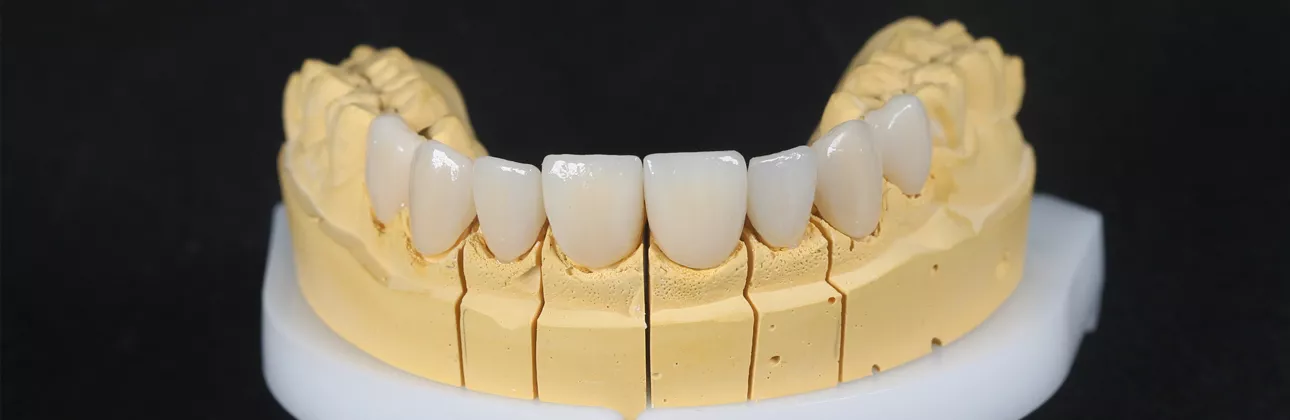
- Perfect uniformity in shape and sizeNatural teeth carry small individual variations: slight size differences, minor rotations, uneven spacing. When all front teeth appear perfectly identical in shape, length, and alignment, it tends to suggest cosmetic work. This is the most accessible method for how to spot veneers without clinical training.
- Shade consistencyNatural teeth vary in colour along the arch. When every tooth shares the same bright, even shade across the entire smile, this is a strong veneers appearance cue. Advanced whitening can produce comparable results, so shade alone is not conclusive.
- Opacity and translucencyThe edges of natural teeth typically allow a degree of light to pass through. Some veneers appear slightly more opaque at the tips. Part of why people ask: can you tell if someone has veneers when they are done well? Often, genuinely not.
- Gum-line transitionWhere a veneer meets the gum, there is sometimes a barely visible ridge or a faint colour difference. This distinction is central to understanding natural teeth vs veneers in clinical detail.
- Surface textureReal teeth have subtle surface variation — micro-ridges, slight matte zones. Highly polished veneers can appear more uniformly smooth and glassy under direct light. This difference between veneers vs real teeth is most visible in direct-flash photographs.
Natural Teeth vs Veneers: What Actually Differs
Understanding the core structural differences helps explain why veneers look the way they do — and why so many patients ask how to tell if someone has veneers in the first place.
Natural teeth are living structures. Enamel has layers of varying mineralisation, and the underlying dentine gives teeth their warmth and depth. This layered biology creates the characteristic translucency and natural variation that cosmetic dentistry tries to replicate.
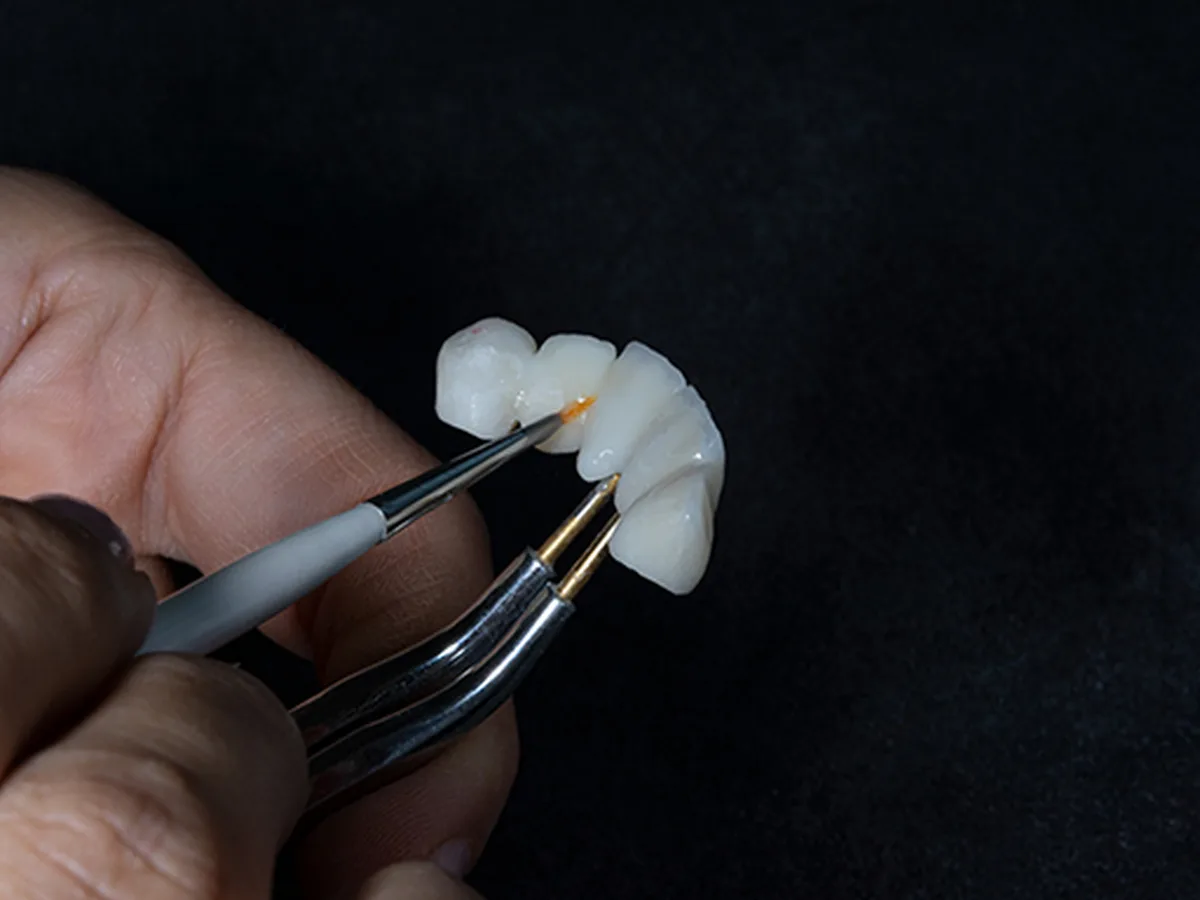
Veneers — whether porcelain or composite — are thin restorations bonded to the front surface of the tooth. Porcelain veneers are fabricated in a dental laboratory, where a skilled ceramist layers feldspathic porcelain or lithium disilicate to mimic enamel depth. When shade selection, shape design, and craftsmanship align, the result can closely match natural tooth appearance. This is why spotting dental veneers purely by eye is genuinely difficult with high-end work.
The key variable is not the material — it is the combination of clinical skill, patient shade consultation, and laboratory technique. At Citydent Istanbul, veneers are designed collaboratively with the patient, using shade guides and digital smile previews to ensure the outcome suits the individual's skin tone and remaining natural teeth. For further reading on what can go wrong aesthetically, our guide on why do veneers look fake covers the most common causes in detail.
How to Tell Veneers from Real Teeth in Daily Life
If you want to know how to tell if someone has veneers in everyday conversation, observe a few consistent signals:
- Do all the front teeth share exactly the same shade — or is there the usual variation of a natural arch?
- Are the incisal edges perfectly straight and parallel, or do they follow the natural slight curve of the lower lip?
- Is there any shadow or depth visible between teeth, or do they appear as a single flat plane?
- Under different lighting — natural, indoor, flash photography — does the veneers appearance stay consistent, or do individual teeth shift slightly in tone as natural enamel would?
None of these observations is individually conclusive. Can you tell if someone has veneers when the work is done at the highest level? Often, no — and that is the point. High-quality veneers placed by an experienced clinician can answer each of these checks in a way that is indistinguishable from natural teeth.
How to Make Sure Your Veneers Look Natural
If you are considering veneers and want to ensure a natural result, the planning phase matters as much as the clinical execution. The goal is a veneers appearance that looks entirely natural at every angle — in conversation, in photographs, and in different lighting.
- Shade selectionExtremely bright shades can look striking in photographs but may appear unnatural in everyday life, particularly against certain skin tones. Shade selection should account for the patient's complexion, the colour of adjacent natural teeth, and personal preference. Our tooth colour for veneers Istanbul guide explains the shade-matching process in detail.
- Shape and length customisationEach tooth in a natural arch has a slightly different character — minor asymmetries that the eye reads as authentic. A well-planned veneer set introduces deliberate subtle variation across the arch. This is the most effective technique for achieving veneers vs real teeth parity that passes casual inspection.
- Translucency effectsRequesting incisal characterisation — where the ceramist adds subtle translucency into the tips — makes the restoration behave like natural enamel under light.
- Blending with remaining natural teethColour-matching and edge-design need to be precise enough that treated and untreated teeth form a continuous aesthetic unit.
At Citydent Istanbul, cosmetic planning is a collaborative process — the treating dentist, the patient, and the laboratory technician agree on shape, shade, and finish before any preparation begins. If you are weighing options, our comparison of porcelain veneers Turkey versus dental bonding vs veneers may help you decide which approach suits your situation.
Frequently Asked Questions
-
Can you always tell if someone has veneers?
Not always. High-quality veneers placed by an experienced dentist and crafted by a skilled laboratory technician can be virtually indistinguishable from natural teeth. The combination of correct shade selection, individualised shape design, and surface characterisation makes spotting dental veneers genuinely difficult — even for dental professionals in some cases.
-
What is the easiest visual clue when spotting dental veneers?
The most common giveaway is uniform shade and shape across the entire front arch. Natural teeth vary in colour, translucency, and size. When every tooth appears perfectly matched in a single consistent shade with identical proportions, cosmetic work is likely — though this could also reflect crowns or high-end composite bonding rather than veneers specifically.
-
Do veneers look different in photographs compared to real life?
High-quality veneers generally maintain their appearance under various lighting conditions, including camera flash. Older or lower-quality restorations can appear more reflective or opaque in flash photography due to their surface finish. Modern lithium disilicate and layered porcelain veneers are designed to behave like natural tooth enamel under different light sources — part of what makes answering how to tell if someone has veneers so difficult today.
-
How do high-quality veneers differ from cheaper ones in veneers appearance?
The primary difference is in the layering, characterisation, and surface texture of the porcelain. Premium laboratory work involves hand-layering porcelain to replicate enamel depth, adding incisal translucency, and finishing with texture that scatters light the way natural enamel does. Lower-cost restorations are often monolithic — pressed as a single block — and can appear more uniformly opaque and glassy.
-
Do veneers change appearance over time?
Porcelain veneers are highly resistant to staining and generally maintain their initial appearance for many years with proper care. Composite veneers, by contrast, can absorb pigment from food and beverages over time and may require polishing or replacement to restore their original appearance. For a fuller comparison of how veneers vs real teeth age differently, see our guide to dental bonding vs veneers.
-
What shade of veneers looks most natural?
Shades in the A2–B2 range of the Vita shade guide tend to read as natural for most patients. The most natural result comes from selecting a shade that harmonises with the patient's skin tone, eye colour, and the colour of any remaining natural teeth — a decision made in consultation with the treating dentist. For a full guide, see our tooth colour for veneers Istanbul page.