Crown Care
Dental Crown Pain & Sensitivity
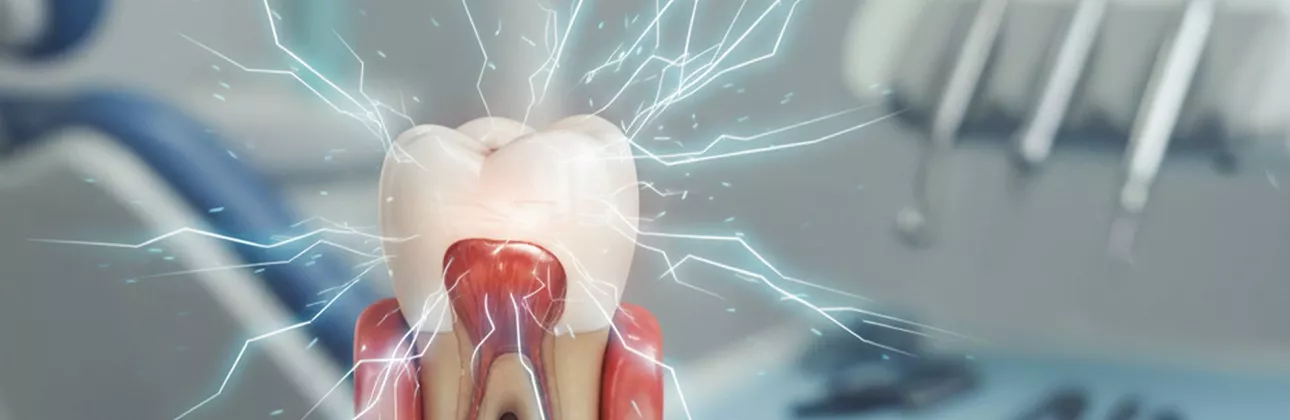
Pain or sensitivity after a dental crown is one of the most common concerns patients raise after a restorative procedure. Understanding whether dental crown pain is part of normal healing — or a signal worth investigating — helps you make informed decisions about your next step.
What to Expect
Is Pain After a Dental Crown Normal?
Some degree of sensitivity or mild discomfort in the days following crown placement is a recognised part of the healing response. The tooth and surrounding tissue have been through a clinical procedure, and they need time to settle.
Whether the crown replaces a damaged tooth, covers a root canal–treated tooth, or forms part of a bridge, the type and duration of dental crown pain you experience often depends on the underlying clinical picture. Most mild dental crown pain resolves within a few days to two weeks without intervention.
If sensitivity is worsening rather than improving, or if you notice pain when biting, persistent pressure, or discomfort that disturbs sleep, these are signals your dentist should assess.
Recovery Timeline
How Long Does Crown Pain Last?
In most cases, mild soreness and crown sensitivity following placement ease within three to seven days. For teeth that were heavily restored, or where the nerve was close to the preparation margin, a settling period of up to two weeks is not unusual.
Dental crown pain that increases beyond this window, or that appears weeks or months after the crown was placed, is not a normal part of healing and warrants a clinical review. Causes in these cases can include bite imbalance, marginal gaps, or, less commonly, nerve-related changes within the tooth.
Clinical Factors
Common Causes of Crown Pain and Sensitivity
Dental crown pain typically has a clear clinical explanation. The most frequently identified causes are set out below, along with what each means for your recovery.
-
High Bite (Occlusal Imbalance) A crown that sits fractionally higher than the surrounding teeth creates pressure every time you close your mouth. Chewing pain, soreness when biting, and jaw tension are common signs. A straightforward adjustment by your dentist usually resolves dental crown pain from this cause quickly.
-
Close-to-Nerve Preparation When the underlying tooth structure requires significant reduction to accommodate the crown, the nerve inside the tooth may temporarily become more reactive. This type of dental crown pain usually settles on its own; in a minority of cases, root canal treatment is needed.
-
Marginal Gap or Poor Fit A poorly sealed crown margin allows bacteria and fluids to reach the tooth beneath, which can trigger sensitivity or, over time, recurrent decay. This type of dental crown pain tends to develop gradually and is typically confirmed with X-rays.
-
Gum Tissue Irritation Mild gum soreness around the crown is common in the first week and is usually caused by temporary tissue inflammation from the procedure. Persistent bleeding, swelling, or recession may indicate a fit issue worth reviewing.
-
Infected or Inflamed Nerve If the tooth had existing decay or trauma before the crown was placed, the nerve may become inflamed beneath the restoration. Throbbing dental crown pain at night and sensitivity to heat are characteristic signs. Root canal treatment is typically required.
-
Teeth Grinding (Bruxism) Patients who grind or clench at night place significant cyclical force on crowns. This can cause crown sensitivity, chipping, and jaw discomfort. A night guard may be recommended as part of your treatment plan.
-
Temporary Crown Sensitivity When a temporary crown is in place, sensitivity to cold, sweet, and pressure is common. This typically resolves once the permanent crown is cemented and the tooth settles.
For guidance on the settling-in period after a new restoration, see our page on adjusting to a dental crown.
Material Considerations
Zirconia Crown Pain: What to Expect
Zirconia crowns are widely used because of their strength and biological compatibility. From a sensitivity standpoint, zirconia transmits thermal stimuli less readily than metal-ceramic alternatives, which can reduce the experience of hot and cold sensitivity for some patients.
Zirconia dental crown pain can still occur if the bite is not perfectly balanced after cementation, or if the tooth beneath has existing nerve sensitivity or a marginal fit issue. The material itself is rarely the direct cause; the underlying clinical situation is the more relevant factor.
If you are experiencing dental crown pain with a zirconia restoration, your dentist should assess bite alignment and crown margins before any other intervention. For patients considering crown treatment in Istanbul, a review of the clinical preparation and fit is the most productive starting point. Learn more about monolithic zirconia crowns and zirconia-based porcelain crowns.
Gum and Tooth Pain
Gum Pain and Pain Beneath the Crown
Gum discomfort around a newly placed crown typically reflects temporary tissue inflammation. Rinsing with warm salt water and using a soft-bristled toothbrush around the crown margin is usually sufficient during the settling period.
Pain specifically beneath the crown — rather than at the gum line — generally points to one of three situations: nerve irritation from the preparation, pressure from an unbalanced bite, or a problem with an existing restoration beneath the crown (such as a leaking filling or residual decay). X-ray evaluation is the standard first step in identifying the cause of dental crown pain in these cases.
Persistent gum bleeding, swelling, or a bad taste around the crown may indicate a fit issue or localised infection. These findings should be reviewed promptly by your dentist.
Warning Signals
When Should You Contact Your Dentist?
Most dental crown pain resolves without intervention. The following signs suggest a clinical review is appropriate.
- Throbbing or severe pain that does not ease within a week
- Pain that wakes you at night or is present without any stimulus
- Sensitivity to heat that lingers for more than a few seconds
- Gum swelling, pus, or persistent bleeding around the crown
- A crack or movement sensation beneath the crown when biting
- Bad taste or odour from the area around the crown
- Pain in a tooth that has already had root canal treatment
If you are a patient at CityDent Istanbul Dental Clinic and are experiencing any of the above, contact our team directly for a clinical assessment.
Frequently Asked Questions
Frequently Asked Questions About Crown Pain
How long does dental crown pain typically last?
Mild discomfort and sensitivity following crown placement usually subside within three to seven days. If dental crown pain persists beyond two weeks or is increasing rather than decreasing, your dentist should evaluate the crown and the underlying tooth.
Why does my crown hurt when I bite down?
Pain on biting is most commonly caused by a high bite — the crown sitting slightly too high in the mouth. Your dentist can check and adjust the occlusion in a short appointment. Persistent biting pain that does not improve with adjustment may indicate a deeper issue such as nerve irritation.
Can dental crowns cause pain years after placement?
Yes. Dental crown pain appearing years after placement is typically caused by marginal gaps that have allowed bacteria to reach the tooth, recurrent decay, gum recession exposing the root surface, or a cracked tooth beneath the restoration. A clinical review with X-rays can identify the cause.
What does it mean if my gum bleeds around the crown?
Mild gum bleeding in the first few days after placement is usually related to temporary tissue irritation. Bleeding that continues beyond a week, or bleeding associated with swelling or discomfort, may indicate a fit issue or developing gum disease around the crown margin. This should be assessed by your dentist.
Is zirconia crown pain different from porcelain-fused-to-metal?
The clinical causes of dental crown pain are broadly similar for both materials — bite imbalance, nerve sensitivity, and marginal fit issues apply regardless of crown type. Zirconia transmits temperature changes less readily than metal, so thermal sensitivity may differ between the two. For a detailed comparison, see our information on PFM crowns.
Does teeth grinding affect crown pain?
Yes. Bruxism places significant repeated load on crowns and the underlying tooth, which can cause soreness, crown sensitivity, and accelerated wear. If you grind your teeth, your dentist may recommend a night guard to protect your restoration.
When is crown pain a sign of infection?
Signs that dental crown pain may be related to infection include throbbing pain, heat sensitivity that lingers, pain at night without provocation, and visible swelling or pus at the gum line. These findings require prompt clinical review. An X-ray can confirm whether the tooth nerve is involved and whether root canal treatment is indicated.
The information on this page is for general guidance only. Every patient's clinical situation is different, and the most accurate assessment can only be made following an examination by a qualified clinician. If your pain is increasing, swelling is severe, or you have a fever, contact your treating dentist promptly.