Composite Bonding Istanbul
Composite bonding Istanbul is one of the fastest routes to a more even, natural-looking smile — without drilling, crowns, or lengthy treatment plans. At Citydent, the procedure is completed chair-side in a single appointment, using tooth-matched resin sculpted and cured directly on the tooth surface.
Treatment time: 30–60 minutes per tooth. No enamel removal in most cases.

What Is Composite Bonding and When Is It the Right Choice?
Composite bonding is a minimally invasive cosmetic procedure in which tooth-coloured resin is applied, shaped, and light-cured directly onto the natural tooth surface. Unlike porcelain veneers, composite bonding Istanbul requires little to no enamel removal, making it a fully reversible option for patients who want visible results without permanent commitment.
The dental bonding procedure is typically chosen when the concern is cosmetic rather than structural — minor chips, small gaps, mild discolouration, or uneven tooth length. If the underlying teeth are healthy and the desired correction is modest, istanbul composite bonding is often the most efficient and least invasive path.
Bonding is not the best route for every case. Patients with significant misalignment, heavy bite pressure on back teeth, or staining too deep for resin to mask reliably may find that porcelain veneers Istanbul or a different restorative approach delivers better long-term results. Your dentist will assess bite, tooth condition, and aesthetic goals at consultation before confirming composite bonding Istanbul as the right treatment.
Cosmetic Problems Composite Bonding Can Correct
Composite bonding Istanbul addresses a specific range of visible dental concerns affecting front teeth and the smile zone. These are the most common indications where teeth bonding Istanbul at Citydent is applied:
- Chipped or cracked teethResin fills and reinforces small fractures, restoring tooth shape and preventing further micro-damage.
- Gaps between front teethBonding adds volume to adjacent tooth surfaces to close diastemas without orthodontic treatment.
- Mild discolourationWhen professional whitening cannot fully address staining, a resin layer covers the affected area with a precisely shade-matched material.
- Uneven tooth lengthWorn or naturally short teeth are extended to create a more balanced, symmetrical smile line.
- Minor contouring issuesTeeth that are slightly too narrow or oddly shaped can be widened or reshaped using tooth bonding techniques.
Bonding works best on front teeth in a low-bite-pressure zone. It is not recommended for molars or areas under heavy chewing force, where ceramic restorations are more durable.
How Composite Bonding Istanbul Is Performed — Step by Step
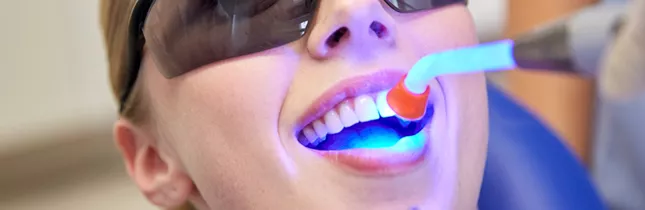
The full composite bonding Istanbul procedure at Citydent follows a structured dental bonding procedure sequence to ensure both longevity and aesthetic precision:
- Consultation and assessment
The dentist reviews your bite, existing tooth structure, and the specific concerns you want corrected. Photographs are taken to plan shade and shape.
- Shade matching
A professional shade guide is used to select a composite resin colour that matches your natural teeth under various lighting conditions.
- Surface preparation
In most cases, only minimal or no enamel is removed. A mild etching gel is applied to create micro-retention for the bonding agent.
- Bonding agent application
A thin adhesive layer is applied and briefly cured with a UV lamp.
- Resin sculpting
The composite material is applied in layers and carefully shaped by hand — requiring both technical precision and an eye for natural tooth anatomy.
- UV curing
Each layer is hardened with a curing light before the next is added.
- Polishing and final shaping
The bonded surface is refined and polished to match natural enamel translucency.
- Bite check
Final occlusal assessment confirms the bonded teeth do not interfere with your natural bite. Most patients describe the procedure as comfortable — anaesthesia is not routinely required.
Colour Matching — How Composite Bonding Istanbul Blends with Natural Teeth
One of the clinical strengths of composite bonding Istanbul is the range of available shades and the ability to customise translucency and surface texture in the same appointment. At Citydent, shade selection is done before any preparation begins, using a full shade guide under natural and clinical lighting.
Well-matched composite resin is visually indistinguishable from natural enamel on front teeth, particularly when the surface is polished to the right gloss level. The degree of match depends on the shade range available in the material, the skill of the clinician, and the complexity of the existing tooth colour.
Patients should note that composite resin does not respond to tooth whitening treatments after it has been placed. If you are planning a whitening course, it is advisable to complete it before composite bonding Istanbul, so the resin shade can be matched to your post-whitening tooth colour.
Composite Bonding vs Veneers — Which Is the Better Choice for You?
Both composite bonding Istanbul and porcelain veneers Istanbul are used to improve the appearance of front teeth. Comparing bonding vs veneers shows that composite bonding turkey istanbul is the more affordable, reversible option — while veneers deliver a longer lifespan and superior stain resistance.
When patients ask about composite bonding istanbul price, the answer depends on the number of teeth treated, but composite bonding turkey istanbul consistently costs significantly less than ceramic veneer alternatives for equivalent coverage.
| Factor | Composite Bonding Istanbul | Porcelain Veneers |
|---|---|---|
| Material | Direct composite resin, applied chair-side | Lab-fabricated porcelain shell |
| Enamel removal | Minimal to none — reversible | Required — irreversible |
| Treatment time | Single appointment | 2–3 appointments |
| Lifespan | 3–8 years with good care | 10–20 years |
| Stain resistance | Moderate — can discolour over time | High — glazed surface resists staining |
| Repairability | Can be repaired chair-side | Requires lab replacement if damaged |
| Cost | Lower | Higher |
| Reversibility | Reversible | Irreversible |
For a full overview of veneer options, see our composite veneers page.
How Long Does Composite Bonding Last — and How to Protect It
With careful use, composite bonding Istanbul typically lasts between 3 and 8 years before a touch-up or replacement is needed. Lifespan varies depending on bite habits, the location of the bonded teeth, and the consistency of oral hygiene.
- Biting hard objectsPlacing stress on the resin-enamel junction can cause chipping — avoid ice, pen lids, fingernails, and hard bread crusts.
- Teeth grinding (bruxism)Patients who grind at night place sustained pressure on bonded surfaces; a night guard is often recommended to protect the work.
- Staining agentsCoffee, tea, red wine, and tobacco cause gradual colour change in composite resin over time. Staining progresses faster without regular professional cleaning.
- Poor oral hygienePlaque accumulation around the bonded margin can lead to discolouration at the edge and, over time, secondary decay.
For full guidance on bonding aftercare, see our dental bonding aftercare instructions page. Routine check-ups at Citydent allow early detection of any wear or edge lifting that can be corrected with a simple chair-side refinish.
When Another Treatment May Be More Appropriate
Composite bonding Istanbul is a highly versatile cosmetic procedure, but it is not always the best-fit solution. The following situations typically point toward a different treatment route:
- Extensive structural damageA tooth that is heavily decayed or fractured beyond the enamel layer requires a crown rather than a cosmetic bonding approach.
- Severe or deep stainingSome intrinsic staining is too dense for composite resin to mask convincingly. Porcelain veneers provide a more reliable colour correction in these cases.
- Long-span smile redesignIf more than 6 to 8 front teeth need significant reshaping simultaneously, a full smile design using ceramic restorations may deliver more consistent outcomes.
- Significant misalignmentWhen gaps or crowding are the result of underlying tooth position rather than size, orthodontic treatment should be evaluated first.
- High bite-stress zonesMolars and premolars under heavy occlusal load are better served by ceramic inlays, onlays, or crowns.
No treatment plan is confirmed without a full clinical assessment. You may also find it useful to explore our Hollywood Smile Istanbul or teeth whitening Istanbul pages for further context.
Frequently Asked Questions About Composite Bonding Istanbul
Is composite bonding painful?
Composite bonding Istanbul is typically performed without anaesthesia, as no drilling or enamel removal is required in most cases. The process involves gentle surface etching and resin application, which most patients describe as entirely comfortable. If a pre-existing chip or cavity is being addressed alongside the cosmetic work, the dentist may apply local anaesthetic for that specific area.
How long does composite bonding last?
With normal care, composite bonding Istanbul lasts approximately 3 to 8 years. Lifespan is influenced by bite habits, the location of the bonded teeth, and how well daily oral hygiene is maintained. Patients who grind their teeth or regularly consume heavily pigmented food and drink may see shorter intervals between touch-ups.
Can I eat normally after composite bonding?
Yes — composite resin is fully hardened by UV light during the procedure, so there is no waiting period before eating. In the first 24 hours, it is advisable to avoid very hard, crunchy, or sticky foods. Long-term, avoiding biting directly into hard objects protects the resin-enamel junction from chipping.
Does composite bonding stain over time?
Composite resin is more porous than natural enamel and can absorb pigment gradually from coffee, tea, red wine, and tobacco. Surface staining is usually manageable with professional cleaning and periodic polishing. Significant colour change after several years is a common reason for patients to have bonding replaced or upgraded.
What is the difference between composite bonding and a filling?
Both procedures use composite resin, but the dental bonding procedure purpose differs from a filling. A filling restores tooth structure lost to decay — it is a functional treatment placed within the tooth. Composite bonding Istanbul is a cosmetic procedure applied to the outer surface to change shape, length, or colour. The aesthetic standard and shade-matching process of bonding work are held to a higher visible standard.
Is composite bonding reversible?
Yes. Because composite bonding Istanbul requires no enamel removal in most cases, the original tooth surface remains intact underneath. The resin can be polished off by a dentist if you decide to move to a different treatment, such as porcelain veneers, or simply wish to return to your natural tooth appearance.