VENEER AFTERCARE GUIDE
After Veneer Treatment Care
Your veneers are in place — the after veneer treatment care you give them now determines how long they last and how comfortable the transition feels.

FIRST 48 HOURS
What to Expect in the First 48 Hours
The first two days after veneer placement are an adjustment period. Some degree of sensitivity to temperature — particularly cold drinks — is entirely normal and typically settles within a week. You may also notice that your bite feels slightly different as your mouth adapts to the new thickness of the restorations.
Mild gum tenderness around the margins of the veneers is common during this window. The gum tissue needs time to settle against the newly placed porcelain edges. If tenderness persists beyond a few days, let your dentist know. For any discomfort during this period, follow your dentist's guidance on pain relief — do not self-medicate with anything not discussed at your appointment.
Avoid very hot or very cold foods and beverages for the first 48 hours. Chew gently and favour the other side of your mouth if one area feels more sensitive. These are short-term after veneer treatment care precautions, not permanent restrictions.
DAILY CARE
Daily Habits That Protect Your Veneers
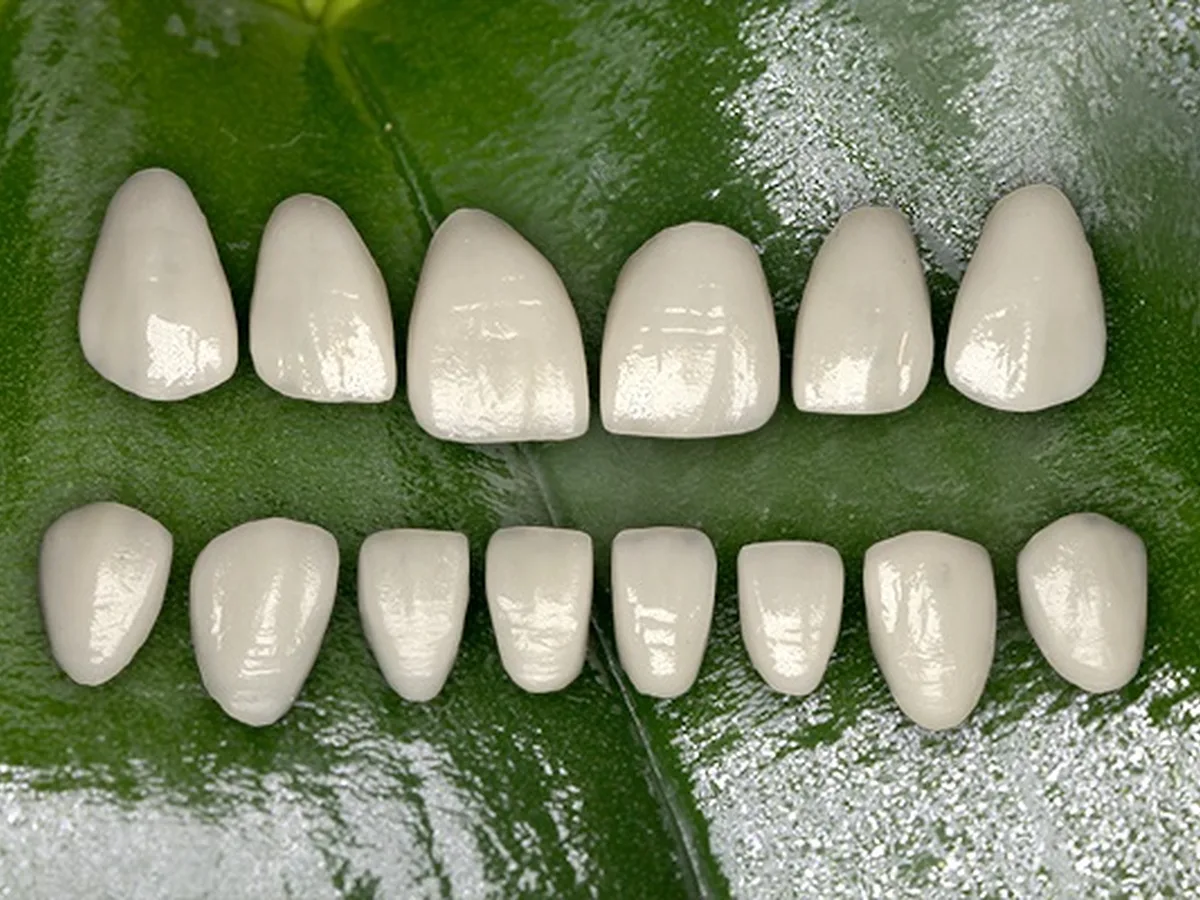
Good after veneer treatment care starts with the right daily habits. Porcelain veneers are durable, but they respond well to consistent care. The habits you establish in the first weeks tend to become permanent — which works in your favour.
- BrushingUse a soft-bristled toothbrush and a non-abrasive toothpaste. Abrasive whitening toothpastes can dull the surface of porcelain over time. Brush gently in circular motions, paying attention to the gum line where the veneer meets the tooth.
- FlossingFloss daily, sliding the thread carefully rather than snapping it against the gum line. This keeps the margins clean and reduces the risk of gum inflammation around the veneers.
- MouthwashAn alcohol-free mouthwash is preferable. High-alcohol rinses can, over time, affect the bonding resin that holds the veneer in place. Ask your dentist for a recommendation that suits your overall oral health.
Maintaining these habits as part of your after veneer treatment care routine in Istanbul means protecting an investment that, with proper care, can last well over a decade.
DIET GUIDANCE
Foods and Drinks to Avoid After Veneers
Caring for veneers is not a drastic dietary change, but a few categories deserve attention:
- Hard and crunchy foodsBiting directly into very hard foods — crusty bread, hard sweets, raw carrots bitten off in large pieces — places shear stress on veneers. Cut firm foods into smaller pieces before eating.
- Staining substancesPorcelain is stain-resistant, but the bonding margins are not. Coffee, red wine, tea, and dark sauces consumed frequently can gradually affect the margins. Rinse with water after consuming these.
- Sticky foodsCaramel, chewing gum, and similar sticky substances can place lateral stress on the bond. Minimising these, especially in the first weeks, is good after veneer treatment care practice.
- Highly acidic foodsFrequent exposure to citrus juices and carbonated drinks can affect the enamel around the veneer margins. Moderate consumption and rinsing with water afterwards are sensible precautions.
None of these are absolute prohibitions — the goal is to be mindful rather than restrictive.
SENSITIVITY
Managing Sensitivity After Veneer Placement
Proper after veneer treatment care includes managing sensitivity, which is one of the most common concerns patients raise in the weeks following placement. Veneer sensitivity after treatment is normal in the early weeks and almost always resolves on its own.
The preparation process involves removing a thin layer of enamel from the tooth surface. While the amount removed for modern ultra-thin veneers is minimal, the newly placed restoration needs time to fully integrate with the bite and surrounding tissues. Sensitivity to cold, sweet foods, and changes in pressure is the tooth's natural response during this period.
If you experience sensitivity:
- Use a toothpaste formulated for sensitive teeth, as recommended by your dentist
- Avoid temperature extremes for a few days
- Breathe through your nose rather than your mouth in cold weather if this triggers discomfort
Should sensitivity be severe, affect a specific tooth persistently, or be accompanied by spontaneous pain, contact your dental team. These symptoms may indicate that the veneer requires a minor occlusal adjustment — a quick and straightforward procedure.
LONG-TERM CARE
Long-Term Veneer Maintenance
Veneers placed with precision and maintained properly can remain functional and aesthetic for ten to fifteen years in most cases. Long-term after veneer treatment care and veneer maintenance come down to consistency.
- Night guardsIf you grind your teeth (bruxism), wearing a custom night guard protects both your veneers and your natural teeth. Discuss this with your dentist at your follow-up appointment.
- Regular check-upsSchedule professional check-ups every six months. Your dentist will examine the veneer margins, check the integrity of the bond, and professionally clean any build-up that daily brushing cannot reach. How to care for veneers over the long term is largely shaped by these appointments.
- Professional polishingA hygiene appointment every six months includes professional polishing, which maintains the surface quality of the veneer and keeps the margins healthy.
- Avoid using teeth as toolsOpening packaging, biting nails, and holding objects between teeth places unpredictable stress on veneers. These habits are worth breaking.
For patients who had veneer treatment in Istanbul and return home, establishing care with a local dentist for follow-up check-ups is straightforward. Your treatment records from Citydent Istanbul can be shared on request.
WHEN TO SEEK HELP
When to Contact Your Dentist
Most after veneer treatment care proceeds without complications. The following signs, however, warrant prompt contact with your dental team:
- A veneer that feels loose, flexes, or has visibly shifted position
- Persistent sensitivity that has not improved after two weeks
- Any clicking or catching sensation when biting or closing your mouth
- Visible chipping, cracking, or a rough edge you can feel with your tongue
- Gum swelling or bleeding that does not settle after a week of careful brushing
If you are experiencing any of these, do not wait for your next scheduled appointment. Early attention to a minor issue prevents it from becoming a more significant one. After veneer treatment care questions are best directed to your treating dental team.
For patients who received their treatment at Citydent Istanbul, the clinic team is reachable for post-treatment questions — contact details are in your treatment summary document.
For ongoing questions about veneer aftercare Istanbul, your treating dentist is always your first point of contact.
FREQUENTLY ASKED
Frequently Asked Questions
How long does sensitivity last after veneer treatment?
In most cases, sensitivity to temperature and pressure settles within one to two weeks. If veneer sensitivity after treatment is still noticeable after three weeks, or if it is severe, arrange a review with your dentist to rule out an occlusal adjustment need.
Can I whiten my teeth after getting veneers?
Whitening agents do not affect porcelain. If you plan to whiten your natural teeth, this should be done before veneer placement — not after. Post-veneer whitening of natural teeth can create a colour mismatch between treated and untreated surfaces. Discuss any whitening plans with your dentist before proceeding.
How do I care for veneers differently from natural teeth?
The core routine is the same: brush twice daily with a soft brush and non-abrasive toothpaste, floss daily, and attend regular check-ups. The key additions for after veneer treatment care are avoiding abrasive products, being mindful of hard and sticky foods, and wearing a night guard if advised.
Will my veneers stain?
Porcelain is highly stain-resistant, but the resin used at the margins can discolour gradually. Minimising regular consumption of strong staining agents and attending professional hygiene appointments will keep margins clean. If you notice any veneer colour issues after treatment, consult your dentist.
Is veneer maintenance different in the long term?
Not significantly. The same hygiene habits that protect natural teeth protect veneers. The additional recommendation is a night guard if you grind, and six-monthly check-ups to assess margin integrity.
Can a veneer come off?
Veneer debonding Istanbul is rare when veneers are placed correctly and aftercare guidelines are followed. If a veneer does come loose, keep it safe and contact your dental team promptly — in many cases, rebonding is straightforward.
What should I do if my veneer chips?
Avoid using the affected tooth and contact your dentist as soon as possible. Small chips on the edge of a veneer can sometimes be polished smooth or repaired with composite. The appropriate course of action depends on the location and size of the chip.