Teeth Whitening Istanbul
In-clinic and take-home whitening, planned around your enamel — at our dental clinic in Istanbul.
Is Teeth Whitening Right for You?
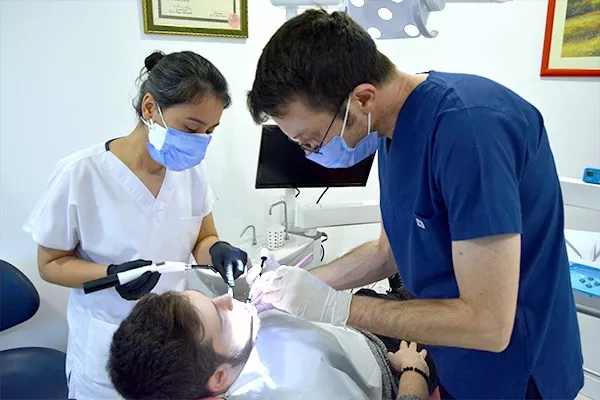
Teeth whitening in Istanbul delivers visible results when the right patient is selected. Before starting any bleaching protocol, your Citydent dentist evaluates enamel condition, existing restorations, and current gum health. Teeth whitening Istanbul at Citydent covers both in-office sessions and dentist-supervised take-home options.
Understanding your natural tooth colour guide helps set a clinically honest baseline before your appointment.
Good Candidates for Whitening
- Intact natural enamel with no active gum disease
- Extrinsic stains from coffee, tea, wine, or tobacco
- Structurally sound teeth with no untreated cavities
- Realistic expectations around shade improvement
When Whitening Is Not Advised
- Active periodontal disease or untreated decay
- Heavily restored front teeth — crowns or veneers do not whiten
- Pregnancy — bleaching is deferred until after delivery
- Severe intrinsic stains from trauma or medication history require a specialist approach
In-Clinic vs At-Home Whitening
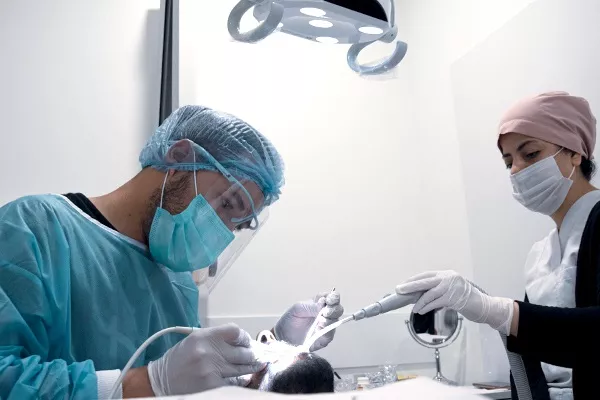
Citydent offers both in-office and dentist-supervised take-home whitening. Whether you choose in-clinic or at-home, both options are delivered under dental supervision — a key difference from over-the-counter kits.
| Factor | In-Office Whitening | Take-Home Trays |
|---|---|---|
| Session length | 60–90 minutes, single visit | 1–2 weeks, nightly/daily |
| Gel concentration | High — clinically controlled | Lower — gradual lightening |
| Result timeline | Visible same appointment | Progressive over days |
| Sensitivity risk | Managed in-clinic | Moderate — monitor at home |
| Best for | Event-driven timelines | Gradual, sensitivity-prone patients |
Many patients combine both for longer-lasting teeth whitening Turkey Istanbul results. Whitening sensitivity is common and typically resolves within 48 hours. Your dentist will advise on management at your follow-up.
What to Expect at Citydent
Treatment does not begin until your Citydent dentist has reviewed your dental history, confirmed enamel suitability, and discussed expected shade outcomes. All materials carry internationally recognised quality certifications.
- Pre-treatment examinationShade photograph and gum health check to establish your baseline.
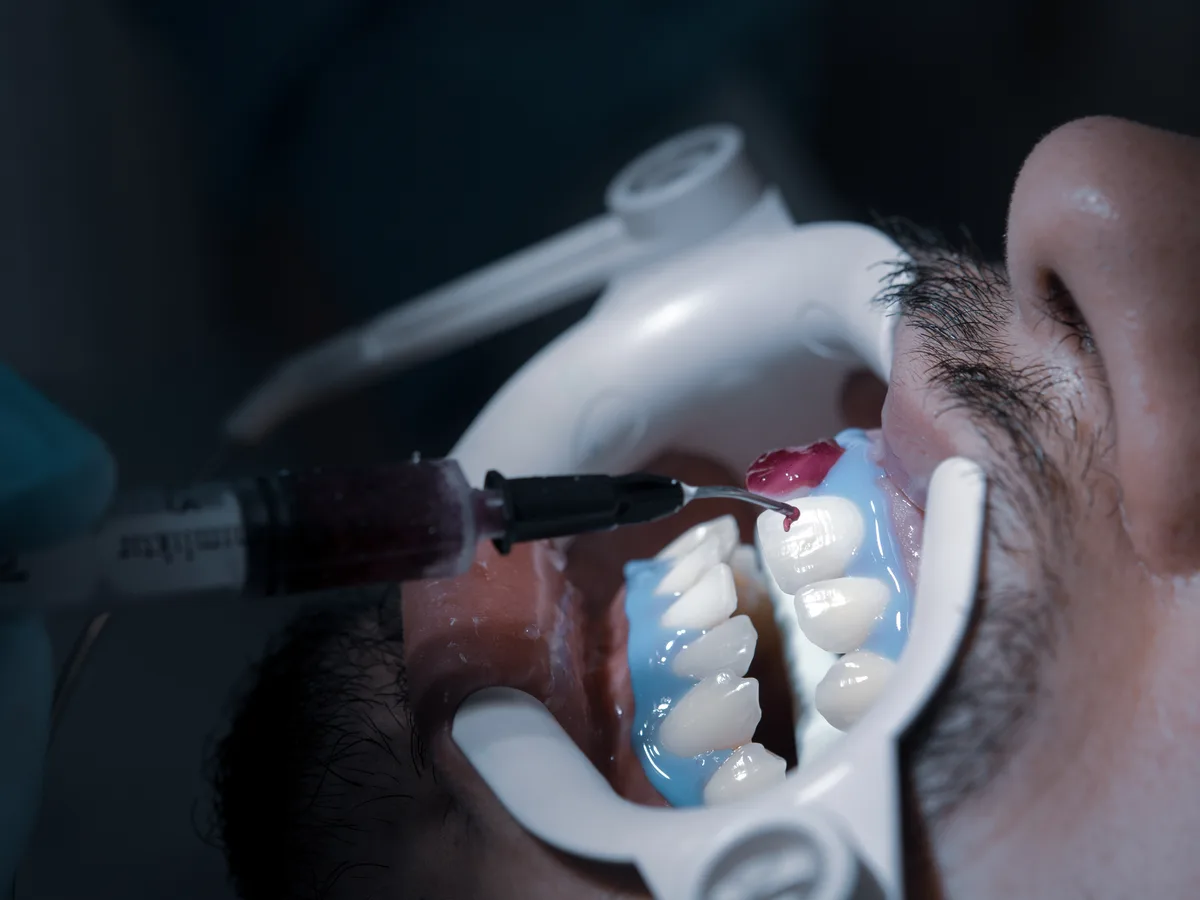
- IsolationSoft tissue barrier placed before any gel application.
- Gel applicationControlled placement, timed activation under clinical supervision.
- Post-treatment reviewShade confirmation and sensitivity assessment completed before you leave.
- Take-home instructionsWritten aftercare after teeth whitening Istanbul guidelines provided at the end of every session.
Teeth whitening side effects are typically mild — transient sensitivity to cold is the most commonly reported experience. Gum irritation is rare when a protective barrier is properly placed.
Shade Planning & Maintenance
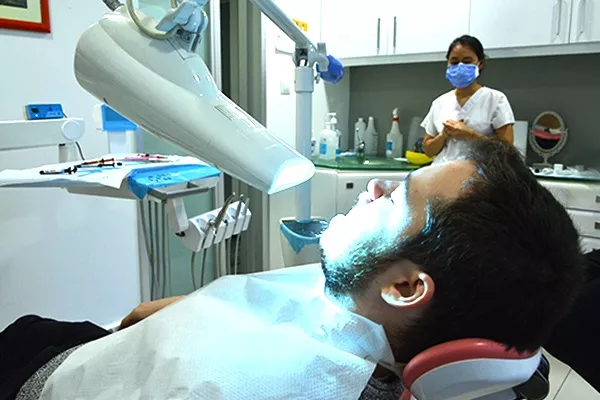
Whitening outcome is measured against a clinical shade guide at baseline and again at completion — removing subjectivity and providing a documentable record of your teeth whitening in Istanbul.
Maintenance depends on diet, oral hygiene, and lifestyle. Coffee, red wine, and tobacco accelerate restaining. Most patients maintain results for 12–24 months with appropriate care, though individual variation exists.
If you are planning veneers or crowns, whitening is scheduled first — restorations are shade-matched to the new, lighter enamel. Your dentist plans the sequence, which may include a Hollywood Smile Turkey Istanbul consultation if multiple procedures are involved.
Frequently Asked Questions
Does professional teeth whitening damage enamel?
When performed under clinical supervision, whitening does not damage healthy enamel. Approved bleaching gels are formulated within concentration limits that research supports as safe for intact enamel. Overuse of unsupervised home kits is where enamel risk increases.
How many shades can I expect to gain?
In most cases, patients gain 2–4 shades with in-office whitening. Results depend on the original shade, enamel thickness, and stain type. Intrinsic stains respond less predictably than extrinsic ones.
Will whitening work on my crowns or veneers?
Whitening agents do not alter the shade of porcelain, ceramic, or composite restorations. If you have visible restorations on front teeth, this is discussed during consultation and factored into shade planning.
Is there any downtime after in-office whitening?
There is no clinical downtime. Some patients experience sensitivity to cold for 24–48 hours. Follow the guidance on sensitivity management as recommended by your treating dentist.
How do I know if I need a professional clean before whitening?
If plaque or tartar is present, cleaning is completed first. This ensures even gel contact across all tooth surfaces. Your dentist assesses this at the pre-treatment visit.
Can teeth with a history of root canal treatment be whitened?
Teeth that have darkened internally following root canal treatment require internal bleaching — a specialist procedure. External gel is not effective for this. Your dentist will evaluate and refer where appropriate.
How long do results last?
In most cases, results are maintained for 12–24 months with appropriate oral hygiene and diet management. Regular cleaning appointments and optional top-up sessions extend longevity. Book your teeth whitening Istanbul consultation to discuss your individual timeline.
What is the difference between laser and LED whitening?
Both methods use light to activate the bleaching gel. LED whitening is more widely used due to lower heat generation and reduced post-treatment sensitivity. Your dentist selects the method that best matches your sensitivity profile.