Tooth Shape for Face Shape — A Practical Guide
At Citydent Istanbul, the question of tooth shape for face shape is one of the first decisions in any aesthetic consultation. This tooth shape guide walks through the key decisions — from understanding your facial structure to selecting the right restoration.
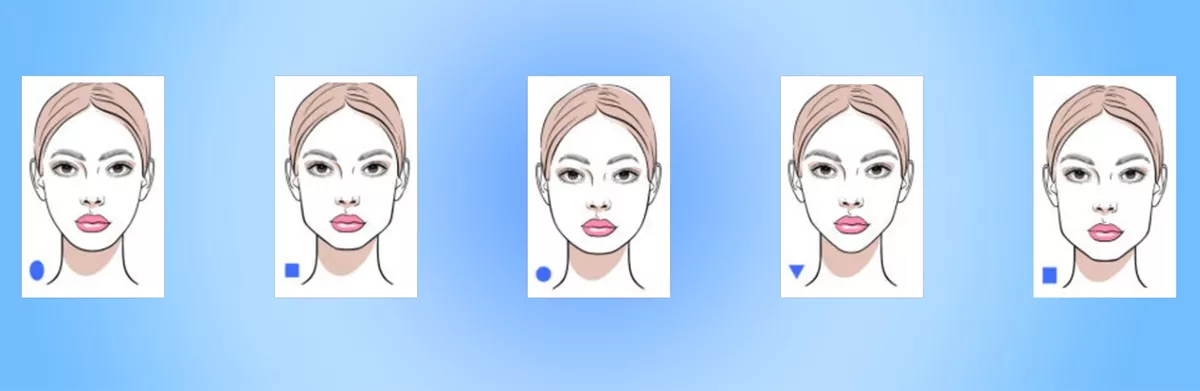
Why Face Shape Changes Everything in Smile Design
A smile does not exist in isolation. It sits within a face — shaped by the forehead, cheekbones, jaw and the way light falls across each feature. When the relationship between tooth shape for face shape is well-considered, the result looks natural and effortless. When it is not, even technically perfect teeth can feel out of place.
This is why tooth shape for face shape is not a decorative choice but a structural one. The width, length, edge profile and central-to-lateral proportion of the anterior teeth all contribute to how balanced a smile appears in context.
The dental design face shape relationship is at the core of every smile consultation we conduct. Your smile design face type assessment begins before any clinical work — it informs material selection, edge profile and overall proportion.
At dental care clinic in Istanbul, every aesthetic case begins with a facial assessment. Digital planning tools allow proportions to be measured and modelled before any preparation begins. This means the decision about tooth shape for face shape is visible and adjustable before it is permanent — giving patients the clarity to make an informed choice.
The underlying principle is straightforward: a smile designed around the right tooth shape for face shape will age with you. It will photograph naturally, look consistent across different lighting and feel like your own.
The Five Facial Types and Their Recommended Tooth Profiles
Facial structure is typically described in five broad categories. Each has characteristics that influence which tooth profile — the specific answer to tooth shape for face shape — will create the most harmonious result.
These are starting points, not fixed rules. In practice, the final answer to tooth shape for face shape is refined in conversation with the patient, incorporating personal preference alongside facial geometry.
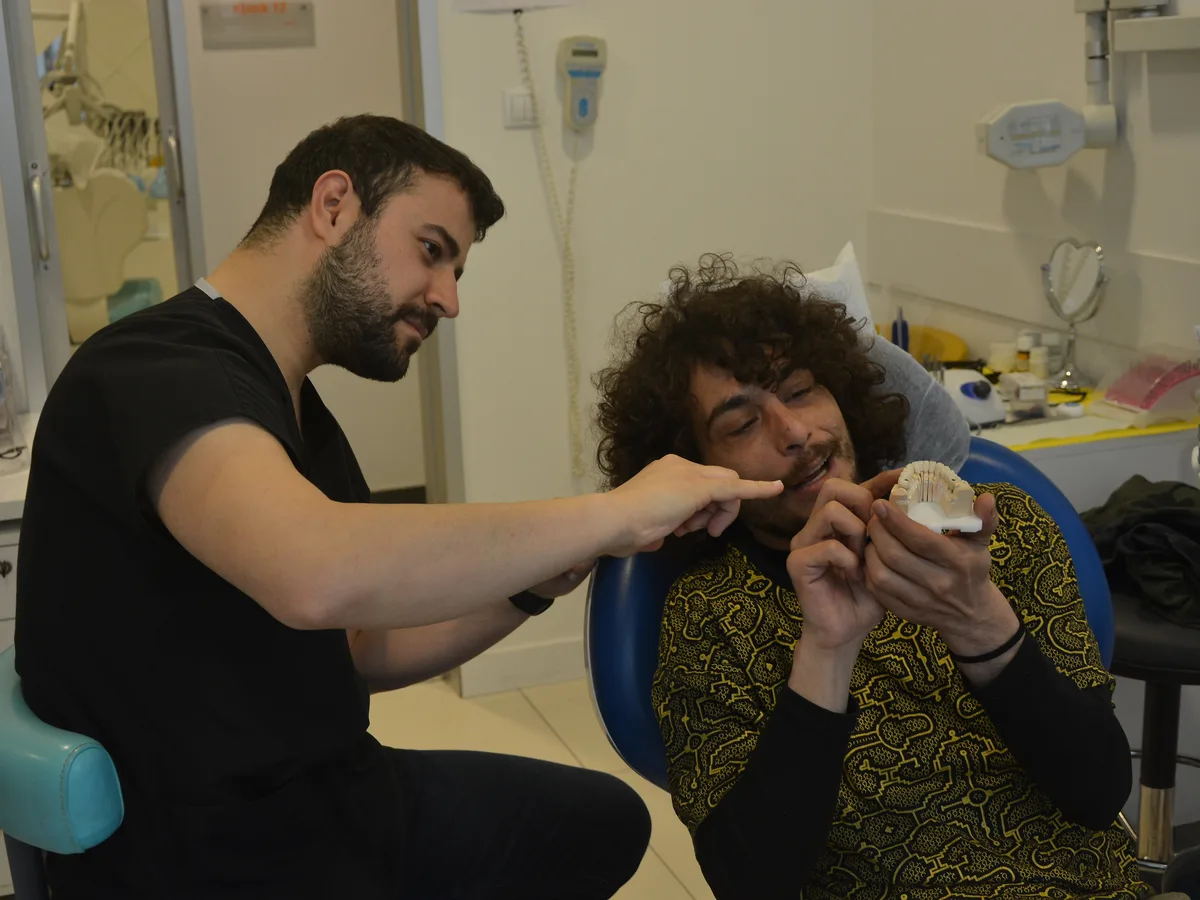
How Citydent Applies This in Practice
Smile planning at smile planning in Istanbul integrates facial analysis into the first consultation. Rather than selecting from a catalogue, the process involves digital mock-ups and wax-ups that allow patients to see a proposed smile before any irreversible steps are taken.
For patients considering veneers in Turkey, tooth shape is specified at the planning stage and confirmed with a trial mock-up. The same applies to ceramic crowns: the shade and shape are agreed before the final restoration is made.
The materials used — whether ultra-thin porcelain, multilayer zirconia or composite — each have their own aesthetic properties that interact with tooth shape. A longer, narrower shape in a translucent material reads differently from the same shape in a more opaque ceramic. This is considered at the design stage.
Our approach is to separate the decision from the procedure. Patients leave the first consultation with a clear picture of what their proposed smile looks like — and why those proportions were chosen for their face. Patients seeking professional teeth design in Istanbul will find this planning framework at the core of every aesthetic case at Citydent.
For patients who want further guidance on how colour and shape interact, our natural tooth colour for smile design page covers the complementary decision.
Which Restorations Allow Full Shape Customisation
Not every treatment offers the same degree of shape control. Understanding the options is part of making the right decision for tooth shape for face shape correction.
- Porcelain Veneers Porcelain veneers allow the most precise shape adjustment of natural teeth. Because they cover the labial surface, the shape can be defined both at the incisal edge and along the contact points. This makes them the most commonly used restoration for significant aesthetic tooth shape for face shape changes.
- Ceramic Crowns Ceramic crowns cover the full tooth, giving complete control over shape, size and angle. Where teeth are structurally compromised or where a more dramatic correction is needed, crowns may be the more appropriate path.
- Composite Bonding Composite bonding is a lower-commitment option that can adjust minor shape issues — chipped edges, small gaps, subtle length discrepancies — without preparation of the underlying tooth. Results depend on the skill of the clinician and the initial tooth geometry.
- Clear Aligners Clear aligners do not change tooth shape directly, but they alter how teeth sit within the arch. Alignment changes how a smile reads against the face. For patients exploring Invisalign treatment in Istanbul, the interaction between alignment and shape is worth discussing at consultation.
If you are planning a dental appointment in Istanbul and want to explore your options, our dental treatment page provides an overview of what a consultation at Citydent involves.