After Teeth Whitening
After Teeth Whitening Care: What to Do and Avoid
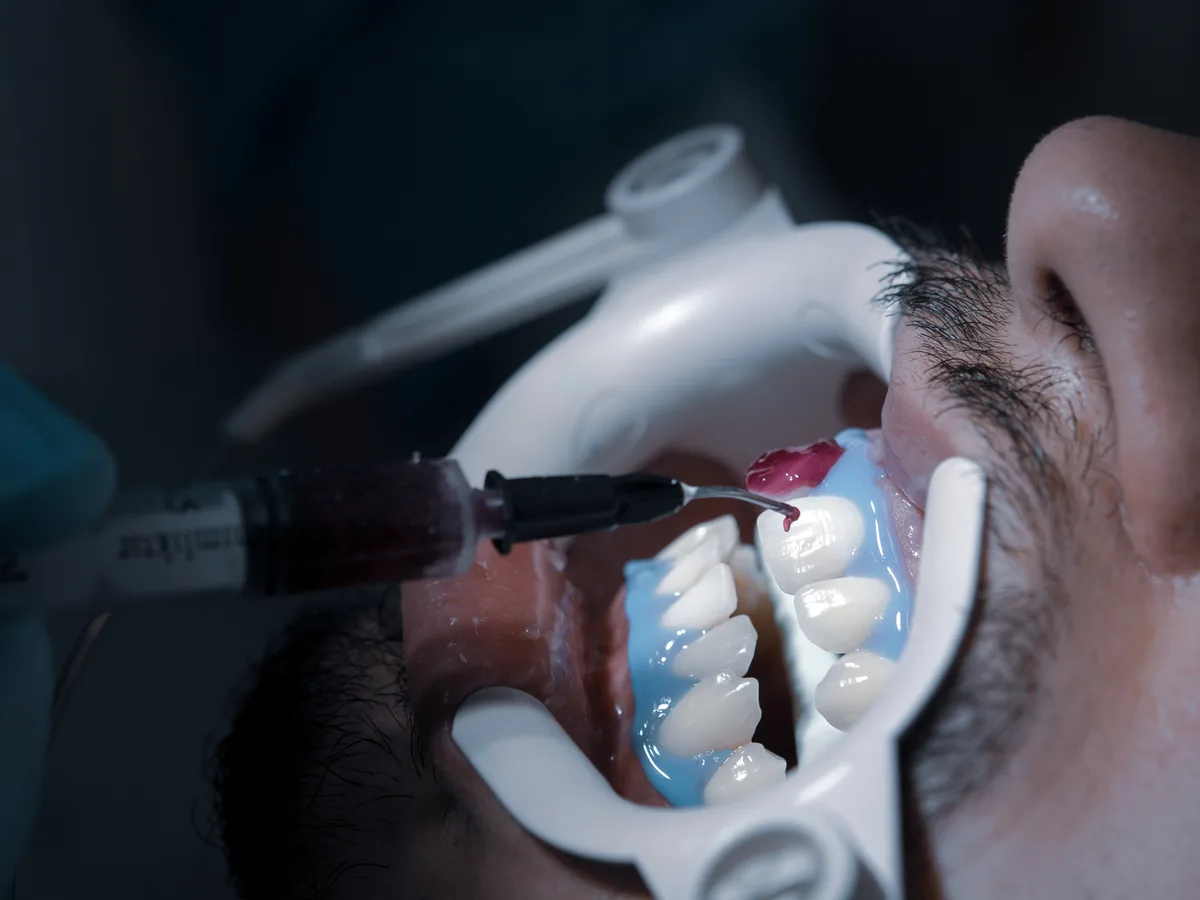
After teeth whitening, the enamel surface temporarily becomes more porous and reactive. Proper after teeth whitening care begins immediately — what you eat, drink, and how you care for your mouth in the hours that follow will directly influence how long your results last.
Why It Matters
The most sensitive window is the first 48 hours. During this period, chromogenic compounds — the pigment-carrying molecules found in certain foods and beverages — can penetrate enamel more easily than usual. Following a consistent after teeth whitening care routine during this window is the most effective way to protect your investment in treatment.
This guide covers the key rules for the first 48 hours, what changes after that window, and how to apply after teeth whitening care over the longer term.
First 48 Hours
What to Avoid in the First 48 Hours After Teeth Whitening
Smoking After Teeth Whitening
Smoking — including cigarettes, e-cigarettes, and shisha — should be avoided for at least 48 hours following treatment.
The tar and nicotine compounds present in tobacco smoke can rapidly penetrate enamel while it is in its temporarily porous state, causing new discolouration within hours. If smoking cannot be avoided entirely, rinse your mouth thoroughly with water immediately afterward.
Foods to Avoid After Teeth Whitening
Following a white diet during the first 48 hours is the most practical approach. The core principle of after teeth whitening care here is simple: if a food would visibly stain a white cotton shirt, avoid it during this period.
Foods suitable for the first 48 hours include plain rice, pasta, yogurt, chicken, eggs, white bread, boiled potatoes, and peeled apple. These are low in pigmentation and gentle on sensitive enamel.
Foods to avoid in the first 48 hours:
- Tomato-based sauces and dark condiments including soy sauce, balsamic glaze, barbecue sauce, and teriyaki
- Dark-coloured fruits such as blueberries, blackberries, raspberries, grapes, cherries, pomegranates, and beetroot
- Deep green and purple vegetables including spinach, kale, red cabbage, and eggplant
- Chocolate, cocoa-based foods, and dark-coloured desserts
- Heavily spiced dishes containing curry powder, turmeric, paprika, or saffron
Lukewarm and soft textures are preferable during this window. Temperature extremes can increase sensitivity in freshly treated teeth.
Drinks to Avoid After Teeth Whitening
Beverages carry pigment and acidity directly across the full enamel surface. During the first 48 hours of your after teeth whitening care routine, the following should be avoided or minimised:
- Coffee and black tea — among the most potent staining beverages; wait at least 48–72 hours before reintroducing
- Red wine, dark beer, and spirits with deep colour including stout and port
- Fruit juices with high pigment content: grape juice, cranberry juice, pomegranate juice, and beetroot-based juices
- Cola and dark carbonated drinks
- Matcha and green tea — tannins stain enamel readily even when the colour appears light
Still water, coconut water, and plain milk at room temperature are the safest choices. If mildly staining beverages must be consumed, using a straw reduces contact with the tooth surface.
Oral Hygiene in the First 48 Hours
Brush gently using a soft-bristle toothbrush and standard fluoride toothpaste twice daily. Avoid abrasive whitening toothpastes during the first week. Skip alcohol-based mouthwashes and consider a plain water rinse or a dentist-approved sensitive-formula rinse instead.
If you experience sensitivity during brushing, notify your treating dentist. Your dentist can advise on appropriate products as part of your ongoing after teeth whitening care.
Long-Term Maintenance
Maintaining Your Results After the First 48 Hours
After teeth whitening care does not end at the 48-hour mark. Once this initial window has passed, the enamel begins to restabilise and the heightened vulnerability period comes to an end.
A wider range of foods and drinks can be gradually reintroduced, but certain habits will still determine how long your laser whitening Istanbul results hold.
Habits That Affect Whitening Longevity
Smoking, frequent consumption of coffee or black tea, and irregular oral hygiene are the three factors most commonly associated with faster re-staining. None need to be eliminated permanently, but awareness of their cumulative effect helps you make more informed choices.
Rinsing with water after staining foods or drinks and waiting 30–60 minutes before brushing are two simple habits that meaningfully reduce pigment accumulation on the enamel surface.
When to Expect Sensitivity to Fade
Temporary sensitivity following whitening treatment is a normal clinical response. It typically resolves within 24–72 hours in most patients. The exact duration varies depending on the whitening method, the initial enamel condition, and individual sensitivity thresholds. If sensitivity persists beyond 72 hours or increases rather than diminishes, contact your treating dentist for guidance.
How Often Can You Repeat Whitening Treatment?
The appropriate frequency for repeat whitening varies depending on the method — in-clinic laser whitening, take-home tray whitening, or a combination protocol. Your treating dentist at Citydent Istanbul will advise on a schedule suited to your enamel health and your aesthetic goals. Repeating whitening without clinical guidance can result in unnecessary sensitivity or enamel wear.
For patients planning to proceed with veneers Turkey Istanbul after whitening, the treatment should be fully completed and the post-whitening rest period observed before shade-matching begins.
Citydent Istanbul
After Teeth Whitening Care at Citydent Istanbul
After teeth whitening care guidance is provided to all patients at dental clinic Istanbul as part of the treatment process. The protocol is tailored to the specific method used and takes into account any individual sensitivity concerns noted during your appointment.
If you received laser whitening Istanbul at our clinic, your post-treatment instructions will reflect the intensity and duration of the session. Take-home whitening tray patients receive written guidelines covering tray maintenance, wear schedule, and dietary recommendations.
Patients who experience prolonged or unusual sensitivity after treatment are encouraged to get in touch with our team so that the dentist can assess the response and advise accordingly.
For a full overview of reactions patients may encounter, including whitening side effects Istanbul patients commonly ask about, we have a dedicated guide covering staining patterns, sensitivity causes, and when to seek clinical review.
Patient Questions
Frequently Asked Questions — After Teeth Whitening
Can I chew gum after teeth whitening?
Chewing gum is permitted after teeth whitening, but the type matters. During the first 48 hours, choose colourless, sugar-free varieties without artificial dyes. Brightly coloured gum — particularly red, blue, or purple varieties — contains synthetic pigments that can adhere to temporarily porous enamel. If you need to freshen your breath, a plain white or clear gum is the safest option. Rinse your mouth with water afterward.
Can I eat fruit after teeth whitening?
During the first 48 hours, avoid berries, grapes, pomegranates, and cherries due to their high natural pigmentation. Peeled apple and banana are safer alternatives. Acidic fruits such as oranges or pineapple may temporarily increase enamel sensitivity even if they are not deeply pigmented.
Can I drink coffee after teeth whitening?
Coffee is one of the most staining beverages and is best avoided for at least 48–72 hours following treatment. The combination of dark pigments and acidity makes it particularly penetrating on temporarily porous enamel. When you reintroduce coffee, lighter roasts, using a straw, and rinsing with water afterward all help to limit the impact on your whitening results.
Can I drink tea after teeth whitening?
All tea varieties — including green and herbal tea — should be avoided for the first 48 hours. Even teas that appear light in colour contain tannins that stain enamel readily during the sensitive post-whitening window. If you drink tea later in the week, use a straw and rinse your mouth with water after each cup.
Can I eat chocolate after teeth whitening?
Chocolate, particularly dark varieties, contains strong chromogenic compounds that penetrate porous enamel quickly. Avoid all forms of chocolate — including chocolate milk, chocolate ice cream, and cocoa-based drinks — for at least the first 48 hours. If consumed later in the week, rinse promptly and brush gently after 30 minutes.
Can I drink milk after teeth whitening?
Plain milk is one of the safest drinks to consume during the first 48 hours of after teeth whitening care. It is light in colour, low in acidity, and will not stain or irritate sensitive enamel. Cold or room-temperature milk can also help soothe mild sensitivity following treatment. Avoid flavoured or chocolate milk, which may contain pigments or added sugars.
Can I eat sweets after teeth whitening?
Sweets with artificial colouring — including brightly coloured candies, frosted cakes, and dyed chewing gum — should be avoided during the first 48 hours. Even if a dessert appears light in colour, hidden synthetic dyes can cause surface discolouration on freshly whitened enamel. Plain, soft options such as vanilla yogurt or plain rice cakes are suitable alternatives during this period.
Does beer stain teeth after whitening?
Darker beer varieties — including stout, porter, and amber ale — contain pigments that can stain temporarily porous enamel within the first 48 hours. Lighter, filtered beer carries lower staining risk but some acidity remains. If you plan to drink beer, waiting at least two days and choosing pale or filtered varieties reduces the risk of discolouration.
Do black beans stain teeth after whitening?
Black beans contain dense natural pigments and are best avoided in the first 48 hours when enamel is more absorptive. If consumed later in the week, eat them plain and rinse your mouth with water immediately afterward. Avoid black bean dishes prepared with dark sauces such as soy, hoisin, or mole, which significantly increase staining potential.
Can I eat broccoli after teeth whitening?
Plain, lightly steamed broccoli is generally safe after 48 hours. During the first 48 hours, however, even mildly pigmented vegetables can leave residue on porous enamel. Avoid broccoli prepared with spiced sauces, soy, curry, or turmeric. If your teeth remain sensitive, steaming softens the texture and reduces discomfort. Always rinse your mouth with water after eating.