Multilayer Zirconia Istanbul
Multilayer Zirconia
Crowns Istanbul
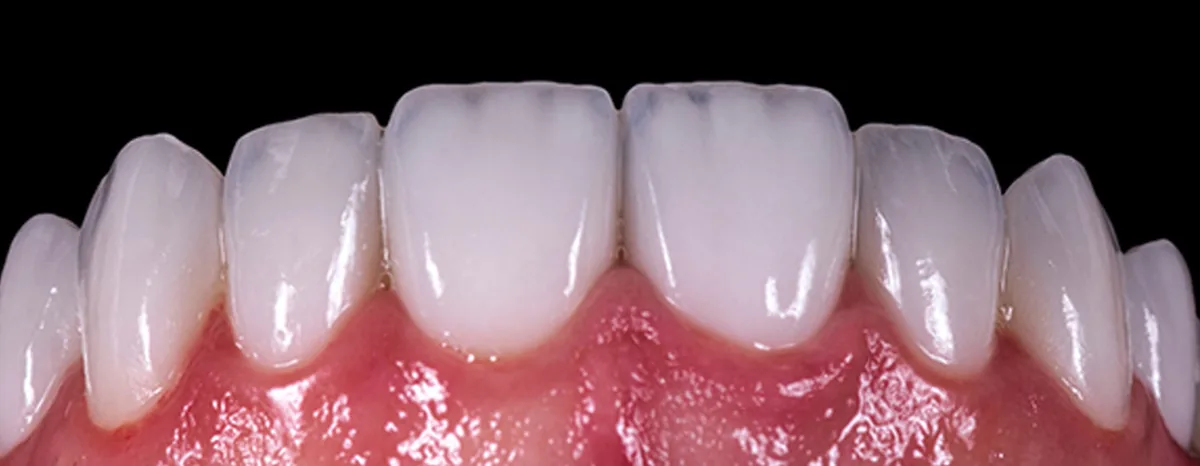
Multilayer zirconia combines dentin-like opacity at the base with enamel-like translucency at the tip — giving front teeth a gradient that closely matches how natural enamel catches light. Our in-house lab mills each crown to your confirmed shade and bite profile.
Is This Right for You?
Is Multilayer Zirconia the Right Crown for You?
Not every case needs multilayer zirconia — and knowing when it fits helps you avoid paying for more than you need.
The Material
What Makes Multilayer Zirconia Different
Conventional zirconia is uniform throughout — strong, but optically flat. Multilayer zirconia is milled from a pre-shaded block where each layer transitions from a more opaque base (replicating dentin) to a translucent tip (replicating enamel). The result is a crown that responds to light the way a natural tooth does, rather than reflecting it as a single flat plane.
At CityDent Istanbul, we work with CAD/CAM-milled multilayer blocks in a range of standard shades. Shade matching is done in-house before milling begins.
Layered Structure
Each block contains gradients baked into the material during manufacture — not painted on after milling. This means the colour transition is stable over time and cannot be worn away by normal use.
Translucency Gradient
The incisal (tip) layer achieves translucency levels comparable to natural enamel. In anterior restorations, this removes the tell-tale flat-white appearance that older full-contour zirconia crowns were known for. Because the gradient is built into the block itself, each crown has a consistent visual depth — not a surface coating that thins with time or polishing.
Shade selection for multilayer zirconia requires more attention than for monolithic options. The block shade must account for how the underlying tooth structure and cement layer interact with the gradient. At CityDent, this selection is made at the start of treatment — before any tooth preparation — so the result matches your adjacent teeth under natural light, not just clinical lighting. The in-house lab receives the shade reference directly, without it passing through an external courier system where context can be lost.
Material Guide
Multilayer vs Monolithic vs Emax — A Clear Comparison
| Multilayer Zirconia | Monolithic Zirconia | Emax (Lithium Disilicate) | |
|---|---|---|---|
| Strength | Very high | Highest | High (lower than zirconia) |
| Translucency | High — graded across layers | Low–Medium — uniform | Very high |
| Best zone | Anterior / visible smile | Posterior / high-load | Anterior / veneers |
| Chip risk | None (single material) | None | Low (but higher than zirconia) |
| Shade flexibility | Good | Limited | Excellent |
For patients replacing multiple front teeth or seeking the most natural appearance within a zirconia option, multilayer is the more appropriate choice. For premolars and molars under heavy occlusal load, monolithic zirconia Istanbul remains the standard at CityDent. For a full overview, see our guide to ceramic crowns Istanbul.
Emax is sometimes chosen for single anterior crowns where maximum translucency is the priority and occlusal load is light. Its flexural strength is lower than zirconia, which makes it less suitable when there is lateral stress on the crown or when the case involves bruxism. For most full-smile or multi-unit anterior cases at CityDent Istanbul, multilayer zirconia is the material that balances aesthetics and long-term durability without requiring the compromises that come with Emax in higher-stress positions.
Who Benefits Most
Who Benefits Most from Multilayer Zirconia
Front Teeth Cases
Multilayer zirconia is most commonly chosen for upper front teeth where visibility and aesthetic demand is highest. The layered translucency avoids the chalky appearance of older zirconia materials in this position. Because the gradient mimics the natural dentin-to-enamel transition, the crown integrates visually with adjacent natural teeth rather than sitting as a distinct bright object in the smile line.
Visible Smile Zone
For patients planning a full-smile restoration, multilayer zirconia allows crowns to blend visually with natural teeth or veneers in the same arch — particularly when adjacent teeth are lighter, more translucent shades. In cases where multiple units are placed across the anterior zone, having a consistent layered material prevents the mismatched appearance that can occur when different crown types sit side by side.
When to Consider Monolithic Instead
If your case involves posterior teeth under heavy bite load, or if you grind your teeth at night, your dentist will typically recommend monolithic zirconia — greater fracture resistance for those conditions. The final decision is made at your in-person consultation after examining your bite, jaw movement, and existing tooth structure. Neither material is universally better; the position and load determine which is appropriate.
The Process
How We Make Your Crown at CityDent Istanbul
Shade & Shape Planning
Before any preparation work, your dentist records your current shade using a standardised shade guide and photographs the adjacent teeth in natural light. This reference is passed directly to our in-house lab — no external courier, no lost shade data. Where the case involves multiple units, mock-up photographs are also used to confirm the intended incisal edge position and gum-line relationship before the first drill.
In-House Milling
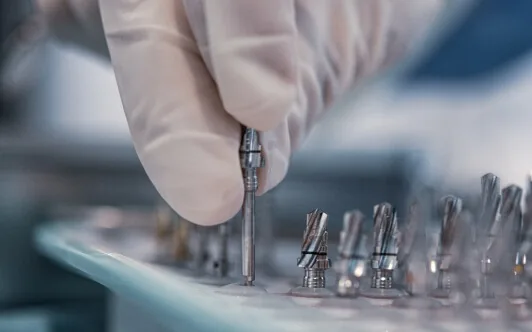
Our CAD/CAM milling unit produces the crown from your chosen multilayer block. Because the lab is in the same building, fit adjustments can be made the same day without sending a physical impression to an external address. The digital design file is checked against the shade reference before milling begins, so the gradient alignment is confirmed before the block is cut.
Fitting & Final Approval
At the fitting appointment, your dentist checks the margin fit, occlusion, and shade match before bonding. You are shown the crown in natural light and given the opportunity to approve the result before it is permanently cemented. If any adjustment is needed — to the contact points, bite, or surface polish — it is carried out at the same visit. Only after your approval is the crown permanently cemented.

You can explore fixed zirconia prosthesis options Istanbul or arrange dental treatment Istanbul with a free consultation.
Frequently Asked Questions
Common Questions About Multilayer Zirconia
What is multilayer zirconia?
Multilayer zirconia is a type of zirconium oxide dental crown made from a block that contains graduated colour and translucency layers — moving from an opaque, dentin-coloured base to a more translucent tip that mimics natural enamel. It is milled as a single solid unit, with no separate porcelain overlay.
What is the difference between multilayer and monolithic zirconia?
Monolithic zirconia is a uniform single-shade block — very strong, but optically flat. Multilayer zirconia contains a built-in colour gradient. Monolithic is typically preferred for back teeth; multilayer for front teeth or cases where shade blending is important.
Is multilayer zirconia strong enough for back teeth?
Multilayer zirconia has very high flexural strength and can be used on posterior teeth. However, for patients with bruxism or heavy bite load, monolithic zirconia is the more conservative choice. Your dentist will advise based on your specific bite profile at consultation.
How long do multilayer zirconia crowns last?
Zirconia crowns in general are considered long-term restorations. Longevity depends on oral hygiene, bite load, and whether the crown was correctly fitted to the margin. At CityDent, every crown undergoes a fitting check before permanent cementation.
Does multilayer zirconia look natural?
For front teeth, multilayer zirconia is the closest-looking option within the zirconia family. The translucency gradient means the crown responds to light similarly to a natural tooth, rather than appearing as a flat, bright white block. Shade is matched in-house before milling.
Is translucent zirconia better than regular zirconia?
"Better" depends on position. Translucent (multilayer) zirconia is better for anterior aesthetics. Regular (monolithic) zirconia is stronger for posterior load. Neither is universally superior — the choice depends on where the crown is placed and the patient's bite.
How many appointments does a multilayer zirconia crown require?
Most cases at CityDent Istanbul are completed in two appointments: one for tooth preparation, shade recording, and digital impression, and a second for fitting and cementation. Because our lab is in-house, the time between appointments is shorter than with external labs. Complex cases involving multiple units or significant bite adjustments may require an additional try-in visit. Your dentist will confirm the appointment plan at the initial consultation.
Ready to See If Multilayer Zirconia Is Right for You?
Book a free consultation at CityDent Istanbul. Our in-house lab means your shade is matched and your crown is milled under one roof — no guesswork, no delays.